
Reviewed · MUSEUMS
Brussels: Musical Instruments Museum Entry Ticket
The oldest preserved saxophone in the world, African slit drums, electronic instruments, and elegant Western keyboards all share four floors at Brussels Musical Instruments Museum. The collection is broad, but the 300 included sound clips give it a pulse. You do not just look at instruments behind glass. You hear many of them in use.
I like the audio system best. It turns a quiet museum visit into a listening session, and one particularly good clip can make you want to move along with the music. I also like the building itself, the Art Nouveau Old England building on the Mont des Arts, where the ironwork and curved details are part of the visit.
The main drawback is that not every instrument has an audio example, so the listening experience is uneven. Also, the museum restaurant is closed for renovation, and a concert in the neoclassical hall requires a separate ticket.
In This Review
- Key Points
- Four Floors of Music at Mont des Arts
- How the Multimedia Audio Changes the Visit
- European Instruments and the Oldest Preserved Saxophone
- Keyboards, Global Traditions, and Electronic Sound
- The Old England Building Is Part of the Ticket
- Allow Two Hours, or Stay Longer for Music
- What the $17 Ticket Delivers
- Who Will Enjoy This Museum Most
- Practical Tips for a Better Visit
- Should You Book the Musical Instruments Museum?
- FAQ
- Where is the Musical Instruments Museum located?
- How much does admission cost?
- How long is the ticket valid?
- Is the museum visit self-guided?
- Which audio guide languages are available?
- How many sound clips can I hear?
- Is a concert included with museum admission?
- Is the museum wheelchair accessible?
- Can I bring oversize luggage?
- Can I use flash photography?
- Is the museum restaurant open?
- Can I cancel the ticket?
Key Points
- 300 sound clips included: Use the museum multimedia device to hear examples in English, Dutch, or French.
- Four floors of instruments: See European instruments, keyboards, world traditions, and electronic music in one visit.
- The oldest preserved saxophone: A rare object that gives the collection a strong Brussels connection.
- Art Nouveau setting: The Old England building is an attraction in its own right on the Mont des Arts.
- One-day flexibility: Plan a visit of about two hours, or stay longer if you want to listen carefully.
- Concerts cost extra: You may be able to attend world-class music in the neoclassical hall, but entry is not part of this ticket.
Four Floors of Music at Mont des Arts
The Musical Instruments Museum sits on Brussels’ famous Mont des Arts, a central cultural area known for museums and formal city views. Your visit begins before the first display, since the museum occupies the Old England building, an Art Nouveau landmark with intricate architectural details.
I would allow about two hours for a solid visit. That gives you time to move through the major collections and listen to a useful selection of recordings without rushing. Music lovers can easily stay longer, especially if you stop for several clips in each section.
The ticket is valid for one day, rather than for a fixed guided time. That matters in Brussels, where a museum visit often needs to fit between a walk through the historic center, lunch, and another sight. You can check availability for the applicable starting times, then plan the museum around the rest of your day.
The ticket also lets you skip the ticket line. Keep your QR code ready at the entrance. A useful practical tip is to scan it there instead of heading to the ticket office. If staff misunderstand the ticket and direct you elsewhere, showing the QR code at the entrance should help clarify that it is a museum entry ticket.
A few more Belgium trips to weigh up
- Brussels: Atomium Entry Ticket with Design Museum Ticket
★ 4.4 · 9,254 reviews - Choco-Story Brussels: Chocolate Museum Entrance with Tasting
★ 4.3 · 4,883 reviews - Bruges: Choco-Story Chocolate Museum Guided Tour w/Tastings
★ 4.2 · 1,379 reviews
How the Multimedia Audio Changes the Visit
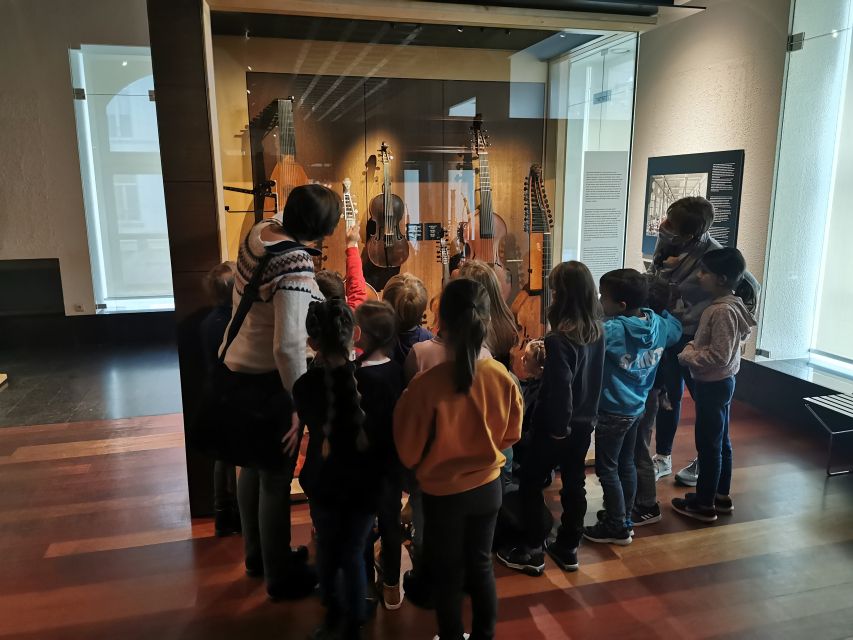
The museum provides an audio guide through a multimedia device, with English, Dutch, and French available. The key feature is not simply spoken explanation. You can listen to almost 300 pieces of music and sound clips connected to the instruments on display.
That makes a big difference. A violin, drum, keyboard, or saxophone can look familiar when silent. Once you hear its tone, its shape makes more sense. The sound helps you connect the object with its purpose, setting, and musical character.
I would not try to listen to every clip. That could turn a two-hour visit into a much longer stop and leave you with tired ears. Instead, choose a few instruments in each room, then use the clips to compare sounds and styles.
The system is not perfectly consistent. Some instruments have listening examples and others do not. If you are visiting mainly for interactive audio, this is worth knowing in advance. You will get plenty of listening material, but you should not expect every case to come with a recording.
The audio is especially useful if you are not trained in music. You do not need to know technical terms to notice differences in pitch, rhythm, construction, or volume. If you already play an instrument, the sound samples may be the main reason to linger.
European Instruments and the Oldest Preserved Saxophone
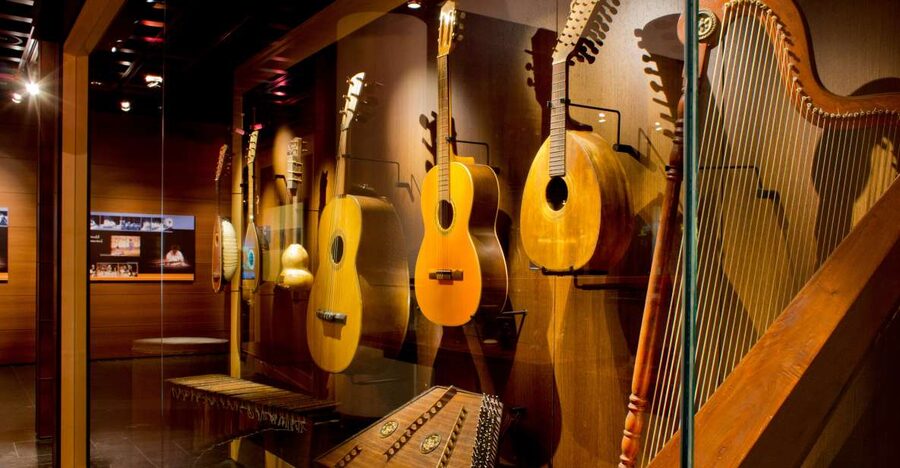
One section presents the development of musical instruments in Europe. This gives you a useful path through changing designs instead of presenting a long series of unrelated cases.
The oldest preserved saxophone in the world is one of the museum’s most memorable objects. It adds a clear sense of discovery to the visit. The saxophone is strongly associated with modern music, yet this early surviving example reminds you that instruments have their own stories of invention, testing, and change.
You can use the audio device to hear how some European instruments sound. That is important here, since the display cases alone cannot show why a particular shape or mechanism mattered. The sound clips turn the section from a technical collection into something you can experience with your ears.
Do not rush through the European displays in search of only famous names. Smaller objects can show how musicians solved practical problems, changed the range of an instrument, or adjusted its sound. The museum is most rewarding when you give yourself time to look at construction details and then listen.
Keyboards, Global Traditions, and Electronic Sound
The keyboard collection offers a different pace. Keyboards are easy to recognize, but their size, design, and internal workings can vary greatly. The collection lets you see how keyboard instruments fit into European music and how their forms developed over time.
The world instruments room broadens the visit beyond European traditions. You can see instruments from many parts of the world, including African slit drums. This section is valuable because it presents music as a human activity with many forms, materials, and uses.
A slit drum may look simple compared with an ornate keyboard, but its sound and design show how a basic object can become a serious musical tool. The audio examples help you understand that an instrument’s importance does not depend on expensive materials or elaborate decoration.
The electronic instruments exhibit brings the story into a more modern period. It creates a useful contrast with the older displays. After seeing instruments built from wood, metal, and stretched materials, you encounter objects linked to electronic sound and newer ways of making music.
This range is one of the museum’s best features. You can move from traditional instruments to European keyboards and then to electronic music without leaving the building. The collection suits a mixed group because different people can follow different interests.
Same old town, a completely different kind of day:
- From Brussels: Guided Day Trip to Bruges and Ghent
★ 4.6 · 8,353 reviews - From Brussels: Bruges & Ghent Day Tour – 2 Fairytale Cities
★ 4.7 · 8,242 reviews - Ghent: 50-Minute Medieval Center Guided Boat Trip
★ 4.5 · 5,637 reviews - Bruges and Ghent – Belgium’s Fairytale Cities – from Brussels
★ 4.0 · 4,809 reviews
The Old England Building Is Part of the Ticket
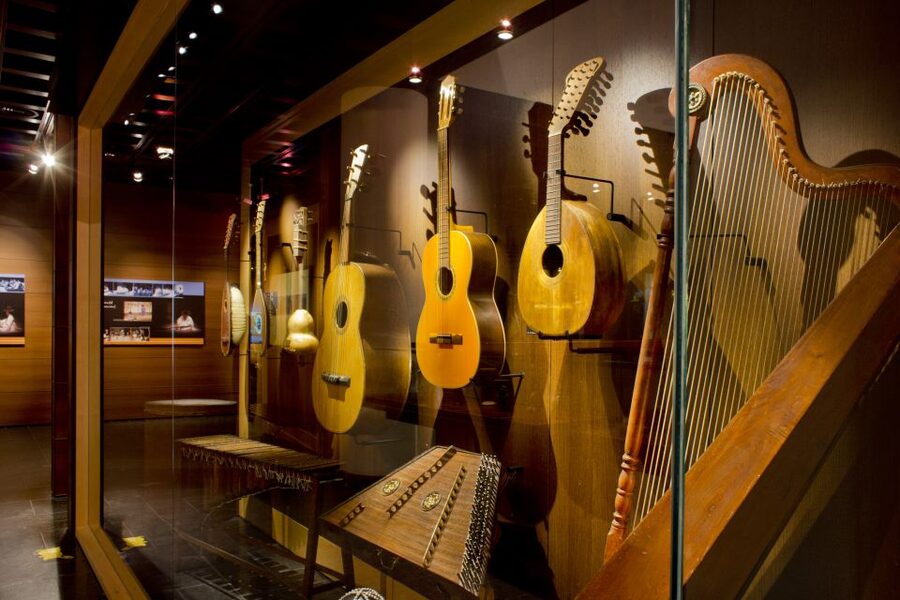
The Art Nouveau architecture deserves real attention. The Old England building has intricate details that make the museum feel more distinctive than a plain exhibition hall.
Look up as you move between displays. The building’s ironwork and decorative style frame the collection and give the visit a visual rhythm. The museum is not only about what sits inside glass cases. Its setting provides a second subject, especially if you enjoy Brussels architecture.
The location on the Mont des Arts also makes the museum easy to pair with other central sights. You can treat it as a focused museum stop or as part of a wider walk through Brussels’ cultural center. Since the ticket is valid for one day, you have some freedom in how you arrange that day.
The architecture can also slow your progress in a good way. If you are not a serious music fan, the building gives you another reason to visit. If you are a serious music fan, it adds character to what could otherwise feel like a very large collection.
Allow Two Hours, or Stay Longer for Music
About two hours is a sensible target for a normal visit. You can see the major collections, listen to a good number of clips, and appreciate the building without turning the museum into an all-day project.
You should plan more time if you want to listen carefully. The audio clips are a central part of the experience, and stopping at each interesting display takes longer than simply walking through rooms.
The one-day validity is helpful for travelers who dislike rigid schedules. You can check the available starting times, enter during the valid period, and set your own pace inside. This is not a timed group tour, so you are not being hurried from room to room by a guide.
The museum is wheelchair accessible. Oversize luggage is not allowed, so travel light and leave large bags elsewhere. Flash photography is also prohibited. You can take in the architecture and displays, but use the camera without flash.
The restaurant is currently closed for renovation. Plan to eat before or after the museum rather than counting on a meal inside. This is a small inconvenience, but it matters if you hoped to make the museum a long midday stop.
What the $17 Ticket Delivers
At about $17 per person, the ticket is reasonably priced for a central Brussels museum with four floors of exhibits and an included multimedia device. The value depends on how actively you use the audio system.
If you walk through quickly and listen to only a few clips, the price is still fair for the collection and building, but less compelling than it is for someone who wants to hear many instruments. Music students, players, and visitors with a strong interest in sound will likely get the most from the ticket.
The audio guide is included rather than sold as an extra. That is important, since the sound clips are not a minor add-on. They are one of the main tools that make the collection understandable.
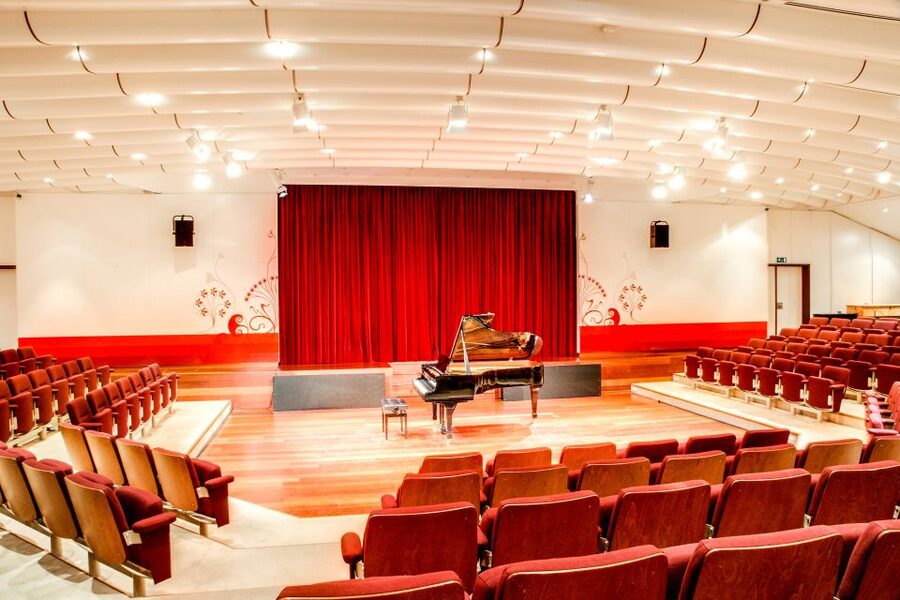
The ticket does not include a concert. The museum’s neoclassical concert hall hosts live performances, including world-class music, but you need a separate concert ticket. If a performance is scheduled during your visit, consider it an optional second activity, not part of the admission price.
The free cancellation option, available up to 24 hours before the visit, gives you some protection if your Brussels plans change. You can also reserve now and pay later, which helps if you are arranging several activities before your trip.
Who Will Enjoy This Museum Most
I would recommend this experience first to people who enjoy music, design, or unusual objects. You do not need to play an instrument, but curiosity helps. The museum rewards you when you stop to listen instead of treating the displays as a quick visual checklist.
It also works well for a mixed-interest group. One person can focus on keyboards, another can explore world instruments, and someone else can pay attention to Art Nouveau details. The four-floor layout gives everyone room to follow a preferred subject.
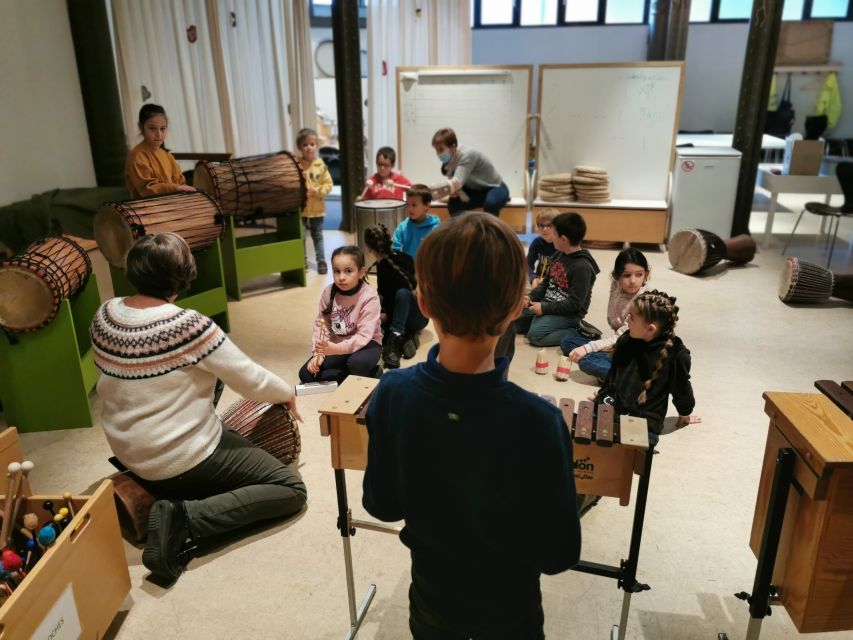
Families may find the sound clips more engaging than a silent museum display, though the supplied information does not specify children’s programming or hands-on activities. I would choose it for a family only if the children are comfortable with a museum visit and interested in hearing different kinds of music.
The museum is less suitable if you want a short, highly guided tour with a person explaining every room. The included audio device provides support, but this remains a self-guided visit. You set the pace and choose what deserves your attention.
It is also not the best choice if you need a museum restaurant break. With the restaurant closed for renovation, you will need to arrange food outside the building.
Practical Tips for a Better Visit
Bring headphones if the museum’s multimedia setup requires or allows them, but the supplied information only confirms that the audio device is included. The safest plan is to rely on the equipment provided at entry and ask staff if you have a particular listening preference.
Keep your booking QR code easy to reach. Scan it at the museum entrance, and do not assume you need to exchange it at a tourist office. This simple step can save time and avoid confusion.
Start with the sections that interest you most. If saxophones are your priority, seek out the oldest preserved example early. If you want a broad overview, begin with European instruments, then move to keyboards, world traditions, and electronic instruments.
Use the museum’s central highlights as anchors, but leave room for surprises. A collection this broad can be tiring if you try to inspect every case equally. I find it more rewarding to choose a handful of objects, read carefully, and listen to their clips.
Check for concert times before you arrive if live music appeals to you. Concert entry is separate, so confirm the performance details and ticket cost rather than assuming the museum admission covers it.
Should You Book the Musical Instruments Museum?
Book this ticket if you want a flexible Brussels museum visit with real sound, not just rows of silent objects. The included 300 audio clips, the four-floor collection, and the Art Nouveau Old England building give you three strong reasons to go.
I would especially choose it for musicians, music fans, architecture lovers, and anyone looking for a two-hour indoor activity in central Brussels. At $17, it offers solid value when you take time with the listening device.
Skip it if you want a short stop, a fully guided tour, or a meal on site. Also keep your expectations realistic: not every instrument has a sound clip, and concerts cost extra. For the right visitor, though, this is one of Brussels’ more memorable museum choices because it lets you hear the collection as well as see it.
FAQ
Where is the Musical Instruments Museum located?
The museum is on the Mont des Arts, or Hill of the Arts, in Brussels, Belgium. It is housed in the Art Nouveau Old England building.
How much does admission cost?
The entry ticket costs about $17 per person.
How long is the ticket valid?
The ticket is valid for one day. Check availability for the applicable starting times.
Is the museum visit self-guided?
Yes. The ticket includes a multimedia audio guide, so you can explore the four floors at your own pace.
Which audio guide languages are available?
The included audio guide is available in English, Dutch, and French.
How many sound clips can I hear?
The multimedia device includes almost 300 sound clips connected to musical pieces and instruments in the museum.
Is a concert included with museum admission?
No. Concert tickets are not included. You need a separate ticket for performances in the museum’s neoclassical concert hall.
Is the museum wheelchair accessible?
Yes. The museum is wheelchair accessible.
Can I bring oversize luggage?
No. Oversize luggage is not allowed inside the museum.
Can I use flash photography?
No. Flash photography is not allowed.
Is the museum restaurant open?
No. The restaurant is currently closed for renovation, so plan to eat elsewhere.
Can I cancel the ticket?
Yes. You can cancel up to 24 hours in advance for a full refund. You may also reserve now and pay later.
Just added around Belgium
- Standard vehicle from Brussels airport to city of Antwerp★ 5.0 · 4 reviews
- Visit of Bruges in 1 day private tour from Paris★ 5.0 · 3 reviews
- Private transfer from BRU Airport to Brussels city with luxury limousine 3 pax★ 4.5 · 8 reviews
- Luxury vehicle from Brussels airport to the city of Brussels★ 4.0 · 5 reviews
- Transfer Brussels Airport –> City MB E Class 1-3 PAX (ONE WAY)★ 5.0 · 6 reviews
- PRIVATE MPV TRANSFER FROM/TO BRUSSELS AIRPORT (Max 6 pax) ONE-WAY★ 5.0 · 4 reviews
- Transfer Brussels Airport (BRU) –> City Center 7 PAX (ONE WAY)★ 5.0 · 7 reviews
- Transfer Brussels Airport –> Brussels MB V Class 7 PAX (ONE WAY)★ 5.0 · 4 reviews
Museums, compared.
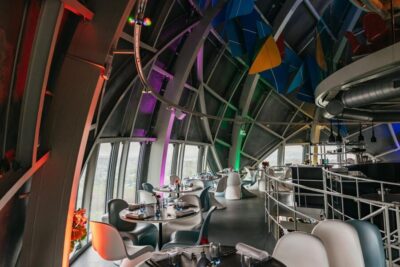
Atomium Entry Ticket with Design Museum Ticket
Read our review →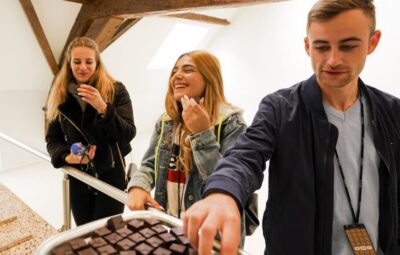
Choco-Story Brussels: Chocolate Museum Entrance with Tasting
Read our review →
Choco-Story Chocolate Museum Guided Tour w/Tastings
Read our review →
2.5-Hour Chocolate Museum Visit with Workshop
Read our review →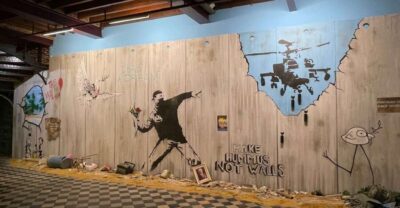
The World of Banksy Museum Permanent Exhibition
Read our review →

Chocolate Making Workshop and Chocolate Museum Entry
Read our review →Browse the lists this tour appears in