
Reviewed · BELGIAN CHOCOLATE TASTINGS
Choco-Story Brussels: Chocolate Museum Entrance with Tasting
The best part of Choco-Story Brussels comes near the end: a chocolatier turns tempered chocolate into pralines right in front of you, then lets you taste the finished piece. I like the clear self-paced audio guide and the mix of films, objects, and hands-on games. I also like that the ticket includes several tastings, not just a token sample at the door.
This is a small museum, so the demonstration room can feel crowded. If you arrive at a busy time, you may struggle to hear the presenter or see the work surface. It is also an audio tour rather than a person-led tour, which means you cannot stop and ask questions as you go.
In This Review
- Key points at a glance
- What Choco-Story Brussels actually offers
- Starting with cocoa, Aztec traditions, and European tastes
- Cocoa cultivation and the work behind the bar
- Tastings that make the story easier to remember
- The live praline demonstration
- How long to allow and when to go
- Location in central Brussels
- Is the $18 ticket good value?
- Who will enjoy this museum most?
- Audio guide or live guide?
- The shop and finishing your visit
- Booking and practical details
- Should you book Choco-Story Brussels?
- FAQ
- Is Choco-Story Brussels a guided tour?
- What languages are available on the audio guide?
- Is chocolate tasting included?
- How long does the museum visit take?
- Where is Choco-Story Brussels?
- Is the museum wheelchair accessible?
Key points at a glance
- Praline-making demonstration: Watch a chocolatier work by hand and taste the praline made during the presentation.
- Audio tour in several languages: Choose from English, Dutch, French, German, Spanish, Italian, Russian, or Chinese.
- Chocolate tastings included: Sample different chocolates during the visit, with an additional tasting after the demonstration.
- Interactive museum displays: Short films, historical objects, games, and cocoa exhibits keep the visit moving.
- Good central location: The museum is at Rue de l’étuve 41, 1000 Brussels, close to major sights and shopping streets.
- Best for a one to two hour stop: The visit is self-paced, so you can move quickly or listen to more of the commentary.
What Choco-Story Brussels actually offers
Choco-Story Brussels is a compact museum devoted to cocoa and Belgian chocolate. You start with an audioguide and a welcome tasting, then follow the exhibits at your own speed.
That format matters. You are not tied to a guide’s pace, and you can pause at a display that catches your interest. If you are visiting with children, you can move on when attention starts to fade. If you are a serious chocolate fan, you can spend longer with the sections about cultivation, production, and praline-making.
The museum takes you from cocoa bean to finished chocolate. It begins with the ancient use of cocoa by the Aztecs, who treated it as a sacred gift from the gods. You then follow cocoa across the Atlantic and see how European tastes changed the way it was prepared and served.
The final theme is Belgian chocolate and its worldwide reputation. The museum does not treat chocolate as just a sweet snack. It explains the work behind it, from growing and harvesting cocoa to transforming it into the smooth chocolate used in pralines.
More Belgian Chocolate Tastings in Brussels
- Hungry Mary’s Famous Beer and Chocolate Tour in Brussels
★ 5.0 · 2,258 reviews - Brussels: Belgian Chocolate Making Workshop with Tastings
★ 4.7 · 1,629 reviews - Brussels: 2.5-Hour Chocolate Museum Visit with Workshop
★ 4.6 · 1,263 reviews
Starting with cocoa, Aztec traditions, and European tastes
The opening section gives you the broad story before getting into Belgian chocolate. You learn about cocoa’s early importance in Aztec culture, then follow its journey to Europe.
This historical section is useful because it puts Belgian chocolate in context. The praline did not appear out of nowhere. It developed from changes in ingredients, tools, recipes, and European demand over several centuries.
You will use the audio device as you move through the room. The commentary is self-paced and available in multiple languages. English, Dutch, French, German, Spanish, Italian, Russian, and Chinese are listed among the available choices.
The audio guide is one of the museum’s strongest features. The explanations are clear, and the device is simple to use. Some visitors particularly enjoy the playful design, with the handset made to look like a chocolate bar.
The tradeoff is that this is not a traditional guided visit. You get good information, but no live guide is walking beside you. If you want to ask why one technique works better than another, or how a particular praline recipe was developed, you will need to rely on the recorded commentary and displays.
Cocoa cultivation and the work behind the bar
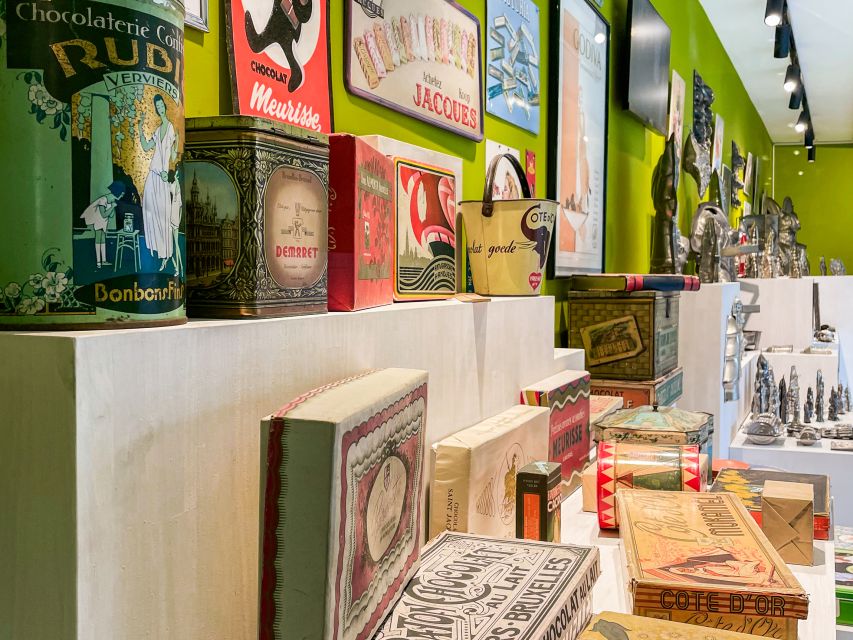
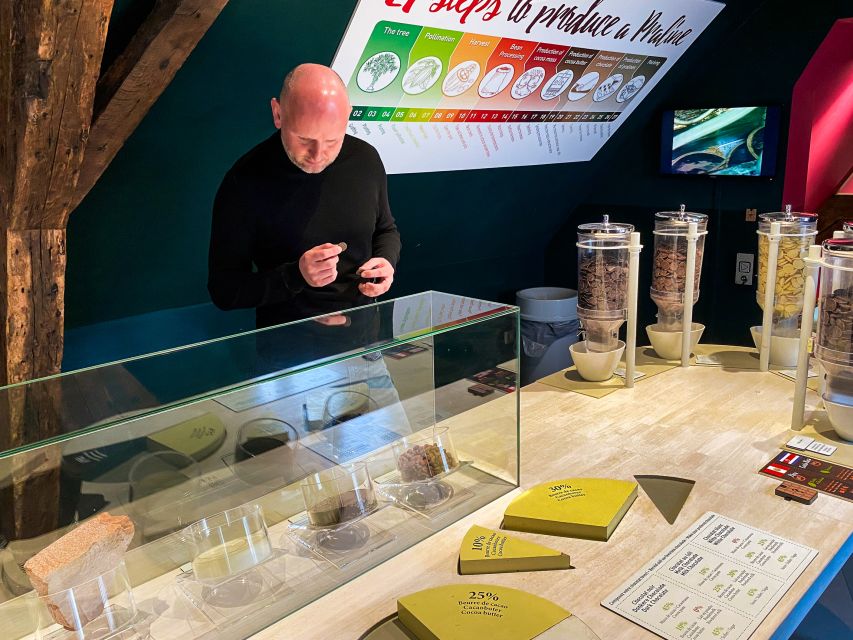
The museum then moves from culture to production. Displays explain cocoa cultivation, harvesting, and the steps that turn cocoa into chocolate.
This is where the visit becomes more useful than a simple tasting stop. You see that the finished bar or praline hides a long chain of work. The exhibits and short films help explain how a raw bean becomes a product with a smooth texture and familiar flavor.
Interactive displays break up the listening. You will find games and other hands-on elements, which are especially helpful for children. Adults get the factual background, while younger visitors have something to do with their hands.
I like this balance. A museum made only of written panels would be a hard sell for a family. Choco-Story keeps the information moving through short films and interactive games, so the visit feels more like an activity than a lecture.
Still, the museum is small. When several groups arrive together, the rooms can feel tight and noisy. If you want to hear every word of the audio commentary, use the device close to the relevant exhibit and avoid standing in the busiest part of the room.
Tastings that make the story easier to remember
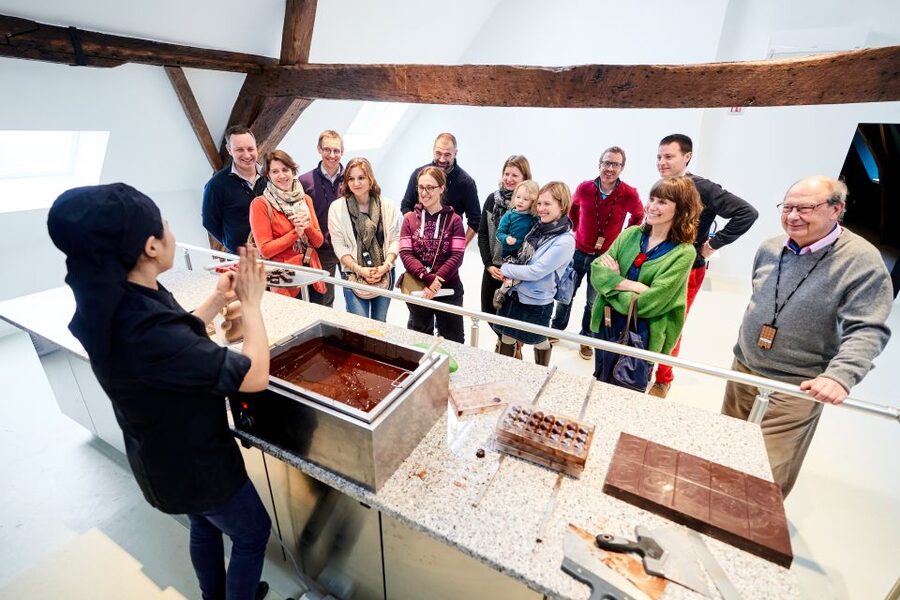
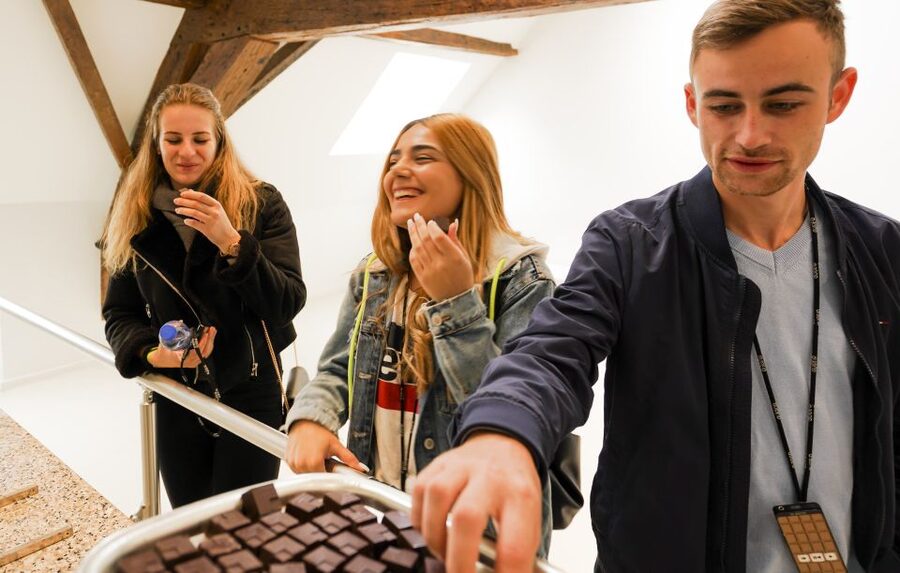
Chocolate tasting is included throughout the experience. You receive a welcome sample at the entrance, and there are additional chocolates to try as you go.
The tasting gives the historical material a practical purpose. After hearing about cocoa and chocolate-making, you can compare flavors and textures for yourself. It is easier to understand the appeal of Belgian chocolate when you are not just looking at finished pieces behind glass.
The exact number and selection of samples can vary, so I would not book this expecting a full meal or a formal tasting class. It is better viewed as a museum visit with several edible stops.
Some people may wish there were more tasting stations. The main appeal is the combination of exhibits and samples, not a long, structured tasting menu. If you are coming mainly to eat chocolate, the museum shop will be just as important as the display rooms.
The portions are small, but they add up. Families should find enough chocolate to make the visit feel generous, and adults with a sweet tooth will not leave wondering where the tasting went.
Same old town, a completely different kind of day:
- Brussels: Atomium Entry Ticket with Design Museum Ticket
★ 4.4 · 9,254 reviews - From Brussels: Guided Day Trip to Bruges and Ghent
★ 4.6 · 8,353 reviews - From Brussels: Bruges & Ghent Day Tour – 2 Fairytale Cities
★ 4.7 · 8,242 reviews - Bruges and Ghent – Belgium’s Fairytale Cities – from Brussels
★ 4.0 · 4,809 reviews
The live praline demonstration
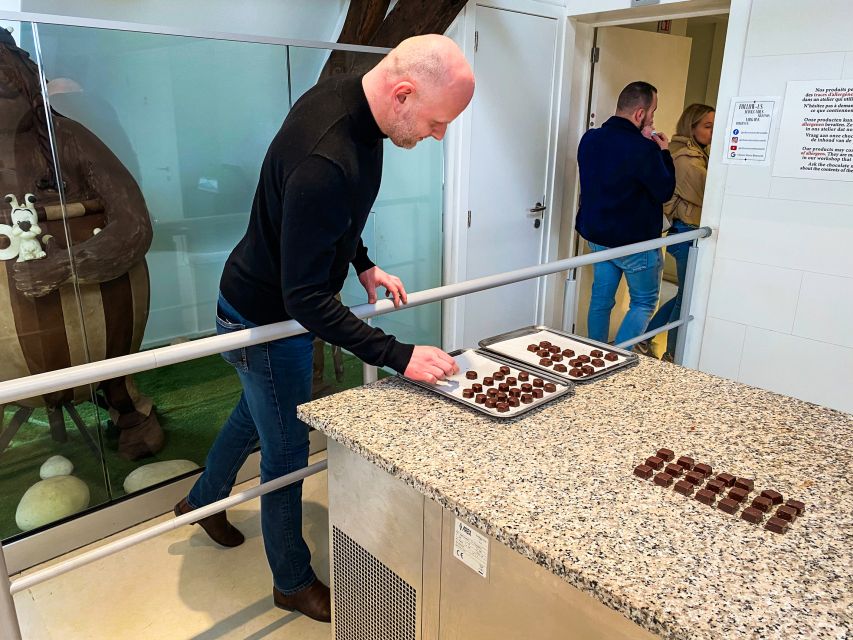
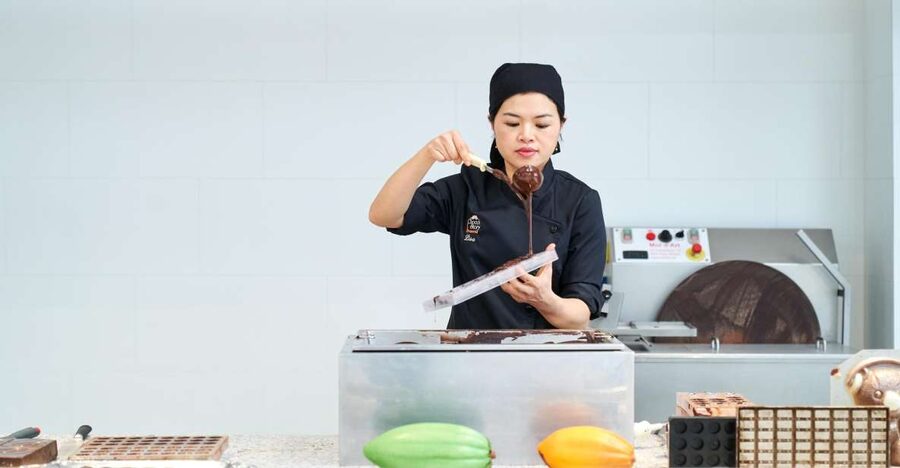
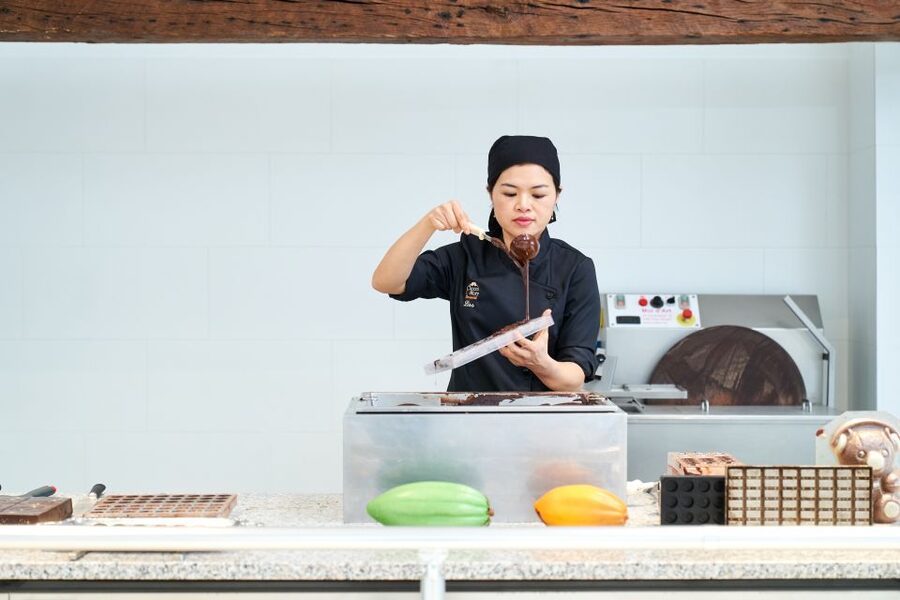
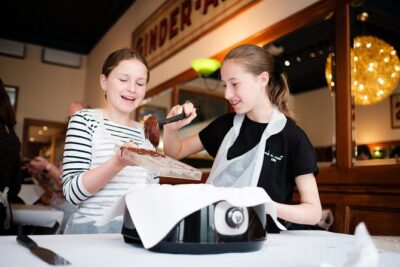
The chocolatier demonstration is the main event. It shows how smooth chocolate is handled and shaped into artisanal pralines using traditional methods.
You watch the process at close range, then taste a praline made during the presentation. That final sample is a smart touch because you are tasting the exact result of the work you just saw.
The presenter’s style can make a big difference. Demonstrations have been led by engaging staff members, including Gregory and Luisa, and the show can be funny as well as informative. The best presentations explain the steps while keeping the room entertained.
The demonstration is not a long professional training class. You will not leave ready to run a chocolate shop. You will, however, get a direct look at the technique and a better sense of why praline-making takes care and timing.
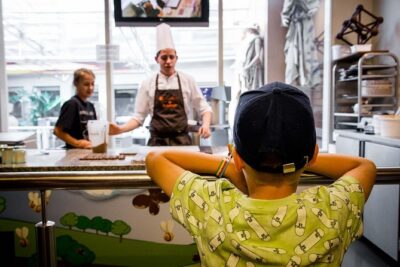
Arrive early for this part if the demonstration is a priority. The room can become crowded, and taller people may have an easier time seeing the work surface. Noise from people talking can also make it hard to hear the presenter. If the room is filling, position yourself where you can see both the chocolatier and the video screen.
This is the one part of the experience where the small size is most noticeable. The booking information describes a small group limited to 10 participants, but the demonstration area can still feel packed when several museum visitors gather together. Expect an enjoyable show, but not a spacious theater-style presentation.
How long to allow and when to go
The activity is listed with a one-day duration for booking purposes, but the actual museum visit is self-paced. A practical visit takes about an hour to two hours, depending on how closely you listen, how long you spend with the games, and how busy the demonstration is.
One and a half hours is a sensible target if you want to hear most of the audio content, sample the chocolate, and watch the chocolatier. You can move faster if you are fitting the museum between other Brussels sights.
Morning visits can be quieter. A 10:30 arrival has been a good choice for avoiding the heaviest crowds, with the museum becoming busier later. I would use the same general approach during busy periods, especially if you want a clear view of the demonstration.
There is no need to hurry through the exhibits. The self-guided format lets you pause, replay information, and spend less time on sections that do not interest you. That flexibility also makes the museum a good backup plan for cold or hot weather.
Location in central Brussels
Choco-Story Brussels is at Rue de l’étuve 41, 1000 Brussels, in the Brussels Capital Region. Its central position makes it easy to add to a day of sightseeing, shopping, and other nearby attractions.
The location is one reason the museum works well as a short stop. You do not need to give it an entire day. You can visit, enjoy the tastings, and continue exploring the city.
The central setting also means the museum may be busy. A small indoor attraction near major sights naturally draws families, couples, and chocolate fans throughout the day. If you prefer a calmer experience, choose an earlier time and give yourself a little room around the demonstration.
The museum is wheelchair accessible, which is useful for visitors who need step-free access. The available details do not give a full description of every facility, so contact the museum directly if you need specific accessibility arrangements beyond the stated access.
Is the $18 ticket good value?
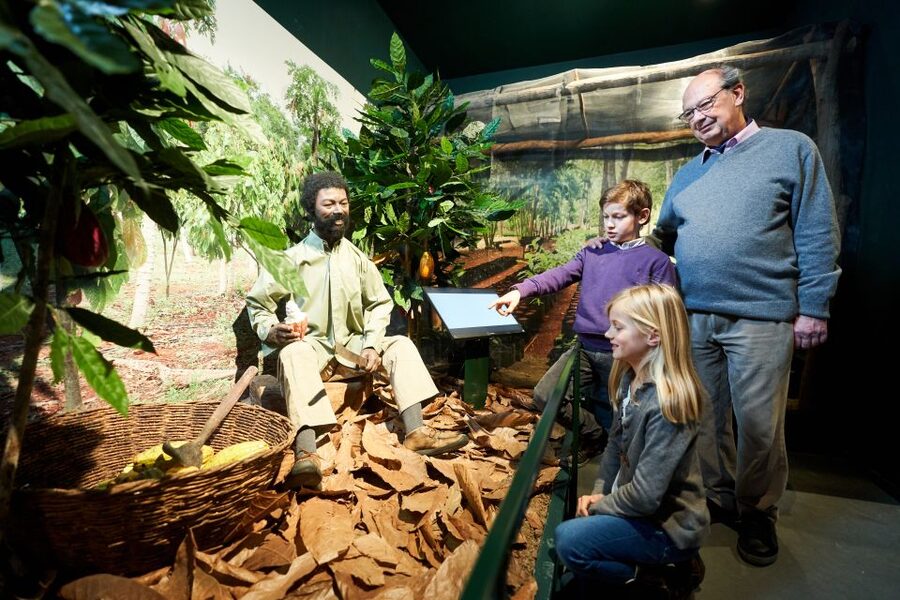
At $18 per person, this is good value if you want an activity that combines food, culture, and a central location.
You are paying for the museum entrance, the audio guide, the demonstrations, and the tastings. The live praline sample is especially important to the value calculation. You are not just reading about Belgian chocolate and buying your own snack afterward.
I would compare it with the price of a standard museum admission plus a few chocolate purchases in central Brussels. Choco-Story gives you an organized explanation of the subject and lets you taste along the way. For families, the interactive features make the ticket more useful than a quiet display-only museum.
The value is weaker if you expect a hands-on workshop. You watch the chocolatier rather than make pralines yourself, and the audio guide replaces a personal instructor. It is also not the right choice for someone who dislikes sweets or prefers a large, spacious museum.
The included tasting helps make the cost feel fair. The shop adds another temptation, so set a spending limit before you enter if you are trying to keep the day affordable.
Who will enjoy this museum most?

I would recommend Choco-Story to chocolate lovers, families, couples, solo visitors, and anyone looking for an indoor activity in Brussels.
Children get games, films, samples, and the excitement of watching chocolate being made. The audio guide can be adjusted to suit your pace, and the visit does not require children to sit through a long live talk.
Adults get more than sugar. The cocoa story, production displays, and explanation of Belgian pralines give the experience some substance. It is a pleasant way to learn how a familiar food developed across different cultures and time periods.
Solo visitors should find the format easy. You can listen without needing to match another person’s pace, and the central location makes it simple to fit into a larger walking day.
I would be more cautious if you need a quiet museum or want plenty of space around a demonstration. I would also choose another activity if your main goal is to make chocolate yourself. This is a museum visit with a live presentation, not a chocolate-making workshop.
Audio guide or live guide?
Expect an audio guide, not a person-led tour. The instructor languages listed for the activity are French, Dutch, and English, while the audio guide offers a broader choice of languages.
The recorded narration is clear and informative, and the self-paced format is convenient. You can move through the museum independently and take breaks when you like.
The limitation is simple: you cannot ask the audio guide a question. Some people prefer the quiet control of a recording, while others miss the back-and-forth of a live guide.
If you are booking because you want a personal tour, read the format carefully. If you are happy to learn independently and use the demonstration for the live element, the arrangement works well.
The shop and finishing your visit
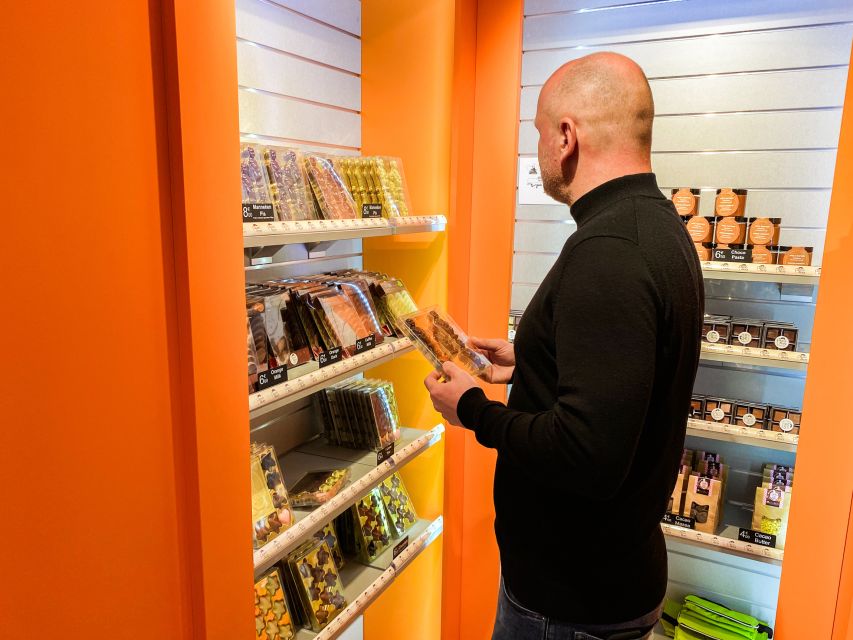
Save a few minutes for the museum shop. It sells Belgian chocolate creations that make easy gifts for family and friends.
The shop is also useful if the included samples leave you wanting more. You can compare the museum tasting with packaged chocolates to take home, though the cost of extra purchases is not part of the $18 admission.
I like ending here rather than buying chocolate before the museum. The displays and demonstration give you a better idea of what you are choosing, and you can pick something with more confidence.
Remember that chocolate can soften in warm weather. The experience information does not specify special packaging or storage, so ask the shop staff if you plan to carry purchases for the rest of the day.
Booking and practical details
You can cancel up to 24 hours before the activity for a full refund, and the reserve-now, pay-later option keeps your plans flexible. Check availability for the starting times shown when you book.
The activity is wheelchair accessible. The group information lists a maximum of 10 participants, though the demonstration area may still feel crowded at popular times.
The meeting point is Choco-Story Brussels, Rue de l’étuve 41, 1000 Brussels. Bring enough time to find the entrance and start with the welcome tasting rather than arriving at the last moment.
Should you book Choco-Story Brussels?
Book it if you want a well-priced, central Brussels activity with real tastings and a live praline demonstration. The museum works particularly well for families and mixed-age groups because the audio guide lets adults follow the story while children use the interactive displays and games.
I would also recommend it for a rainy, cold, or very hot day. Plan for roughly an hour and a half, arrive earlier if possible, and stand where you can see during the demonstration.
Skip it if you want a hands-on chocolate class, a private guide, or a large and quiet museum. For most people who enjoy chocolate and want some context with their treats, though, the $18 ticket offers a satisfying Brussels stop without taking over your whole day.
FAQ
Is Choco-Story Brussels a guided tour?
No. The visit is self-guided with an audio device. A live chocolatier demonstration is included, but there is no personal guide leading you through the museum.
What languages are available on the audio guide?
The listed audio guide languages are Dutch, French, English, German, Spanish, Italian, Russian, and Chinese.
Is chocolate tasting included?
Yes. The ticket includes a welcome tasting, additional samples during the visit, and a praline tasting after the chocolatier demonstration.
How long does the museum visit take?
The activity is listed with a one-day duration for booking, but the self-guided museum visit generally takes about an hour to two hours. Around one and a half hours gives you time for the exhibits, tastings, and demonstration.
Where is Choco-Story Brussels?
The museum is located at Rue de l’étuve 41, 1000 Brussels, in the Brussels Capital Region of Belgium.
Is the museum wheelchair accessible?
Yes. Choco-Story Brussels is listed as wheelchair accessible.
More Food & Drink in Brussels
- Belgian Beer Tasting in Brussels
★ 5.0 · 1,280 reviews - Brussels 2.5-Hour Belgian Beer Tasting Experience
★ 4.7 · 932 reviews - Brussels Walking and Tasting Tour (Beers,Chocolates&Fries/Waffle)
★ 5.0 · 929 reviews - Marc’s Brussels Beer Tasting Tour
★ 4.5 · 645 reviews
More Dessert Tours in Brussels
- Brussels: Historical Walking Tour with Chocolate & Waffle Tasting
★ 5.0 · 1,165 reviews - Brussels: 2.5-Hour Belgian Chocolate Making Workshop
★ 4.8 · 933 reviews - Brussels Chocolate Walking Tour and Workshop
★ 4.5 · 885 reviews - Brussels: Historical Tour with Chocolate & Waffle Tasting
★ 4.8 · 642 reviews
Just added around Brussels
- Standard vehicle from Brussels airport to city of Antwerp★ 5.0 · 4 reviews
- Private transfer from BRU Airport to Brussels city with luxury limousine 3 pax★ 4.5 · 8 reviews
- Luxury vehicle from Brussels airport to the city of Brussels★ 4.0 · 5 reviews
- Transfer Brussels Airport –> City MB E Class 1-3 PAX (ONE WAY)★ 5.0 · 6 reviews
- Transfer Brussels Airport (BRU) –> City Center 7 PAX (ONE WAY)★ 5.0 · 7 reviews
- PRIVATE MPV TRANSFER FROM/TO BRUSSELS AIRPORT (Max 6 pax) ONE-WAY★ 5.0 · 4 reviews
- Transfer Brussels Airport –> Brussels MB V Class 7 PAX (ONE WAY)★ 5.0 · 4 reviews
- Brussels: City Walk with Audioguide in 7 Languages on your Phone★ 3.5 · 4 reviews
Belgian Chocolate Tastings, compared.
Belgian Chocolate Making Workshop with Tastings
Read our review →
Choco-Story Chocolate Museum Guided Tour w/Tastings
Read our review →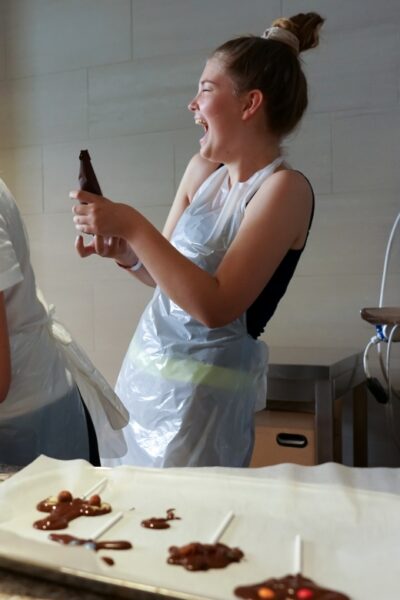
2.5-Hour Chocolate Museum Visit with Workshop
Read our review →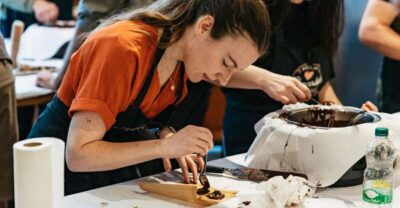


1.5h Belgian Chocolate Workshop in Brussels (bean to bar)
Read our review →Browse the lists this tour appears in