
Reviewed · BRUSSELS TOURS
Visite guidée : Bruxelles, 1000 Ans de Luttes
The most revealing part of this Brussels walk is its focus on people who fought to keep their neighborhood. Instead of racing between famous monuments, you trace the Marolles’ social history, from a 12th-century church to the Palace of Justice and the flea market that still anchors local life.
I like the way the tour connects physical places with political struggles, especially the unfinished Palace of Justice renovation and the threatened identity of the Marolles. I also like the small group limit of 25 and the chance to finish at Place du Jeu de Balle, where you can stay for a drink or meal. The main consideration is that the tour is offered in English only, and the €10 gratuity makes the very low advertised price less representative of your final cost.
In This Review
- Key points at a glance
- Why this walk shows you a different Brussels
- Starting at Notre-Dame de la Chapelle
- The Palace of Justice and Brussels’ unfinished bill
- The Marolles elevator and a five-minute payoff
- Narrow streets and the character of the Marolles
- Finishing at Place du Jeu de Balle
- What the low price really means
- Who will enjoy this Brussels walk
- Booking, cancellation, and practical details
- Should you book Brussels, 1000 Years of Struggles?
- FAQ
- Where does the tour start?
- Where does the tour end?
- How long does the tour last?
- What language is the tour offered in?
- Is the Palace of Justice entrance included?
- Is the tour suitable for most people?
- How large can the group be?
- Can I cancel for a full refund?
Key points at a glance
- A social history walk: Learn how poor and independent-minded residents shaped the Marolles over centuries.
- The Palace of Justice explained: Hear the local story behind four decades of renovation work and public spending.
- A fine city view: Ride or visit the Marolles elevator for a look across Brussels.
- A neighborhood rather than a checklist: Explore narrow streets, blind alleys, and the character of a central district.
- A useful finish: End at Place du Jeu de Balle, home to the Marolles flea market and nearby bars and restaurants.
- A low-cost, small-group format: The walk lasts about two hours, accepts mobile tickets, and allows up to 25 people.
Why this walk shows you a different Brussels
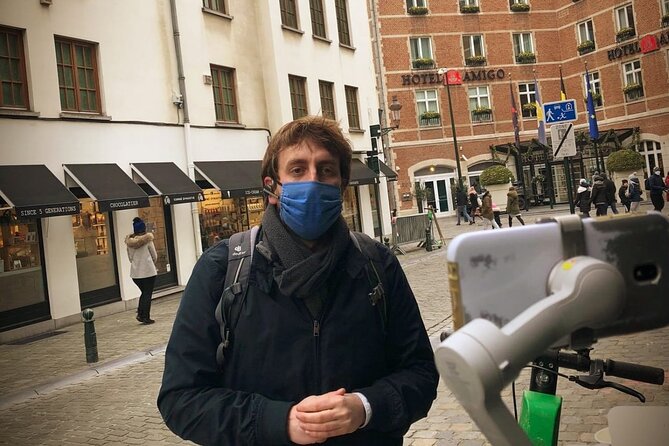
Brussels is often reduced to the Grand-Place, chocolate shops, Art Nouveau façades, and the Manneken-Pis. Those sights have their place, but this tour takes you into a part of the city where the important stories are about housing, class, neighborhood identity, displacement, and public money.
The Marolles sits close to the center, yet its character developed outside the old city walls. The district is described as a quiet, poor neighborhood with tiny streets and blind alleys, a place that has long had its own strong identity. You are not simply looking at old buildings. You are learning why this corner of Brussels matters to the people who live there.
The title, Brussels, 1000 Years of Struggles, gives you a good idea of the tone. This is not a polished royal-city walk. It is more interested in the people who had to defend their homes and customs, and in the friction between grand plans and ordinary lives.
That makes the experience useful even if you already know Brussels. One person who had lived in the city for five years said the tour changed how they viewed Brussels, while another described it as especially useful for understanding the district’s visible and invisible borders. You can expect a local point of view rather than a simple list of dates.
Other Brussels days worth putting on the list:
- Brussels: Atomium Entry Ticket with Design Museum Ticket
★ 4.4 · 9,254 reviews - From Brussels: Guided Day Trip to Bruges and Ghent
★ 4.6 · 8,353 reviews - From Brussels: Bruges & Ghent Day Tour – 2 Fairytale Cities
★ 4.7 · 8,242 reviews
Starting at Notre-Dame de la Chapelle
The walk begins at Rue de la Chapelle 21, beside Église Notre-Dame de la Chapelle. Allow yourself enough time to find the starting point, since this is a street address rather than a large central meeting square.
The church dates from the 12th century and remains an important landmark in the area. Your guide uses it as an opening into the neighborhood’s past, including its lesser-known details and present-day role. The stop lasts about 10 minutes, and admission is free.
A particularly unusual detail is the Polish Mass held every Sunday. The church also hosts painting exhibitions, so its role is not limited to worship or architecture. That combination helps you see the building as part of a living neighborhood rather than a frozen historic object.
This first stop is short, which is sensible. You will not spend half an hour studying stonework while the rest of Brussels waits outside. Instead, the church sets the tone for a walk that mixes architecture, religion, migration, local customs, and social change.
The Palace of Justice and Brussels’ unfinished bill
The next major stop is the Palais de Justice, about a 15-minute part of the walk. Even from the outside, this is an imposing building, but the tour’s real subject is not only its scale or design.
The guide explains the renovation scandal surrounding the building. Work began about 40 years ago and still has not been completed. The story becomes a sharp example of Belgian public administration, delays, expense, and frustration.
This is one of the strongest parts of the experience because it links a huge national monument to everyday political feeling. You get more than a photograph of a grand courthouse. You learn why the building has become shorthand for waste and unfinished promises.
The subject may sound dry in a standard city tour, but it becomes memorable when tied to a specific place you can see. If you have ever looked at the Palace of Justice and wondered why it remains covered in scaffolding or renovation structures, this is your chance to get the local explanation.
The drawback is that the tour does not include entry to the Palace of Justice. The discussion is an outdoor stop, and the value comes from the guide’s storytelling rather than an interior visit.
The Marolles elevator and a five-minute payoff
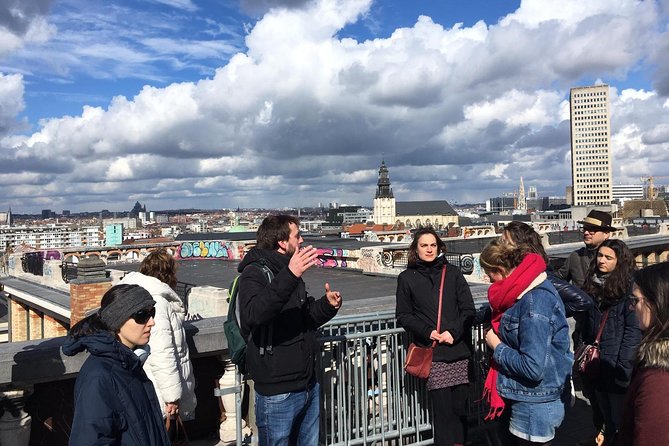
The Ascenseur des Marolles is a brief stop, listed at about five minutes. Its purpose is simple: to give you one of the best views of Brussels from the top of the elevator.
Short stops like this can work well on a walking tour. You do not lose time to a long photo session, but you get a clear sense of the district’s position within the city. The elevator also helps explain the physical relationship between different levels of Brussels.
You should think of this as a viewpoint woven into the walk, not as a separate sightseeing attraction. The stop is quick, so keep your camera ready and listen for the guide’s explanation of why this piece of infrastructure matters to the Marolles.
Because the tour is on foot, comfortable shoes will help. The supplied information does not describe the full route or terrain in detail, so you should be prepared for ordinary city walking and uneven streets rather than treating this as a fully seated activity.
Same old town, a completely different kind of day:
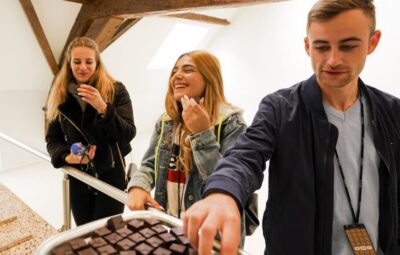
- Choco-Story Brussels: Chocolate Museum Entrance with Tasting
★ 4.3 · 4,883 reviews - Bruges and Ghent – Belgium’s Fairytale Cities – from Brussels
★ 4.0 · 4,809 reviews - Brussels: Hop-On Hop-Off Bus Tour
★ 4.0 · 4,016 reviews - Brussels: Entry Ticket to Mini-Europe
★ 4.5 · 2,870 reviews
Narrow streets and the character of the Marolles
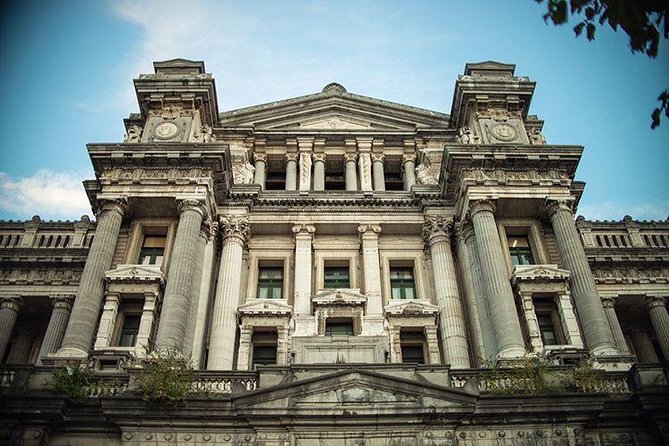
The walk then spends about 20 minutes in the Quartier Marolles. This is the heart of the experience.
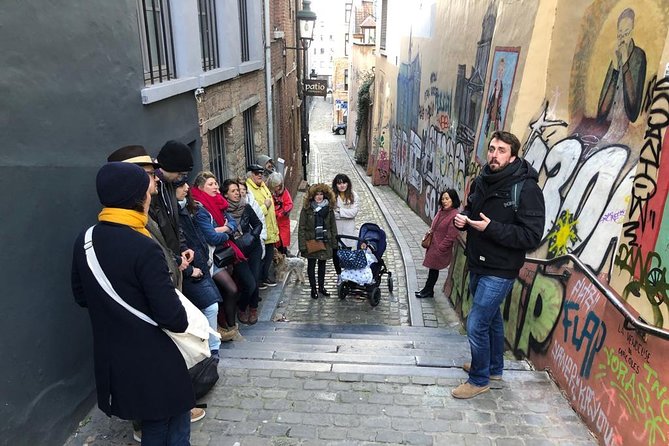
The district is presented as unruly, independent, and full of unexpected turns. Its tiny streets and blind alleys give the guide plenty to work with, but the real point is how the area developed and how its people held on to a distinct identity.
You hear about living conditions and social progress for disadvantaged residents, along with the way the Marolles fits into the wider city. The guide also explains how it feels to identify with the district, not just what happened there.
That personal angle is important. A conventional history tour might tell you when a street or building appeared. This walk asks what the neighborhood meant to the people who lived there, and why its character needed defending.
Several guides have led this experience, including François, Simon, and Thomas. The exact guide for your departure may vary, but the strongest descriptions of the tour point to passionate storytelling, clear answers, and a local view of the Marolles. Thomas, in particular, is praised for explaining both the area’s history and the less obvious borders within Brussels. Simon is associated with the social history of the district, while François has guided groups through unusual places in the Sablon and Marolles.
Do not expect every guide to deliver the same stories in exactly the same order. That is normal for a small local operation, and it can be part of the appeal. The important thing is that the walk is built around interpretation, not a memorized parade of monuments.
Finishing at Place du Jeu de Balle
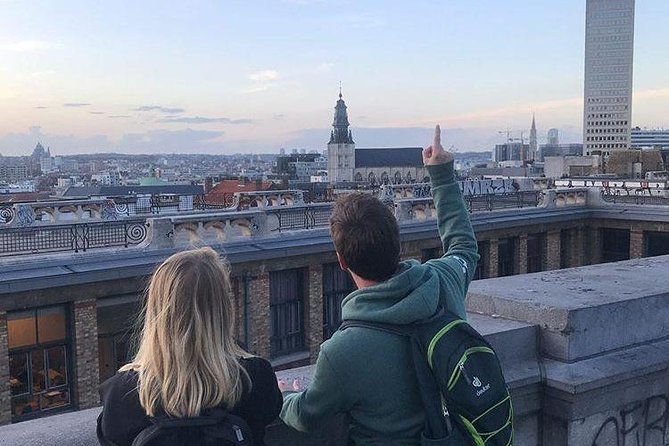
The final stop is Place du Jeu de Balle, with about 10 minutes devoted to the square and its daily flea market. The meeting point is in the middle of the square, at Place du Jeu de Balle 64, so check the exact ending details if you are arranging transport afterward.
The market is not treated as a random shopping stop. You learn about its place in Marolles life and the efforts people have made to keep it conserved. That fits the larger theme of the tour: public space is never just public space. People attach memories, livelihoods, and identity to it.
The square is also a practical ending point. You can finish the walk and immediately choose among the bars and restaurants around the plaza. If you prefer to continue exploring, the Marolles gives you a natural base for more wandering, though the tour itself ends here.
The market’s daily presence makes the timing of your tour worth checking. The supplied information identifies it as a daily flea market, but it does not provide market hours or say whether every tour departure coincides with its busiest period. If the market is a priority, ask the operator before booking a particular time.
What the low price really means
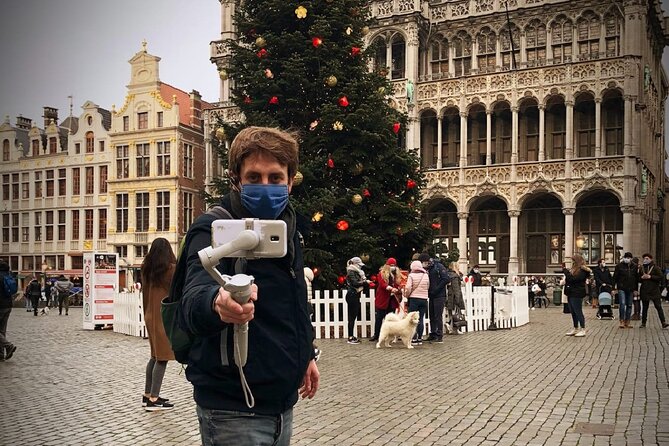
The advertised price is $3.62 per person, which is remarkably low for a two-hour guided walk. Entrance fees and registration fees are included, and the listed stops do not charge admission. You receive a mobile ticket, so there is no need to print a voucher.
There is one important adjustment: gratuities are not included, and the stated amount is €10 per person. That means you should budget closer to the cost of the walk plus the recommended gratuity when comparing it with other Brussels tours.
Even with that addition, the experience can offer strong value. You are paying for a focused local story, not for a costly museum admission or a large coach operation. The tour also avoids the expense and time of several separate attractions.
The low headline price may help explain why the experience is commonly reserved about 25 days in advance. If you have fixed dates in Brussels, booking ahead is sensible. The group can include up to 25 people, so it is not a private tour, but the limit is still more manageable than a large city sightseeing group.
Who will enjoy this Brussels walk
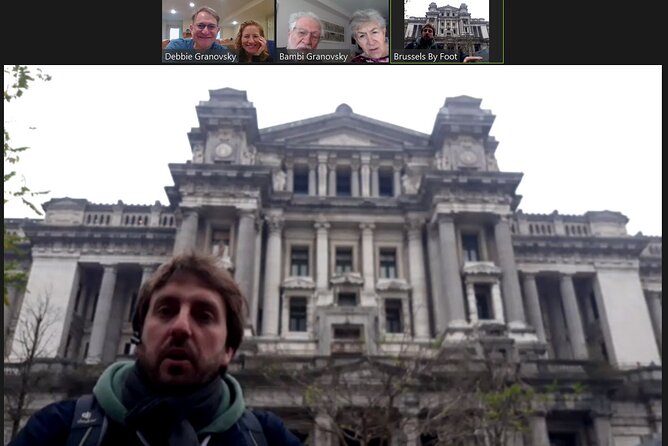
I would choose this tour if you want to understand Brussels through its neighborhoods and social tensions. It suits first-time visitors who have already seen the central monuments, as well as people living in Brussels who want to understand the Marolles beyond its flea market.
It is especially useful for:
- You want a local perspective rather than a standard monument tour.
- You are interested in class, housing, political decisions, and community identity.
- You enjoy stories and conversation more than formal museum-style interpretation.
- You want to see a central district that feels different from the postcard version of Brussels.
- You are comfortable walking for about two hours.
- You can follow a tour conducted in English.
Families can participate, and most people can take part. Service animals are allowed, and the route is near public transportation. Still, the supplied details do not promise full step-free access, so anyone with specific mobility needs should confirm the route directly before booking.
This is not the best choice if you want to enter the Palace of Justice, spend a long time inside Notre-Dame de la Chapelle, or focus mainly on architecture. The buildings provide the setting, but the guide’s social and political storytelling is the main event.
Booking, cancellation, and practical details
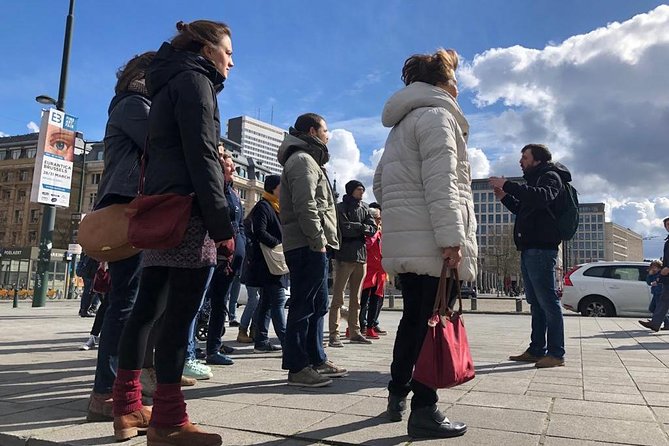
Confirmation is sent at the time of booking. The experience is offered in English and accepts mobile tickets, which keeps arrival simple.
You can cancel for a full refund up to 24 hours before the start time. Cancellations or changes made less than 24 hours before the start are not accepted for a refund. The operator may also cancel if the minimum number of participants is not reached, in which case you are offered another date or experience, or a full refund.
Brussels By Foot operates the experience. Since the tour depends heavily on the individual guide, it is worth arriving ready to listen and ask questions. The best use of the two hours is to treat it as a conversation about the city, not just a series of photo stops.
Should you book Brussels, 1000 Years of Struggles?
Book it if you want the Brussels that exists behind the grand façades. The Marolles offers a clear look at how communities, government decisions, and urban change collide. The Palace of Justice story, the elevator viewpoint, and the Place du Jeu de Balle ending give the walk a good mix of scale and detail.
I would be less likely to choose it for a first introduction to every major Brussels sight, since it skips the city’s best-known landmarks. But if you want one focused neighborhood tour with strong human stories, this is an unusually affordable choice. Add the €10 gratuity to your budget, reserve ahead if your dates are fixed, and come prepared for a thoughtful walk rather than a conventional sightseeing loop.
FAQ
Where does the tour start?
It starts at Rue de la Chapelle 21, 1000 Bruxelles, Belgium, at Église Notre-Dame de la Chapelle.
Where does the tour end?
It ends at Place du Jeu de Balle 64, 1000 Bruxelles, Belgium, in the middle of the square.
How long does the tour last?
The walking experience lasts approximately two hours.
What language is the tour offered in?
The tour is offered in English.
Is the Palace of Justice entrance included?
No. The tour discusses the Palace of Justice from the outside, and the listed admission fee is free.
Is the tour suitable for most people?
Yes. Most people can participate, and service animals are allowed. The experience is also near public transportation.
How large can the group be?
The maximum group size is 25 people.
Can I cancel for a full refund?
Yes. You can cancel at least 24 hours before the experience starts for a full refund. Changes or cancellations made less than 24 hours before the start are not accepted for a refund.
Just added around Brussels
- Standard vehicle from Brussels airport to city of Antwerp★ 5.0 · 4 reviews
- Private transfer from BRU Airport to Brussels city with luxury limousine 3 pax★ 4.5 · 8 reviews
- Luxury vehicle from Brussels airport to the city of Brussels★ 4.0 · 5 reviews
- Transfer Brussels Airport –> City MB E Class 1-3 PAX (ONE WAY)★ 5.0 · 6 reviews
- Transfer Brussels Airport (BRU) –> City Center 7 PAX (ONE WAY)★ 5.0 · 7 reviews
- PRIVATE MPV TRANSFER FROM/TO BRUSSELS AIRPORT (Max 6 pax) ONE-WAY★ 5.0 · 4 reviews
- Transfer Brussels Airport –> Brussels MB V Class 7 PAX (ONE WAY)★ 5.0 · 4 reviews
- Brussels: City Walk with Audioguide in 7 Languages on your Phone★ 3.5 · 4 reviews
Brussels Tours, compared.
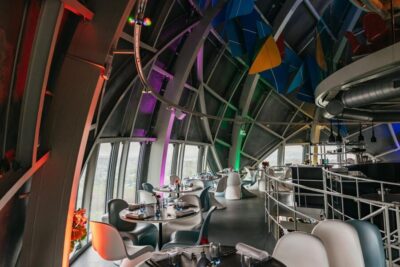
Atomium Entry Ticket with Design Museum Ticket
Read our review →
Choco-Story Brussels: Chocolate Museum Entrance with Tasting
Read our review →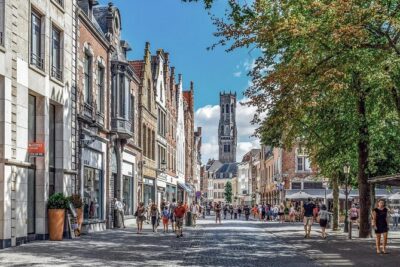
Bruges and Ghent – Belgium’s Fairytale Cities – from Brussels
Read our review →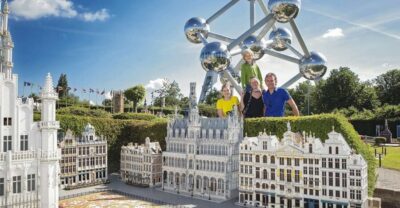

Belgian Chocolate Making Workshop with Tastings
Read our review →
Browse the lists this tour appears in