
Reviewed · HISTORICAL TOURS
Brussels: Museum Art & History Entry Ticket
The most surprising part of this museum is its sheer range. In one visit, you can move from the birth of mankind to ancient Egypt, then on to Roman monuments, Belgian archaeology, Asian Buddhas, and early 20th-century Art Nouveau. I especially like the model of ancient Rome and the chance to see the collections in the grand Cinquantenaire setting.
I also like that the ticket gives you a full day rather than a rushed time slot, and that the museum works well for both adults and children. The main drawback is its size: without a plan, you may wander past major sections or tire before reaching the European decorative arts. If you already hold a Brussels Museum Pass, check its terms before buying, since one Belgian visitor found they had paid an extra €8 unnecessarily.
In This Review
- Key Points at a Glance
- A Museum That Covers Human History in One Building
- Start With Prehistory and Belgian Archaeology
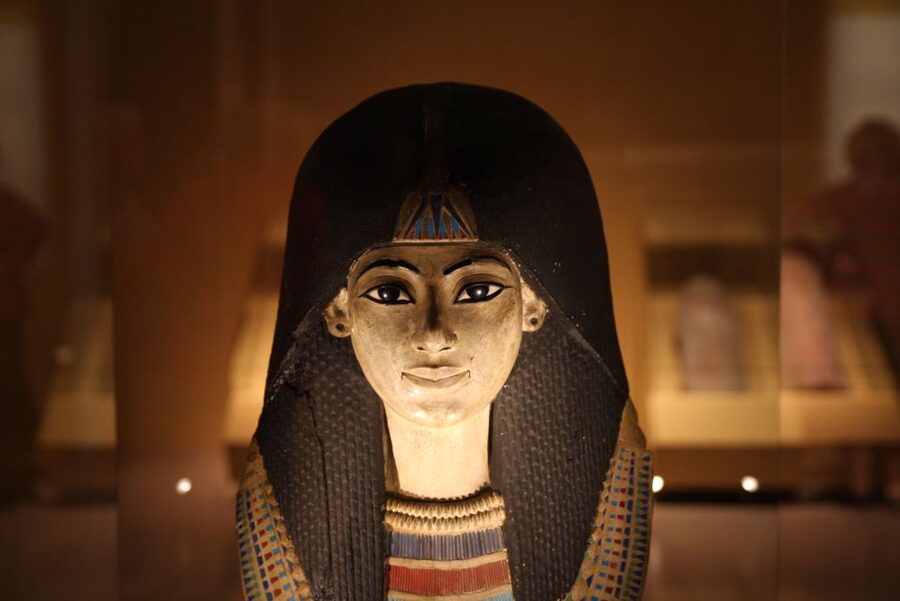
- Ancient Egypt, Mummies, Greece, and Rome
- European Decorative Arts From the Middle Ages to 1900
- Asian Buddhas and the Non-European Collections
- Cinquantenaire Park Makes a Natural Break
- The $11 Ticket and What You Actually Get
- Getting to the Entrance at Cinquantenaire
- Who Will Get the Most From This Visit
- Should You Book the Museum Art & History Ticket?
- FAQ
- How much does the Museum Art & History ticket cost?
- How long is the ticket valid?
- Is the visit guided?
- Can I skip the ticket line?
- Is the museum wheelchair accessible?
- Where is the museum entrance?
- Which public transport stops are closest?
- Can I cancel the ticket?
Key Points at a Glance
- See Rome in miniature: The model of Roma gives you a clear picture of the ancient city and its scale.
- Meet Egypt’s mummies: Egyptian galleries add a memorable, slightly eerie stop for families and history fans.
- Travel across continents: Collections include Islamic art, India, China, and other non-European cultures.
- Trace Belgium’s past: Prehistoric and national archaeology help explain the country before its modern borders and cities.
- Take a park break: Cinquantenaire Park is right outside, making an informal picnic easy.
- Plan for a large museum: The ticket is valid for one day, but you will get more from it with a route in mind.
A Museum That Covers Human History in One Building
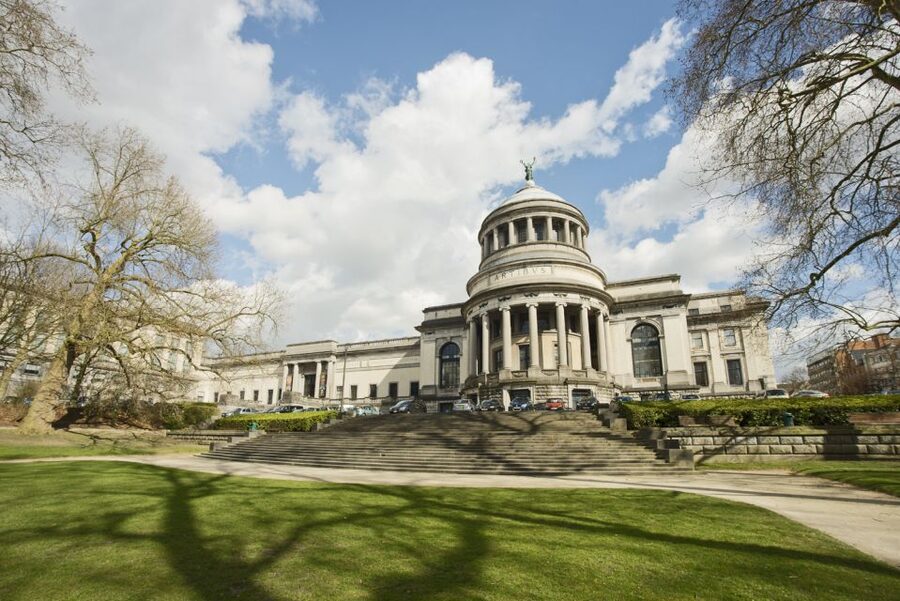
Brussels’ Museum Art & History, also called the Royal Museum of Art and History, is housed in a grand classical building at Parc du Cinquantenaire. The setting matters. You are not entering a small specialist gallery, but one of Belgium’s largest museums, with rooms devoted to several eras and continents.
The collection begins with archaeological discoveries linked to the earliest stages of human life. From there, you can follow a broad path through prehistory, ancient Egypt, Greece and Rome, the Middle Ages, the 16th through 18th centuries, and the Art Nouveau and Art Deco periods of the early 20th century.
That range is the main reason to buy this ticket. It gives you a useful introduction to Belgium’s cultural institutions while also taking you far beyond Belgium. You can spend the morning with local archaeology, then shift your attention to Asia or the Islamic world without changing museums.
This is a self-guided museum visit. The included service is entry, not a named guide or a guided walk. That gives you freedom to choose your pace, but it also means you should decide in advance which sections matter most to you.
A few more Brussels trips to weigh up
- Brussels: Atomium Entry Ticket with Design Museum Ticket
★ 4.4 · 9,254 reviews - Choco-Story Brussels: Chocolate Museum Entrance with Tasting
★ 4.3 · 4,883 reviews - Brussels: 2.5-Hour Chocolate Museum Visit with Workshop
★ 4.6 · 1,263 reviews
Start With Prehistory and Belgian Archaeology
The national archaeology section is the best place to understand Belgium before its famous medieval towns, royal buildings, and modern institutions. Here you can look for evidence of early human activity and the long stages of development that came before written records.
I like this opening because it gives the rest of the museum a clearer frame. Ancient objects are not simply isolated curiosities. They show how people lived, made tools, built communities, and expressed beliefs long before the European periods most tourists recognize.
The archaeology section also keeps the visit grounded in Belgium. If you spend all your time on Egypt or Rome, you could leave with a good general history lesson but little sense of the country itself. Give this area enough time to connect the museum to the place you are visiting.
For families, prehistory can be an easier starting point than a room full of delicate decorative objects. Children often respond to the basic questions here: What was it made from? How old is it? How did people use it? The museum’s broad range means different age groups can find an entry point.
Ancient Egypt, Mummies, Greece, and Rome
The ancient history galleries cover Egypt, Greece, and Rome, with the Egyptian mummies likely to be the most memorable stop for many people. They give the ancient world a human focus, even if younger children may find the subject unsettling.
I would not rush through Egypt. Look at the objects as clues to daily life, belief, burial customs, and the way ancient societies understood death. The museum’s collection is part of a wider journey through human ideas, not just a display of dramatic objects.
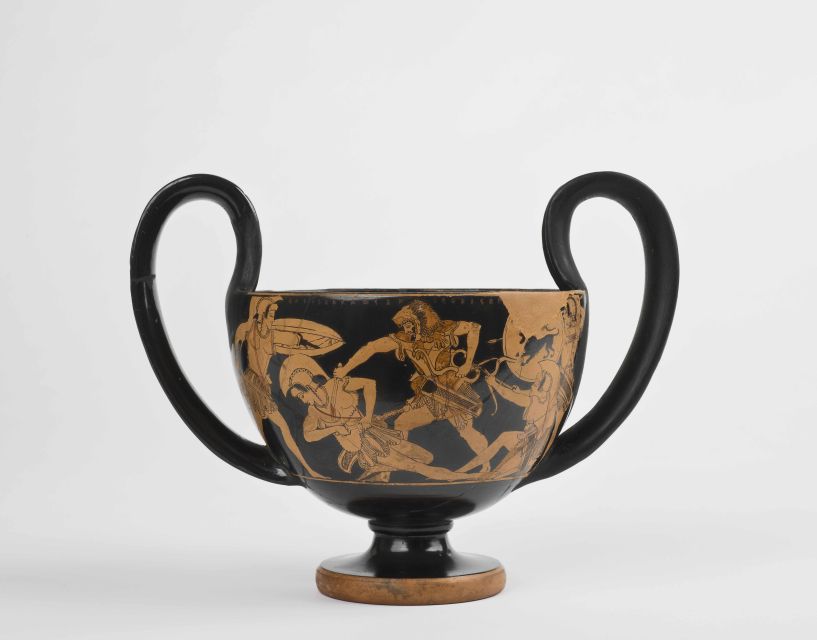
The Greek and Roman sections then shift the mood toward architecture, mythology, public life, and empire. The highlight here is the model of Roma, a large-scale representation of ancient Rome. It helps turn a distant historical idea into something you can study as a physical city.
That model is especially useful if ancient Rome feels too broad or abstract. You can consider how the city was arranged and how large it became, rather than viewing only individual statues or fragments. It is also a good family stop because a model gives children something concrete to inspect.
Do not expect every section to offer the same level of visual drama. Some archaeology displays reward close attention more than quick photographs. Flash photography is not allowed, so bring your patience rather than relying on snapshots to remember everything.
European Decorative Arts From the Middle Ages to 1900
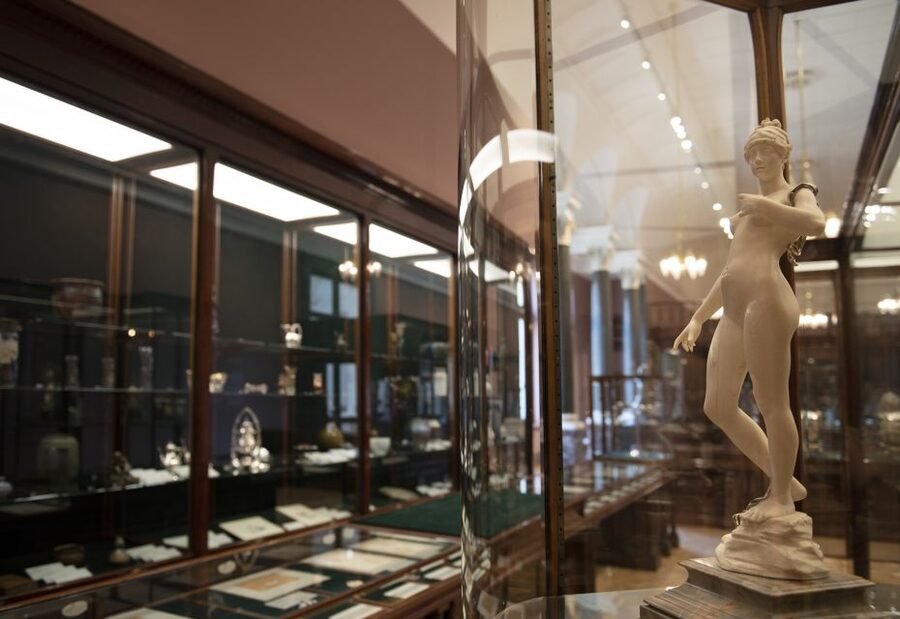
The European decorative arts collection covers the 10th through the 20th centuries. This section adds a different kind of history, one told through objects made for homes, religious settings, courts, and public life.
The value here is comparison. You can watch styles change across several hundred years instead of seeing one period in isolation. Medieval work, Renaissance pieces, later decorative designs, and objects from the 18th and 19th centuries show how taste, materials, wealth, and social customs shifted.
This is also where the museum may feel less straightforward than the ancient galleries. Decorative art can look beautiful without immediately explaining its purpose. Take time to read labels and ask what an object tells you about the person who commissioned it or the society that used it.
The visit eventually reaches Art Nouveau and Art Deco from the early 20th century. These sections provide a satisfying ending because they connect the museum’s older material to the modern city outside. Brussels is closely associated with Art Nouveau, so this part gives your visit a clear local connection after the long trip through earlier centuries.
If you have limited energy, I would save some attention for this final section. It is easy to spend too long with the most famous ancient displays and reach the modern galleries when you are already tired.
Same old town, a completely different kind of day:
- From Brussels: Guided Day Trip to Bruges and Ghent
★ 4.6 · 8,353 reviews - From Brussels: Bruges & Ghent Day Tour – 2 Fairytale Cities
★ 4.7 · 8,242 reviews - Bruges and Ghent – Belgium’s Fairytale Cities – from Brussels
★ 4.0 · 4,809 reviews - Brussels: Hop-On Hop-Off Bus Tour
★ 4.0 · 4,016 reviews
Asian Buddhas and the Non-European Collections
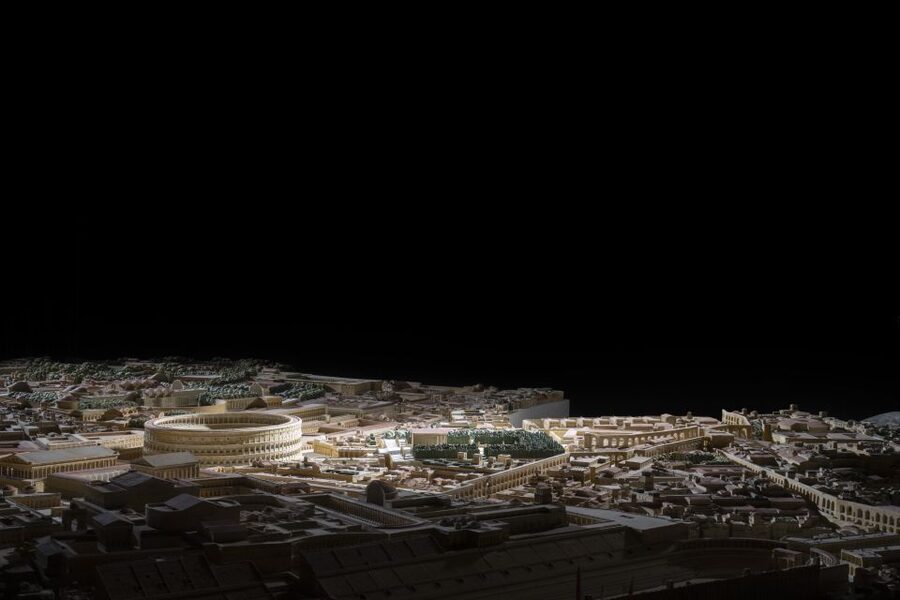
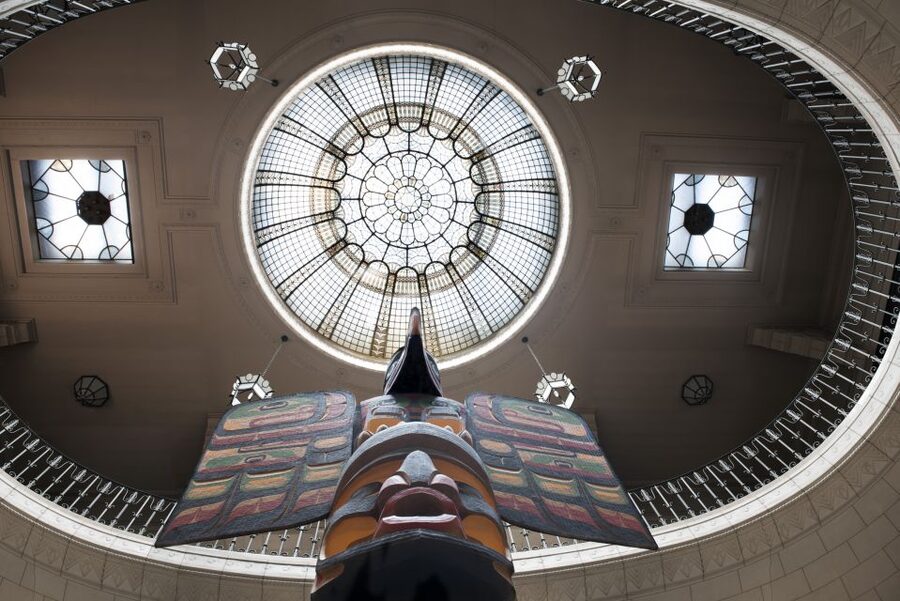
The non-European collections include the Islamic world, India, and China, along with treasures from other civilizations in Asia and the Americas. This is one of the ticket’s strongest features because it prevents the museum from becoming only a European history lesson.
The Asian galleries let you change your visual rhythm. After rooms filled with European archaeology or classical forms, Asian sculpture and religious art offer different approaches to the human figure, worship, decoration, and space. The Asian Buddhas are a natural focal point, but try not to treat them as a single repeated subject. Their forms and settings can help you see how religious art varies across cultures.
The Islamic world, India, and China each add their own frame of reference. The information provided does not promise a particular guided route or special exhibition, so the exact displays may vary over time. Still, the permanent collection format makes this a useful place to broaden your visit beyond the ancient Mediterranean.
The American holdings also widen the picture, although the museum’s four main groupings remain the practical way to understand the building: ancient history, national archaeology, European decorative arts, and non-European civilizations.
I would place these galleries either after the ancient sections or before the European decorative arts. That order keeps the day varied. If you are visiting with children, use the change of culture and color as a reason to pause rather than treating this area as an optional add-on.
Cinquantenaire Park Makes a Natural Break
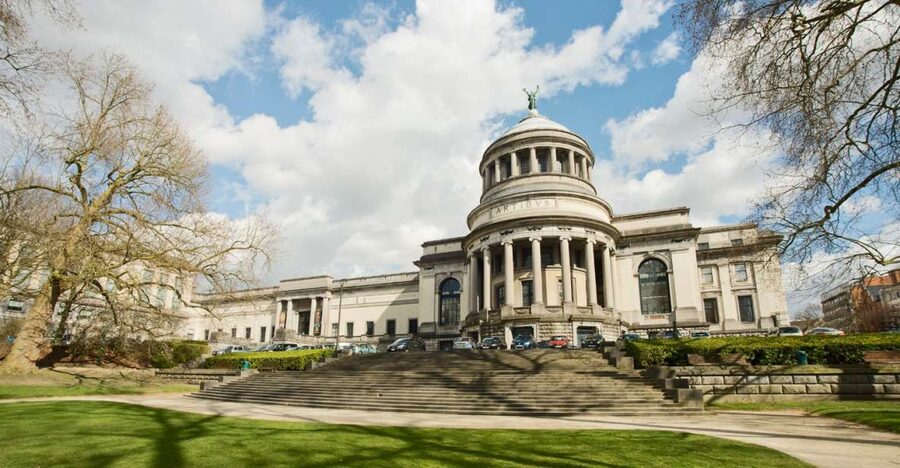
The museum sits in Parc du Cinquantenaire, so you do not need to search for a separate sightseeing stop when you need fresh air. An impromptu picnic in the park is one of the simplest ways to improve the day.
This matters because the museum is large. A full-day ticket does not mean you should stay indoors for every hour. You can break the visit into two sessions, eat outside, and return with more attention for the rooms you skipped earlier.
The park also gives you a chance to appreciate the building from outside. The classical architecture provides a strong setting for the collections, and the open space creates a welcome contrast to the dense galleries.
Bring food only if that suits your plans, since the activity information specifically points to the park as a picnic option but does not include a meal. Think of it as flexibility, not a scheduled part of the ticket.
The $11 Ticket and What You Actually Get
At $11 per person, this is a reasonable price for a museum that can fill a day. You are paying for entry to a very broad collection, not for a guided experience, private access, or a meal.
The value is strongest if you enjoy choosing your own route. You can focus on Egypt and Rome, spend more time with Belgian archaeology, or make the non-European collections the center of your visit. A shorter visit still works, but the one-day validity gives you room to return after a break.
The skip-the-ticket-line feature can also save useful time, particularly if the entrance area is busy. It does not remove the need to find the correct doorway, however. The entrance is not beside Autoworld. Walk around the corner to the other side of the building and follow the signs.
If you have a Brussels Museum Pass, compare the pass benefits with this separate $11 ticket before booking. The supplied information includes a case where a pass holder paid €8 that may not have been necessary. That is a small but avoidable cost.
You can cancel up to 24 hours before the visit for a full refund, and the reserve-now, pay-later option makes this easier to fit into an uncertain Brussels schedule. Wheelchair access is available. Flash photography is not permitted.
Getting to the Entrance at Cinquantenaire
The closest train stations are Merode and Schuman. Schuman is also the nearest metro stop, while Brussels Central Station connects to the museum by metro.
For buses, routes 22, 27, and 80 stop at Galliërs, and bus 61 stops at Merode. Trams 81 and 82 also stop at Merode.
The practical point is to allow a few extra minutes after arriving. The building is large, and the museum entrance is on the side away from Autoworld. Follow the signs rather than assuming the most visible doorway is the correct one.
Because the ticket is valid for one day and starting times depend on availability, check the available time before you set your Brussels schedule. The ticket is flexible in length, but you still need to arrive during the selected availability window.
Who Will Get the Most From This Visit
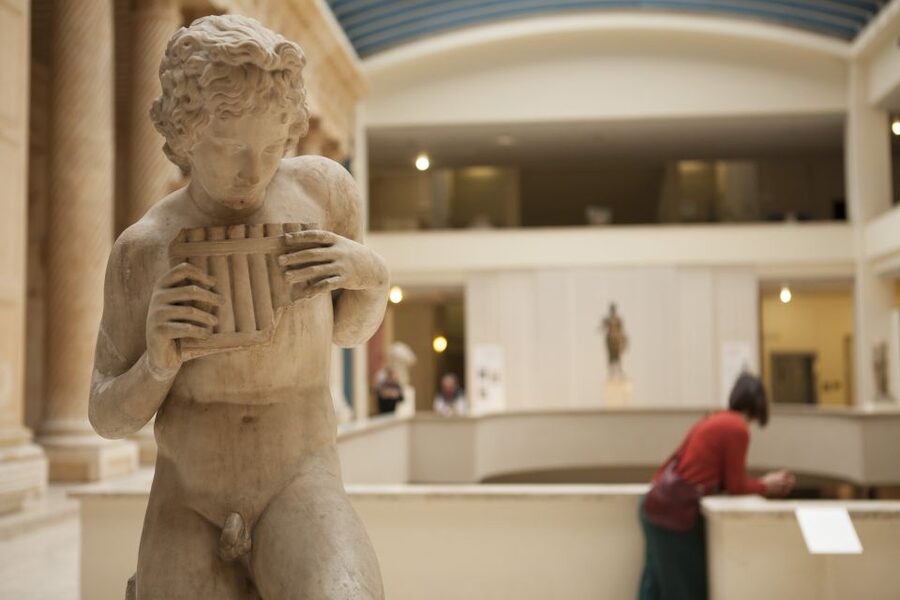
I would choose this museum for anyone who wants a broad cultural visit without buying several separate tickets. It suits families, first-time visitors to Brussels, and people who enjoy moving between archaeology, art, religion, and design.
It is also a good rainy-day plan. You can spend hours indoors, then use the park for a break when the weather allows. The range keeps the day from depending on one famous object.
You may prefer a smaller specialist museum if you want a tightly focused story or a guided explanation at every stop. This ticket gives you choice, but choice can become tiring in such a large building. Pick two or three priority sections before you enter.
Should You Book the Museum Art & History Ticket?
Book it if you want variety, flexibility, and good value near Brussels’ Cinquantenaire Park. The model of Roma, Egyptian mummies, Belgian archaeology, Asian Buddhas, and Art Nouveau give you several strong reasons to visit, while the park makes it easy to split the day.
Skip it if you want a short, highly focused museum or a guided tour with a named expert. Also check your Museum Pass first, since you may already have access. For most independent visitors, though, the $11 price is fair, especially if you plan to spend several hours and use the one-day validity well.
FAQ
How much does the Museum Art & History ticket cost?
The ticket costs $11 per person.
How long is the ticket valid?
The ticket is valid for one day.
Is the visit guided?
The included service is an entry ticket. No guide name or guided tour is specified.
Can I skip the ticket line?
Yes. The activity includes skip-the-ticket-line access.
Is the museum wheelchair accessible?
Yes, the museum is wheelchair accessible.
Where is the museum entrance?
The entrance is on the other side of the building from Autoworld. Walk around the corner and follow the signs.
Which public transport stops are closest?
Schuman is the nearest metro stop. Merode and Schuman are nearby train stations. Buses 22, 27, and 80 stop at Galliërs, bus 61 stops at Merode, and trams 81 and 82 stop at Merode.
Can I cancel the ticket?
Yes. You can cancel up to 24 hours in advance for a full refund. You can also reserve now and pay later.
Just added around Brussels
- Standard vehicle from Brussels airport to city of Antwerp★ 5.0 · 4 reviews
- Private transfer from BRU Airport to Brussels city with luxury limousine 3 pax★ 4.5 · 8 reviews
- Luxury vehicle from Brussels airport to the city of Brussels★ 4.0 · 5 reviews
- Transfer Brussels Airport –> City MB E Class 1-3 PAX (ONE WAY)★ 5.0 · 6 reviews
- PRIVATE MPV TRANSFER FROM/TO BRUSSELS AIRPORT (Max 6 pax) ONE-WAY★ 5.0 · 4 reviews
- Transfer Brussels Airport (BRU) –> City Center 7 PAX (ONE WAY)★ 5.0 · 7 reviews
- Transfer Brussels Airport –> Brussels MB V Class 7 PAX (ONE WAY)★ 5.0 · 4 reviews
- Waterloo Private Battlegrounds Tour with Lion Hill★ 4.5 · 9 reviews
Historical Tours, compared.

Historical Walking Tour with Chocolate & Waffle Tasting
Read our review →THE Storytelling Tour of Bruges | First Day Must | History & Tips
Read our review →
Historical Tour with Chocolate & Waffle Tasting
Read our review →
Historical Walking Tour: The Story of Bruges – by Legends
Read our review →
Browse the lists this tour appears in