
Reviewed · HISTORICAL TOURS
Private Antwerp’s Diamonds and Jewellery Old City Center Historic Tour
Antwerp’s diamond story begins away from the famous Central Station district. This private walk traces the older trade routes through the medieval center, from DIVA to the guild streets where merchants, goldsmiths, and early diamond cutters once worked. The most memorable stop is likely Pascale Masselis’s atelier, where you can see handmade 18-carat gold jewellery and hear how old pieces can be redesigned.
I like the way the tour joins local history with working artists rather than sending you from one shop window to another. I also like the private format: your guide can adjust the pace, explain details for children, or spend more time on design, trade, or architecture, depending on your interests.
The main consideration is simple: this is a historical old-center tour, not a visit to Antwerp’s present-day diamond district and not a diamond-cutting demonstration. One past customer expected more jewellers and diamantaires, so set your expectations correctly. The focus is on the city’s earlier jewellery trade and today’s independent designers.
In This Review
- Key details before you book
- Antwerp’s diamond story starts at DIVA
- Grote Markt and the first trade fairs
- Wisselstraat and the less shiny side of business
- Saint Paul’s Church and its silver treasures
- Zwartzustersstraat and the vanished shopping street
- Zirkstraat and Antwerp’s early diamond cutters
- Inside Pascale Masselis’s working atelier
- Lange Koepoortstraat and the goldsmiths’ guild
- Wijngaardstraat and four very different design voices
- Rembrandt Jodan’s art, gallery, and jewellery space
- What the private format adds
- Price, timing, and weather considerations
- Who will enjoy this walk most
- Should you book Antwerp’s Diamonds and Jewellery Old City Center Historic Tour?
- FAQ
- Where does the tour start?
- Where does the tour end?
- How long does the tour last?
- Is the tour private?
- Is DIVA admission included?
- Is the tour offered in English?
- Does the tour include a visit with diamond cutters?
- What is the cancellation policy?
Key details before you book
- A private two-hour walk: Your group alone joins the tour, with a maximum of 15 people.
- The tour starts at DIVA: The museum visit is not included, but the guide uses its location to introduce Antwerp’s diamond and jewellery story.
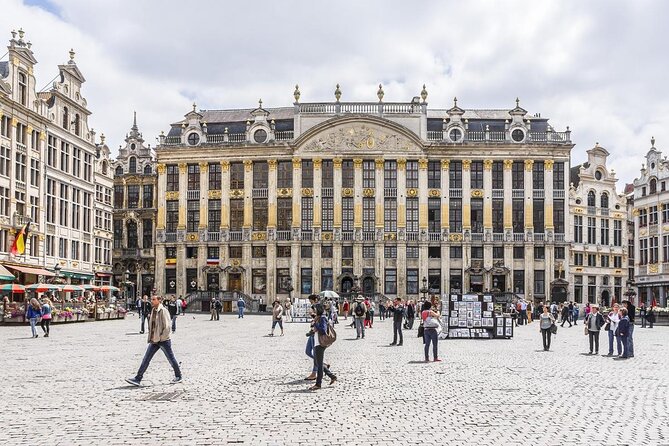
- You visit an actual atelier: Pascale Masselis works with 18-carat gold and makes each piece by hand in her own studio.
- The old center is the main subject: Grote Markt, Wisselstraat, Zirkstraat, and the former goldsmiths’ quarter provide the historical setting.
- Several designers appear in Wijngaardstraat: You learn about different approaches to gold, silver, wedding rings, and modern jewellery.
- Price works best for a group: At $234.93 per group, the cost is easier to justify with several people sharing it than for a solo visitor.
Antwerp’s diamond story starts at DIVA
Meet your guide outside DIVA, the museum of diamonds, jewellery, and silverwork, at Suikerrui 17/19. This is a smart starting point because the museum gives the subject a clear home base, even though museum admission is not part of the walking tour.
Your guide begins with Antwerp’s connection to diamonds and jewellery, then leads you into the surrounding streets. Guides named in past bookings include Margaret, Viviane, Catherine, Maria, and others. The strongest pattern is a warm, personal style, with guides adjusting explanations to the interests of the group.
DIVA is worth returning to after the walk. It houses exhibitions on diamonds, jewellery, and silversmithing, so you can use the tour as an introduction and the museum as a more structured follow-up. Check opening arrangements before building your day around it, since one booking took place when the museum was closed.
A few more Antwerp trips to weigh up
- Historical Walking Tour: Legends of Antwerp
★ 5.0 · 1,837 reviews - Antwerp: Historical Walking Tour in the Old City
★ 4.8 · 373 reviews - Private tour: Highlights & History of Antwerp
★ 5.0 · 299 reviews
Grote Markt and the first trade fairs
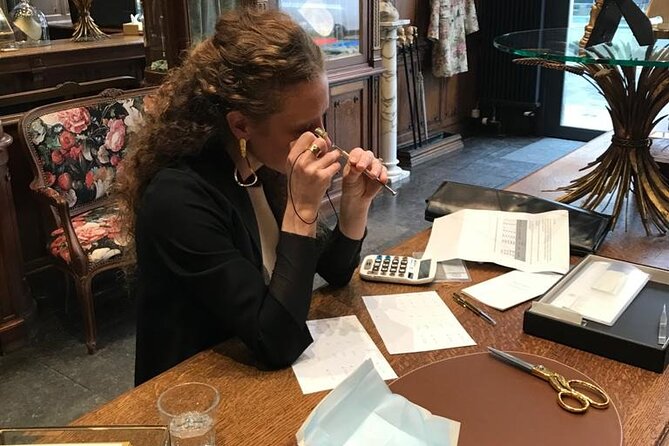
At Grote Markt, Antwerp’s diamond story shifts from craft to commerce. During the city’s annual fairs, foreign merchants came to buy and trade gems and jewellery. Your guide explains how these gatherings helped connect Antwerp with international trade.
This stop is brief, about 10 minutes, but it gives the tour a useful starting point. You are not simply learning that Antwerp is linked with diamonds. You are hearing how fairs, merchants, money, and skilled craftspeople helped create that reputation.
The square is also a practical place to orient yourself in the old center. If you have only seen Antwerp through its grand landmarks, this explanation adds an economic layer to the buildings around you. The city’s jewellery story was shaped by trade as much as by artistry.
Wisselstraat and the less shiny side of business
The walk continues to Wisselstraat. The name refers to exchange, since foreign buyers once changed money here. This stop also covers the origin of the word bankrupt, a reminder that historic commerce involved risk as well as wealth.
I like this part because it keeps the story grounded. Diamonds and gold can sound glamorous, but trading depended on credit, currency, trust, and failure. A short explanation here makes the business side easier to understand without turning the tour into a lecture.
The stop lasts about 10 minutes and takes place outdoors. If you prefer jewellery design to commercial history, this is one of the places where a private guide helps. You can ask for more context or keep the walk moving.
Saint Paul’s Church and its silver treasures
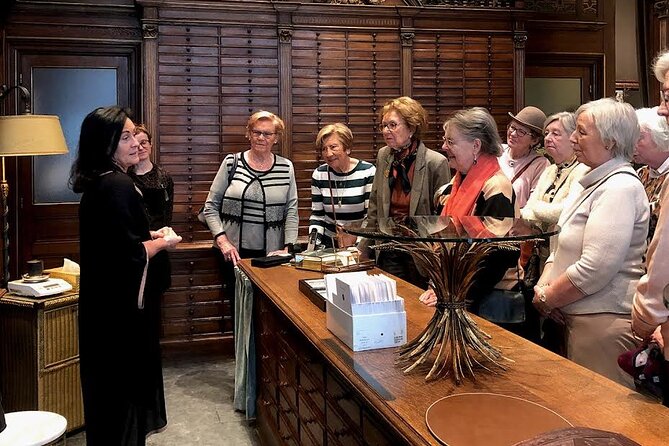
Saint Paul’s Church brings religious art into the story. The church has long associations with silversmithing and jewellery, and its treasury is described as containing more than 3,000 diamonds.
The planned visit is about 15 minutes, with free admission. That makes it one of the more substantial historical stops on the route, though access and viewing conditions can depend on the church’s opening arrangements.
You should not think of this as a full church tour. Instead, it shows how precious materials served religious purposes as well as private ones. Silverwork, goldwork, and stones were part of Antwerp’s artistic and devotional life, not only its commercial identity.
One guide, Viviane, added an impromptu visit to Antwerp Cathedral for a booking, and that was warmly appreciated. Treat that as a possible guide-led extra rather than a guaranteed part of the route. The listed tour ends elsewhere and does not include cathedral admission.
Same old town, a completely different kind of day:
- Antwerp: City Highlights Walking Tour
★ 4.7 · 816 reviews - Antwerp: City Highlights Guided Bike Tour
★ 4.7 · 529 reviews - Guided Bike Tour: 2 Hours Highlights of Antwerp
★ 5.0 · 347 reviews - Historical Walking Tour in Antwerp Old City
★ 5.0 · 277 reviews
Zwartzustersstraat and the vanished shopping street
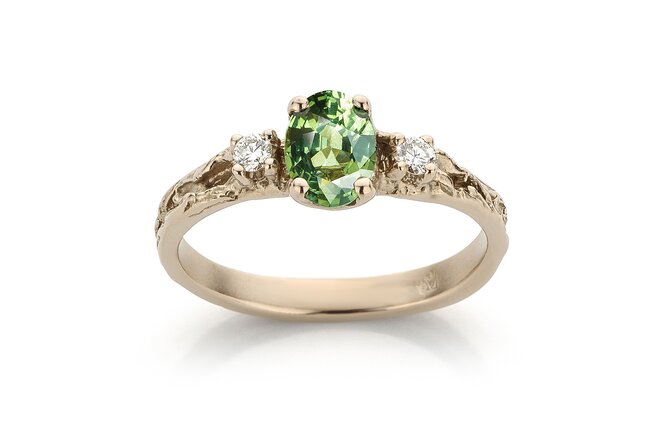
Zwartzustersstraat is a good example of how a city can lose the visible signs of its old trades. It was once a busy shopping street, with jewellery shops on the ground floor and diamond-cutting ateliers above.
Today, you may not immediately see that past. That is exactly why the stop matters. The guide helps you read the street as a former workplace, not just a pretty lane between larger sights.
The tour spends about 10 minutes here. It is also a useful correction to a common assumption: Antwerp’s diamond activity was not always concentrated in the district around the central station. The old center had its own network of sellers, makers, and buyers.
Zirkstraat and Antwerp’s early diamond cutters
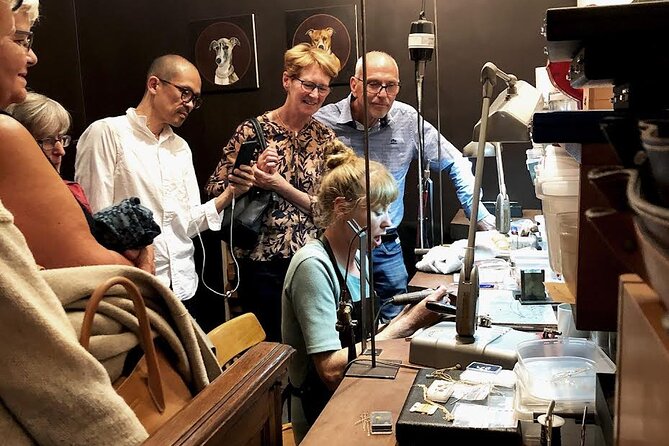
Zirkstraat is linked with the first diamond cutter who lived there in the 15th century. The guide uses this street to explain the development of diamond cutting and its place in Antwerp’s past.
This is historical interpretation, not a live cutting lesson. You should not expect to sit beside a cutter or watch a stone being shaped. The value lies in connecting a real street with a craft that later became central to Antwerp’s international image.
The stop takes around 10 minutes. If diamonds interest you mainly as a business, this is an important link between the city’s early artisans and its later trading reputation.
Inside Pascale Masselis’s working atelier
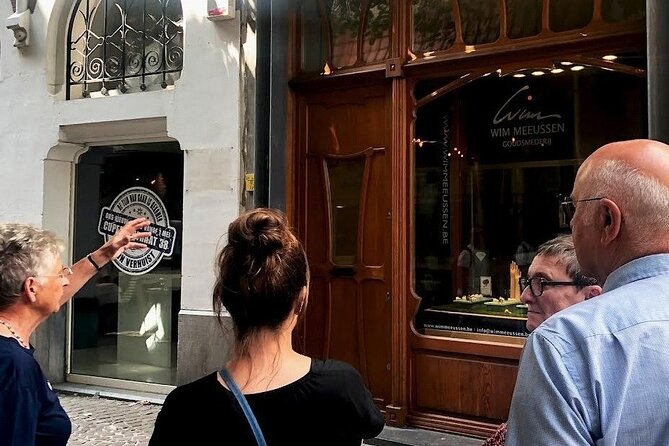
For many people, Pascale Masselis is the tour’s clearest connection with contemporary jewellery making. Masselis graduated from Antwerp’s Royal Academy in 1983 and works exclusively with 18-carat gold. Each piece is unique and handmade in her own atelier.
The visit lasts about 15 minutes and is free. The appeal is not just the chance to see finished jewellery. You can learn how an independent designer works, why handmade pieces differ from standard retail stock, and how a jeweller can give an old, outdated piece a new life.
Masselis also takes special orders. Her atelier can transform existing jewellery into a more modern design, which gives the visit practical value if you have inherited or seldom-worn pieces at home. You are not required to buy anything, and the tour is better understood as a look at a creative workshop than a shopping trip.
This is the stop most clearly supported as an atelier visit. The tour description also includes designer studios and independent boutiques, but the exact access to each space can vary. One disappointed customer expected visits with more jewellers and diamond cutters. The provider clarified that the historic focus is the old center and that there are no diamond cutters included in the tour.
Lange Koepoortstraat and the goldsmiths’ guild

Lange Koepoortstraat once held the nation house of Antwerp’s silver- and goldsmiths. Your guide explains why such a guild headquarters was needed and how the goldsmiths organized their trade.
The word nation house can sound obscure, but the idea is practical. Craftspeople needed rules, professional standards, and a way to protect the standing of their work. This stop helps explain how jewellery making functioned as a regulated craft rather than a collection of unrelated workshops.
It is another short stop, about 10 minutes, but it adds useful structure to the walk. After hearing about merchants and artisans, you get a clearer picture of the institutions behind the trade.
Wijngaardstraat and four very different design voices
Wijngaardstraat is one of the tour’s strongest sections. This picturesque street has five jewellers, each with a different approach to materials, technique, and style. The planned time is about 20 minutes, followed by another 20-minute visit to Rembrandt Jodan’s space.
Gerda De Vrij studied in Pforzheim under Klaus Ullrich, an early figure in modern jewellery. She later opened an atelier in Antwerp with her husband, Emile Henry, and the next generation joined the business. The story gives you a look at how a jewellery studio can continue across a family.
Wim Meeussen is known for jewellery and wedding rings. His nearby silver-jewellery location offers a more accessible price range, so the street illustrates how a recognizable design approach can reach different budgets.
Hanne Schoofs keeps testing new techniques, which makes her work an example of jewellery as an evolving art rather than a fixed tradition. Eva Crauwels has worked as an independent goldsmith for more than 15 years, with a retro-romantic collection and a notably feminine feel.
You will not have time for a full shopping appointment at every address. The point is comparison. In a small area, you can see how family tradition, wedding jewellery, experimental methods, and romantic design occupy different corners of the same profession.
Rembrandt Jodan’s art, gallery, and jewellery space
The final stop is at Wijngaardstraat 18, where artist and goldsmith Rembrandt Jodan combines an art gallery, atelier, and jewellery shop. This mixed space gives the tour a fitting ending because it blurs the line between object, artwork, and craft.
You can expect a short introduction to Jodan’s multidisciplinary work rather than a full gallery visit. The listed time is about 20 minutes, and the tour ends here.
Ending in a working creative space also keeps the walk focused on people making things now. You begin with Antwerp’s older trade routes and finish with an artist whose work links jewellery to a wider practice.
What the private format adds
A private booking is useful here because the subject can easily become too broad. In two hours, you move from medieval trade to guild organization, church silverwork, modern goldsmithing, and independent design. A guide can decide which thread deserves more attention.
The maximum group size is 15, but the price is per group, not per person. At $234.93, a full group pays roughly $15.66 each. A couple pays much more per person, so the value depends on how much you care about having a guide dedicated only to your party.
Families can make good use of the format. One successful booking included children aged 12 and 17, and the guide kept them engaged while covering less touristy parts of Antwerp. If your group includes mixed interests, mention them at the start. A good guide can use the jewellery subject as a way into city history, trade, architecture, or design.
The tour is offered in English. It runs for about two hours and covers several old-center streets, so comfortable walking shoes are sensible. Most people can participate, service animals are allowed, and the starting point is near public transportation.
Price, timing, and weather considerations
The tour costs $234.93 per group of up to 15 people. I see reasonable value when three or more people share the fee, especially if you want a personal guide and an atelier visit. For one person or a couple, it is a premium walk, and you should decide if the specialized subject justifies the cost.
It is booked, on average, 42 days ahead, which suggests you should reserve early if your Antwerp dates are fixed. Confirmation is sent within 48 hours, subject to availability.
Free cancellation applies up to 24 hours before the start time. The experience requires good weather, and if poor weather causes cancellation, you are offered another date or a full refund. Since much of the experience takes place outdoors, this policy matters more here than it would for a museum-only activity.
Who will enjoy this walk most
I would choose this tour for you if you like city history told through streets and working people. It is especially useful if you want more than the usual Antwerp highlights and would enjoy meeting or seeing independent jewellery makers.
It also suits:
- Families with older children who can follow a two-hour walking tour
- Shoppers interested in handmade gold, silver, wedding rings, or custom work
- Design students and art fans
- Repeat visitors who have already seen the central sights
- History-minded people curious about guilds, money exchange, and old trades
I would not choose it if your main goal is to visit Antwerp’s current diamond district, watch stones being cut, or compare large diamond dealers. The tour does not include diamond cutters, and its subject is the old city center before the diamond district moved toward Central Station in 1905.
Should you book Antwerp’s Diamonds and Jewellery Old City Center Historic Tour?
Book it if you want a compact, private introduction to Antwerp’s jewellery past and present, with real attention paid to independent makers. The most useful parts are the street-based history, Pascale Masselis’s atelier, and the concentration of different designers in Wijngaardstraat.
Skip it if you expect a sales-free diamond-cutting demonstration or a tour of the modern diamond district. Before booking, think of this as an old-city craft and history walk with selected studio access. Add DIVA afterward if it is open, and tell your guide at the start if you care most about design, trading history, family-friendly stories, or shopping.
FAQ
Where does the tour start?
The tour starts in front of DIVA, the museum of diamonds, jewellery, and silverwork, at Suikerrui 17/19 in Antwerp.
Where does the tour end?
It ends at Rembrandt Jodan’s space at Wijngaardstraat 18, Antwerp.
How long does the tour last?
The tour lasts approximately two hours.
Is the tour private?
Yes. Only your group participates, with a maximum of 15 people.
Is DIVA admission included?
No. Admission to DIVA is not included. The museum is recommended as a separate visit after the walking tour.
Is the tour offered in English?
Yes. English is the listed language.
Does the tour include a visit with diamond cutters?
No. The tour focuses on the historic old-center jewellery trade and contemporary designers. It does not include diamond cutters.
What is the cancellation policy?
You can cancel up to 24 hours before the start time for a full refund. Changes or cancellations made less than 24 hours before the start time are not accepted for a refund. If poor weather causes the tour to be canceled, you are offered another date or a full refund.
Just added around Antwerp
- Discover Antwerp while playing! Escape game – The alchemist★ 4.5 · 4 reviews
- Antwerp Private Custom Walking Tour With A Guide (Private Tour)★ 4.5 · 12 reviews
- Discover Antwerp with this Outside Escape city game tour!★ 5.0 · 4 reviews
- Private Tour in Antwerp, Belgium with a Local Guide★ 5.0 · 11 reviews
- Landed On Time 60 min. Max 1 Person★ 4.0 · 5 reviews
- Exciting Murder Mystery – Interactive city walk in Antwerp★ 3.5 · 12 reviews
- Guided E-kickscooter tour: The big five of Antwerp★ 5.0 · 3 reviews
- Antwerp Pub Crawl★ 5.0 · 8 reviews
Historical Tours, compared.
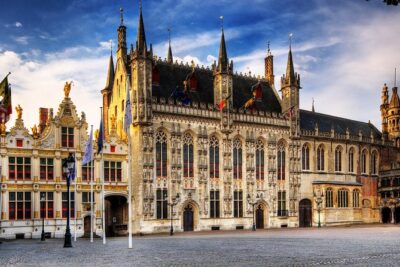

Historical Walking Tour with Chocolate & Waffle Tasting
Read our review →THE Storytelling Tour of Bruges | First Day Must | History & Tips
Read our review →
Historical Tour with Chocolate & Waffle Tasting
Read our review →
Historical Walking Tour: The Story of Bruges – by Legends
Read our review →
Browse the lists this tour appears in