
Reviewed · WALKING TOURS
Best of Gent: Private Walking Tour with a Local
Ghent reveals itself best on foot, and this private walk gives you room to shape the day around what you care about. You can focus on medieval sights, canals, local food, cafés, or the city’s creative side instead of following a fixed script. Gravensteen Castle, St. Bavo’s Cathedral, and the guild houses along the water form the classic route, while Patershol and smaller local stops add character.
I like the private format, since you can ask questions freely and set the pace for your own group. I also like the flexible length: two hours can cover the main center, while up to six hours allows for a slower walk with more local suggestions. The main consideration is that this is a friendly local experience, not a formal history tour with a certified guide, and food, transport, and entrance fees cost extra.
In This Review
- Key points to know before you book
- Why a private walk works well in Ghent
- Korenmarkt gives you a strong starting point
- Gravensteen Castle brings the medieval setting to life
- St. Bavo’s Cathedral adds art and old-city atmosphere
- Graslei and Korenlei show Ghent at its most photogenic
- Patershol offers a quieter change of pace
- St. Michael’s Bridge delivers the best skyline view
- A two-hour walk or a full six-hour outing?
- What the local guide can and cannot provide
- Price, extras, and the value of private time
- Who will get the most from this experience?
- Should you book this Ghent walking tour?
- FAQ
- Where does the tour start and finish?
- How long does the walking tour last?
- Is the tour private?
- What language is the tour offered in?
- Are attraction tickets included?
- Is food or drink included?
- Is the tour wheelchair accessible?
Key points to know before you book
- Start at Korenmarkt: Meet in the heart of central Ghent, then finish back at the same meeting point.
- Choose the focus: Ask for medieval sights, local culture, cafés, food advice, canals, or less familiar streets.
- Expect a private group: No unrelated people join your walk, which makes the pace and questions more personal.
- Plan for two to six hours: A short version covers the center, while a longer walk gives the guide time to follow your interests.
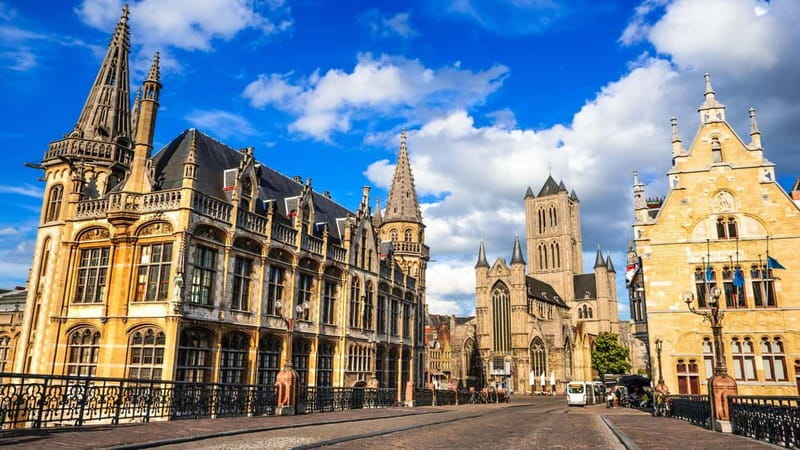
- See Ghent’s signature views: The route can include Graslei, Korenlei, St. Michael’s Bridge, and the skyline around the old center.
- Guide style matters: Caio is one named guide associated with the experience, and his ability to handle questions across different topics is a useful sign for curious guests.
Why a private walk works well in Ghent
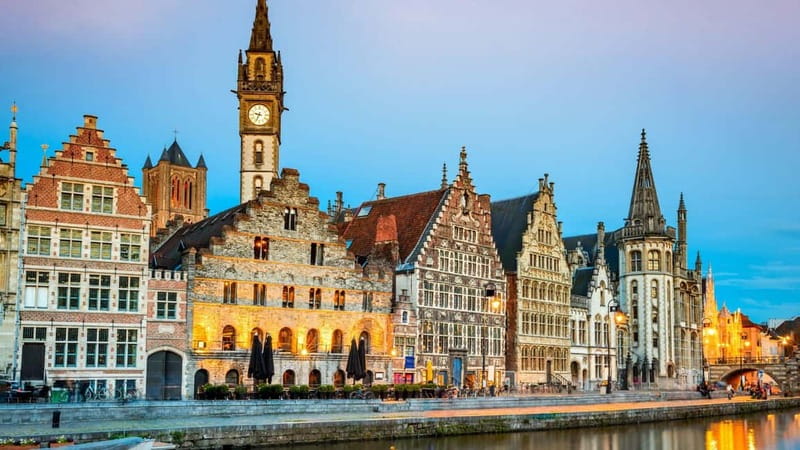
Ghent is compact enough to explore on foot, but its many layers can blur together on a first visit. One street shows medieval guild houses, the next opens onto a canal, and a quiet lane leads toward cafés and small shops. A local guide helps you connect these places without forcing you into a large group’s timetable.
The private setup is the biggest practical advantage. You can pause for a photograph, ask why a building matters, or shift the plan when a neighborhood catches your attention. If you are traveling with children, older relatives, or anyone who dislikes a rushed schedule, that freedom has real value.
You also get a tour centered on present-day Ghent, not only dates and rulers. The guide can point out places for Belgian specialties, explain local habits, and suggest where to return later. That makes this more useful as an opening walk than as a formal lecture.
The experience is offered in English, and the listed price is $55 per person. For a private walk, that can be fair value if your group wants personal attention and local orientation. It is less attractive if you want a low-cost sightseeing route or a detailed account of every major monument.
A few more Ghent trips to weigh up
- Historical Walking Tour: Legends of Gent
★ 5.0 · 1,761 reviews - Ghent: Belgian Chocolate Walking Tour with Tastings
★ 4.9 · 259 reviews - Gastronomic Walking Tour of Gent – Tasters included
★ 5.0 · 199 reviews
Korenmarkt gives you a strong starting point
The meeting point at Korenmarkt puts you directly in central Ghent. This is a practical place to begin because the major sights, canals, bridges, and old streets are close enough to connect on foot.
Your guide can use the square to help you get your bearings before the walk moves into the historic center. This matters more than it may sound. Ghent’s center has several major landmarks close together, and knowing how the streets relate to one another will make the rest of your visit easier.
The tour ends back at Korenmarkt, so you do not need to arrange a separate ride from an unfamiliar neighborhood. You should still arrive on time, since a private schedule is easier to disrupt than a large group departure.
Gravensteen Castle brings the medieval setting to life
Gravensteen Castle is one of the clearest symbols of Ghent’s medieval past. Its heavy stone walls and defensive shape give the center a strong sense of place, especially when you see it alongside the city’s canals and old houses.
A guide can give you context for the castle and explain how it fits into Ghent’s story. Keep your expectations measured, though. The tour is designed around local culture and practical insight rather than a detailed historical lesson.
The castle may be viewed from outside as part of the walk. If you decide to enter, admission is not included, and you are expected to cover the guide’s entry cost as well. That rule is worth remembering when you plan your budget. The walk itself may be reasonably priced, but paid sights can add to the total.
St. Bavo’s Cathedral adds art and old-city atmosphere
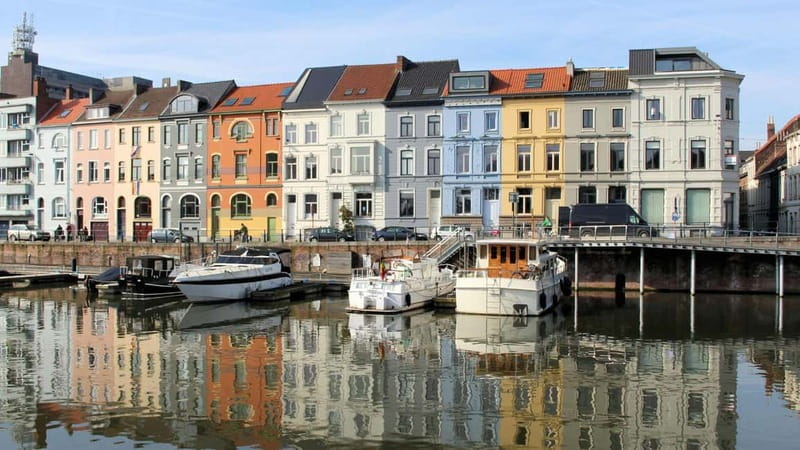
St. Bavo’s Cathedral is another major stop in the central area. Its scale and long connection to Ghent make it an important counterpoint to the castle. Here, the focus shifts from fortification to religious architecture and the city’s artistic identity.
The exact amount of time spent at the cathedral depends on your interests and the length you select. A two-hour walk may keep the visit brief, while a longer booking gives you more room to ask questions or decide if you want to explore a paid interior attraction.
If you want a thorough art or church-history tour, say so when arranging the experience. The advertised format does not promise a specialist lecture. It is better suited to a broad introduction, with the chance to follow up on the subjects that catch your attention.
Same old town, a completely different kind of day:
- Ghent: 50-Minute Medieval Center Guided Boat Trip
★ 4.5 · 5,637 reviews - Ghent: 40 Minute Medieval Center Guided Boat Tour
★ 4.4 · 884 reviews - Evening Tour of the Dark Side of Gent
★ 5.0 · 646 reviews - Ghent Bike Tour Off-the-beaten-track
★ 5.0 · 505 reviews
Graslei and Korenlei show Ghent at its most photogenic
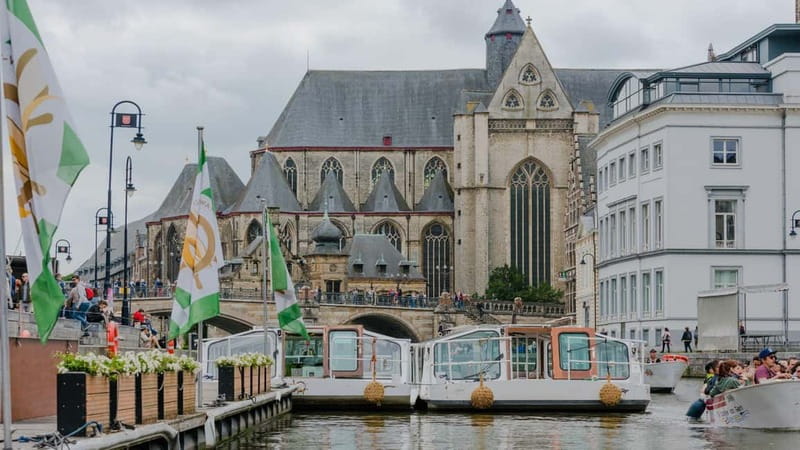
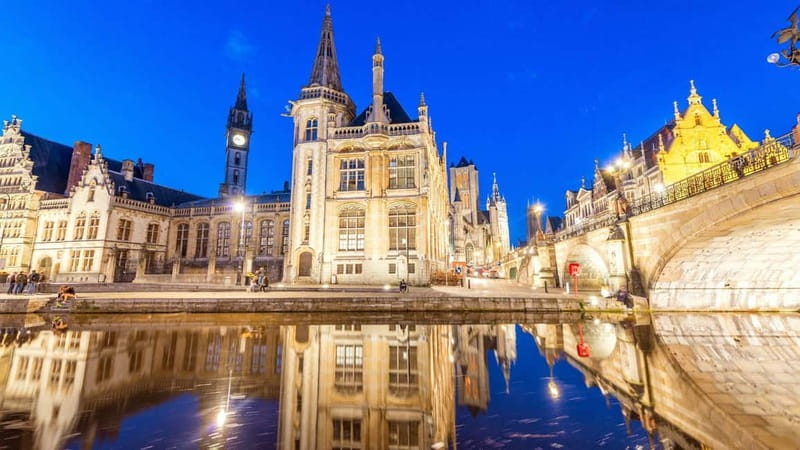
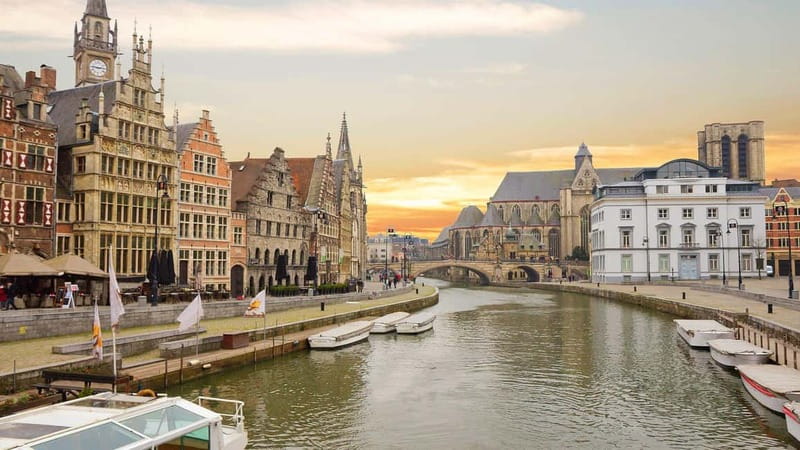
The canal-side stretch of Graslei and Korenlei is likely to be one of your favorite parts of the walk. Historic guild houses line the water, and their façades create the classic Ghent view reflected in the canal.
This is a good place to slow down. You can take photographs, compare the buildings, and listen to the guide explain what makes the waterfront important. The setting also helps you see how commerce shaped the old city, even if the tour does not provide a full academic account.
The canal area can feel more public and popular than Patershol or smaller side streets. That is not a flaw, since these views are central to Ghent’s appeal, but it means this portion may feel familiar from photographs. The private guide adds value by helping you notice details instead of simply pointing you toward the water.
Patershol offers a quieter change of pace
Patershol brings a different mood. This district is described as a local favorite with cozy cafés and small boutiques, and it gives the walk a break from the grand landmarks.
I would pay attention here if you want recommendations for an evening meal, a coffee stop, or a place to browse after the tour. Your guide can share personal suggestions, which may be more useful than a generic list of restaurants.
The experience does not include food or drinks, so any stop you make is at your own expense. That keeps the tour flexible, but you should not book it expecting tastings or a meal. Think of Patershol as a place to learn where you might return later.
St. Michael’s Bridge delivers the best skyline view
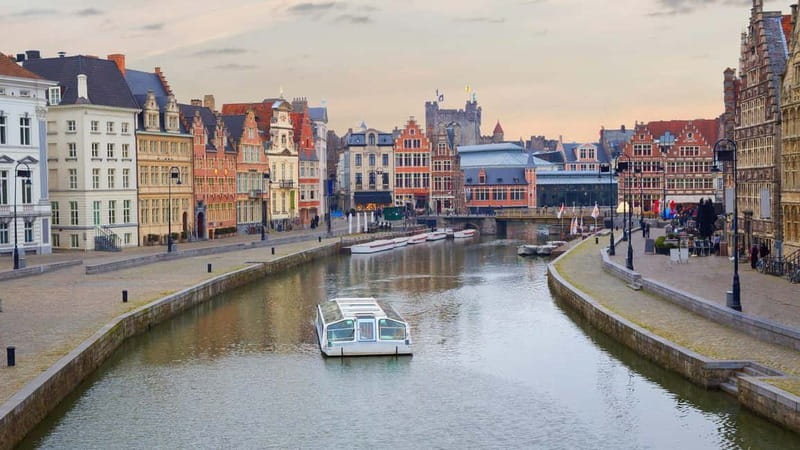
The walk across St. Michael’s Bridge is one of the most useful orientation moments in the tour. From here, you can take in the city’s skyline and see several important buildings in relation to one another.
The bridge is also a fine place for photographs, especially when the city is illuminated. The view helps explain why Ghent can feel both grand and intimate: major towers and historic roofs rise close together, while the canals keep the scene open.
This stop is best enjoyed without rushing. A private guide can give you time to look, ask questions, and frame photographs. If your group is sensitive to walking distance or standing time, mention that in advance. The activity is wheelchair accessible, and special needs should be communicated at least three days ahead.
A two-hour walk or a full six-hour outing?
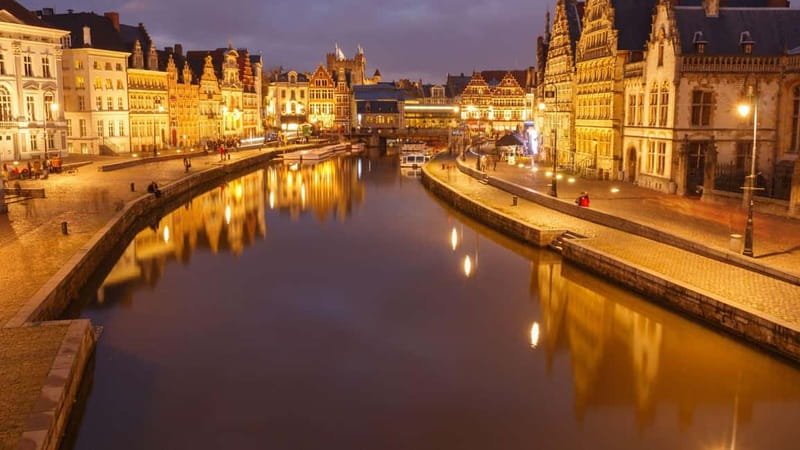
The two-hour option makes sense if you have only a short window in Ghent or want a quick introduction before exploring alone. You can expect the central landmarks and main canal views to take priority.
The longer option is better for travelers who want the city to unfold at a calmer pace. Six hours gives you room to spend more time in Patershol, seek out lesser-known streets, stop for a drink, or discuss food and local life. It may also suit a group with varied interests, since the guide can give each person some attention.
Do not choose six hours simply because longer sounds better. Walking for most of a day takes energy, and some groups will get more from a focused two or three-hour route followed by independent exploring. Comfortable shoes are essential.
The flexible schedule is a strong feature, but it requires clear communication. Tell the guide what you want to see and how much walking feels right. The more specific you are, the more useful the private format becomes.
What the local guide can and cannot provide
The guide is a friendly resident rather than a certified professional tour guide. That distinction sets the right expectations. You are paying for a personal introduction, local suggestions, and an easy conversation, not for official guiding credentials or a fully researched lecture at every stop.
That can be an advantage if you prefer relaxed conversation. The guide may help you understand how the city feels today, where locals spend time, and which places suit your interests. You can ask about food, neighborhoods, customs, or practical ways to get around.
One named guide, Caio, received especially strong praise for handling questions well, including questions that moved into another topic. That detail matters if you like to ask as you walk. A guide who can follow your curiosity is more useful than one who delivers a rigid speech.
The tradeoff is depth. If you want extensive facts about medieval politics, church art, or architecture, you may need a specialist tour or a paid visit with its own detailed interpretation. This walk is intentionally broader and more casual.
Price, extras, and the value of private time
At $55 per person, the price should be judged against the private format and the range of two to six hours. For a small group that wants a custom route, the cost can be reasonable, especially if you use the time to get both sightseeing and practical advice.
For a solo visitor or a couple on a tight budget, it may feel expensive compared with a self-guided walk. Ghent’s center is walkable, and you can see many exterior sights without paying admission. The tour earns its keep through conversation, route planning, and local perspective.
Budget separately for food, drinks, transportation, paid attractions, souvenirs, and other personal purchases. If you enter an attraction with the guide, you also cover the guide’s ticket. None of those extras are part of the listed tour price.
The reserve-now, pay-later option is helpful if your plans are still moving. You can also cancel up to 24 hours ahead for a full refund. Those terms reduce the risk of booking early, but you still need to check the available start times for your date.
Who will get the most from this experience?
I would recommend this walk to first-time visitors who want to understand Ghent quickly without being tied to a large group. It also suits families, couples, and friends who want to ask questions in a natural way.
It is a good choice if you care about:
- Seeing the main old-center sights in one connected walk
- Finding cafés, boutiques, and places to try Belgian specialties
- Adjusting the pace around children or mobility needs
- Getting suggestions for the rest of your stay
- Mixing famous sights with less familiar streets
- Learning about local culture along with basic history
I would be more cautious if your main goal is a formal historical study. The guide is not presented as a certified professional, and detailed historical teaching is not the central purpose. I would also think twice if you dislike walking or do not want to pay extra for food and attractions.
Children under three can join free. The tour is wheelchair accessible, but you should share accommodation needs at least three days ahead. Everyone should wear comfortable shoes and arrive on time.
Should you book this Ghent walking tour?
Book it if you want a private, flexible introduction to Ghent that combines the famous canal views with local advice. The route gives you a useful first look at Korenmarkt, Gravensteen Castle, St. Bavo’s Cathedral, Graslei, Korenlei, Patershol, and St. Michael’s Bridge without making you choose between a rigid sightseeing program and wandering with no plan.
I especially like it for a first morning or afternoon in the city. You can use the guide’s suggestions for the rest of your visit, then return to the places that suit you. The strongest reason to choose it is personal attention, especially if you enjoy asking questions as they arise.
Skip it if you want a specialist history lecture, a food tour with included tastings, or the cheapest possible way to see Ghent. At $55 per person, its value depends on how much you want a local to shape the walk around your group. For many visitors, that flexibility is the point.
FAQ
Where does the tour start and finish?
The tour starts at Korenmarkt and ends back at the same meeting point.
How long does the walking tour last?
The activity lasts between two and six hours. Available starting times depend on the date you choose.
Is the tour private?
Yes. It is a private group experience, so no unrelated participants join your walk.
What language is the tour offered in?
The live tour guide speaks English.
Are attraction tickets included?
No. Paid attractions are not included. If you choose to enter an attraction with the guide, you also need to cover the guide’s entry cost.
Is food or drink included?
No. Food and drinks are not included, and you pay for anything you choose to buy during the walk.
Is the tour wheelchair accessible?
Yes, the activity is wheelchair accessible. You should give notice at least three days ahead if you need special assistance or accommodations.
Just added around Ghent
- Walking Food Tour in Ghent★ 5.0 · 13 reviews
- Historic Highlights, by a local guide★ 5.0 · 9 reviews
- Discover Mons while playing! Escape game – The alchemist★ 4.0 · 5 reviews
- Discover Ghent while playing! Escape game – The Walter case★ 4.5 · 4 reviews
- Ghent Walking Tour with Audioguide on Your Smartphone★ 4.5 · 13 reviews
- Discover Ghent with a self-guided Outside Escape city game tour!★ 4.0 · 10 reviews
- e-Scavenger hunt Ostend: Explore the city at your own pace★ 4.5 · 10 reviews
- e-Scavenger hunt Kortrijk: Explore the city at your own pace★ 4.5 · 15 reviews
Walking Tours, compared.
Walking Tour, Canal Boat Trip w/Beer Tasting Option
Read our review →

Historical Walking Tour with Chocolate & Waffle Tasting
Read our review →
Brussels Walking and Tasting Tour (Beers,Chocolates&Fries/Waffle)
Read our review →
Browse the lists this tour appears in