
Reviewed · FLANDERS FIELDS WWI TOURS
Flanders Fields Remembrance Tour from Brussels
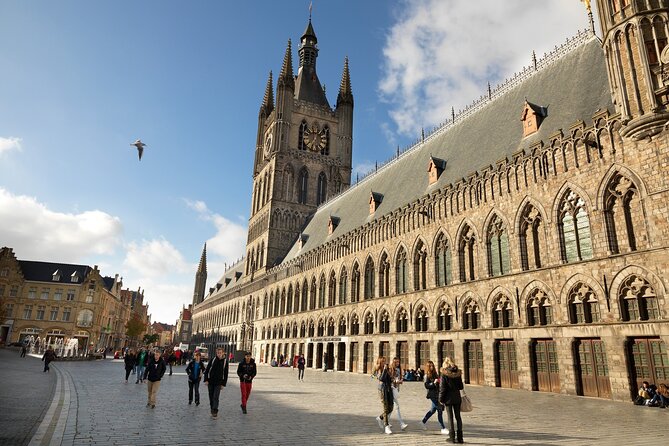
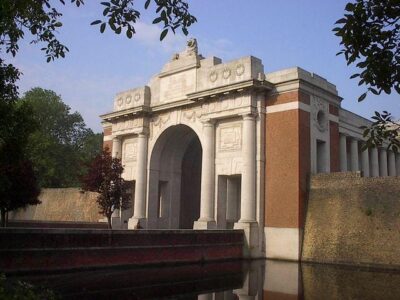
The most powerful part of this day comes at the end, when you attend the Last Post Ceremony beneath Ypres’ Menin Gate. After visiting cemeteries, battlefields, bunkers, and museums, the daily tribute gives the human cost of the First World War a quiet, direct focus. It is simple, brief, and often deeply emotional.
I like the way this tour links several different kinds of sites: Käthe Kollwitz’s Grieving Parents at Vladslo, the Canadian Brooding Soldier at Diksmuide, Tyne Cot Cemetery, and the dressing station connected with John McCrae’s poem. I also like having guides such as Diederik, Dietrich, or Stefan explain the events as you move through the area instead of trying to piece everything together alone.
The main drawback is the very long day, roughly 13 hours. Extra driving, including possible detours to collect or drop off people in Bruges, can make the schedule feel stretched. Some stops may feel brief, but the tour covers a large amount of ground and finishes late.
In This Review
- Key points to know before booking
- Why this Flanders Fields tour matters
- Starting in Brussels at 9:15 am
- Vladslo and Käthe Kollwitz’s Grieving Parents
- Diksmuide and the Brooding Soldier
- The In Flanders Fields Museum in Ypres
- Passchendaele and the cost of the offensive
- Tyne Cot Cemetery and the names of the missing
- Essex Farm and John McCrae’s poem
- Hill 60 and the underground war
- Free time in Ypres before the Last Post
- The Last Post at Menin Gate at 8 pm
- The guide is the key part of the experience
- Who should book this tour?
- Should you book the Flanders Fields Remembrance Tour?
- FAQ
- Where does the tour start?
- Where does the tour finish?
- How long is the tour?
- Is hotel pickup included?
- What language is the tour offered in?
- Is lunch included?
- What should I bring?
- Are pets allowed on the coach?
- Is the coach air-conditioned?
- Can I cancel the tour?
Key points to know before booking
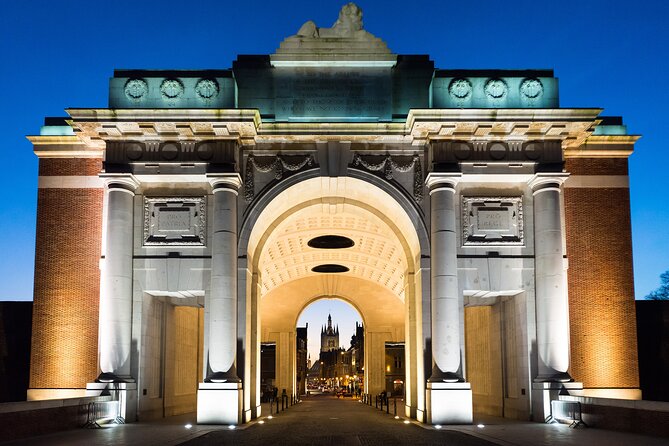
- The Last Post at Menin Gate is the emotional finish, held at 8 pm as a daily tribute to Commonwealth soldiers missing after the battles.
- Vladslo German War Cemetery offers a different perspective from the Commonwealth cemeteries, with Kollwitz’s solemn sculpture at its center.
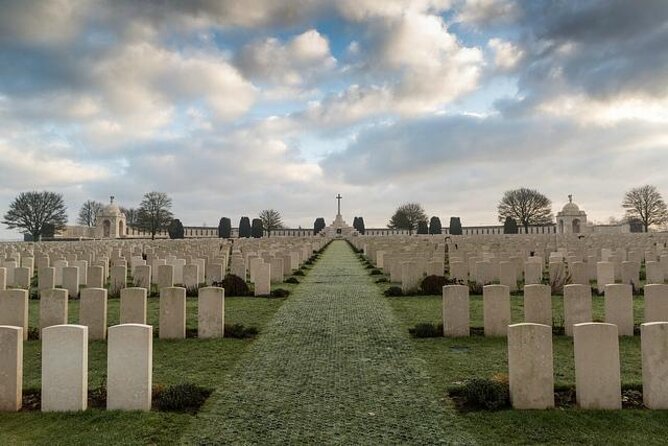
- Tyne Cot is the largest Commonwealth cemetery in the world, with around 35,000 graves and names recorded on its walls.
- The guide makes a major difference, and Diederik, Dietrich, and Stefan receive especially strong praise for clear, engaging explanations.
- You get a useful spread of sites, including Passchendaele, Essex Farm, Hill 60, Ypres, and the In Flanders Fields Museum.
- Bring walking shoes and rain gear, and plan for your own lunch and dinner unless your guide offers an optional arrangement.
Why this Flanders Fields tour matters
Flanders Fields is not one single battlefield or memorial. It is a wide area where the First World War unfolded through trenches, artillery positions, medical stations, villages, and cemeteries. A first visit can be confusing because the famous names, dates, and battles are spread across the countryside.
This tour gives you a framework. Your guide explains how the fighting developed, what life was like for soldiers, and how places such as Passchendaele and Ypres fit into the wider war. Guides Diederik, Dietrich, and Stefan are singled out for strong historical knowledge and lively delivery, so the quality of the commentary is one of the tour’s main strengths.
You travel in an air-conditioned coach from central Brussels, with transportation and a professional multilingual guide included. The tour is offered in English, French, or Spanish, though the experience described here is the English version.
At $113.72 per person, I consider the price reasonable for a full day of transport, guiding, and entry to the main sites. The value is strongest if you do not have a car, have limited time in Belgium, or want help connecting the military history. It is less attractive if you prefer to spend several quiet hours at one cemetery or museum, since this schedule keeps moving.
More flanders fields wwi tours in Brussels:
- Private World War I Battlefield Tour from Brussels to Flanders
★ 5.0 · 8 reviews - Historic Ypres WWI Sites – Tour from Brussels
★ 5.0 · 6 reviews - Flanders World War I Battlefields Private Tour from Brussels
★ 4.5 · 4 reviews
Starting in Brussels at 9:15 am
The meeting point is at Bd de Berlaimont 18 in central Brussels. There is no hotel pickup, so you need to reach the departure point yourself. The tour finishes at Brussel-Centraal, at Carr de l’Europe, which is useful if you are staying near the central station or plan to continue by train.
The coach is air-conditioned and described as large and comfortable. The maximum group size can reach 100 people, so do not expect a private or small-group outing. A larger coach lets the operator keep the price down, but you need to stay alert for meeting times when the group spreads out at a cemetery or in Ypres.
The drive from Brussels gives your guide time to introduce the war and set the scene. This is not a tour where you simply arrive at monuments, take photographs, and move on. The best use of the coach time is to listen, ask questions, and build a mental map before stepping out at each site.
Vladslo and Käthe Kollwitz’s Grieving Parents
The first stop is the German War Cemetery at Vladslo, a quiet place with dark headstones and a strong sense of restraint. It differs in tone from many Commonwealth cemeteries, and that difference matters. The cemetery asks you to consider the war from the German side as well as the Allied side.
The central work here is Käthe Kollwitz’s Grieving Parents. Kollwitz created the sculpture after losing her son Peter in the war. The two stone figures face the graves, bent inward with grief. You do not need a long lecture to understand the scene, but the guide’s context helps explain why this is one of the most affecting works of remembrance in Flanders.
Allow yourself a quiet moment here. This is not a stop to rush through while thinking about the next photograph. The cemetery is free to enter, and you should wear shoes suitable for uneven paths and outdoor walking.
Diksmuide and the Brooding Soldier
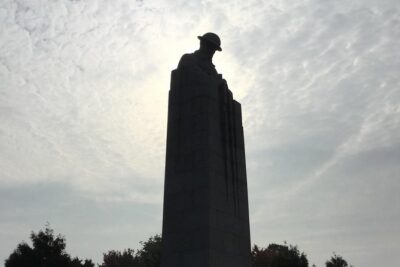
The tour continues to Diksmuide, an important point on the former Western Front. Here you see the monument known as the Brooding Soldier, dedicated to approximately 2,000 Canadian soldiers killed during the first German gas attack.
The monument gives the guide a chance to explain how industrial warfare changed combat. Poison gas was only one part of a wider shift toward mass artillery, machine guns, aircraft, and long periods of trench warfare. The Canadian connection also broadens the story beyond Belgium, Germany, Britain, and France.
This stop is especially useful if you have family ties to Canada or the Commonwealth. Even without a personal connection, the monument makes the scale of the losses more concrete. The stop itself is free, and the tour does not treat it as an isolated photo opportunity. It forms a link between the cemetery at Vladslo and the battlefield sites later in the day.
Same old town, a completely different kind of day:
- Brussels: Atomium Entry Ticket with Design Museum Ticket
★ 4.4 · 9,254 reviews - From Brussels: Guided Day Trip to Bruges and Ghent
★ 4.6 · 8,353 reviews - From Brussels: Bruges & Ghent Day Tour – 2 Fairytale Cities
★ 4.7 · 8,242 reviews - Choco-Story Brussels: Chocolate Museum Entrance with Tasting
★ 4.3 · 4,883 reviews
The In Flanders Fields Museum in Ypres
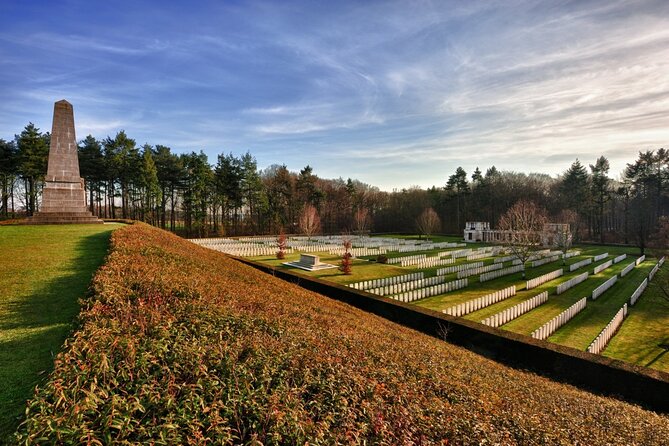
After a short lunch break, you visit the In Flanders Fields Museum in Ypres. The museum is one of the most valuable stops because it gives you historical structure before the afternoon’s cemeteries and battlefield sites.
You learn about the causes of the First World War, the fighting in Flanders, and the conditions endured by soldiers. The focus includes the wet, cramped, unhealthy world of trench warfare, where daily life could be as punishing as the attacks themselves.
Time here can feel limited on such a full schedule. One review specifically felt that the museum was the best part but that the visit was rushed. I would pay close attention to your guide’s instructions and use your time carefully. If you are a serious museum visitor, you may wish you had half a day here. If you are new to the subject, the guided visit gives you a useful base without requiring you to study the war before arrival.
Lunch is not included. You have a short break, and you should carry water and some food in case the timing or local choices do not suit you. Cash is advised, and free time is available at points during the day for meals and independent exploring.
Passchendaele and the cost of the offensive
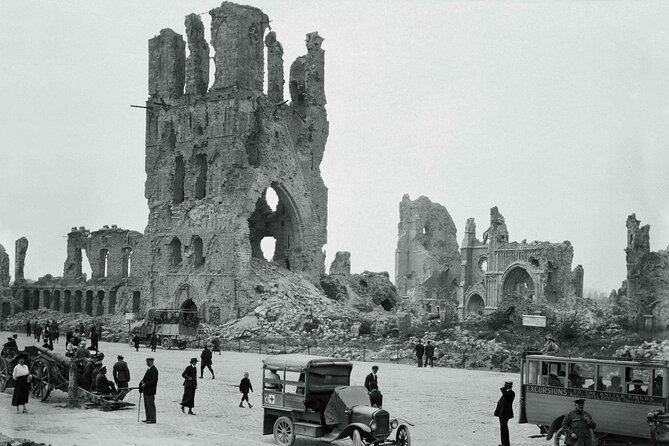
Passendale, better known in English as Passchendaele, is now a quiet town. That calm can make the past difficult to picture. The tour uses the contrast between the present-day setting and the battlefield to explain how a place associated with terrible losses was transformed over time.
The Third Battle of Ypres, commonly called the Battle of Passchendaele, became known for mud, artillery, failed advances, and enormous casualties. Your guide puts the battle into the broader story of the Ypres Salient and shows how the ground shaped military decisions.
You spend about 30 minutes at Passchendaele. That is enough for orientation and explanation, but not enough for a long, private examination of every detail. Think of this as a focused battlefield stop rather than a full archaeological visit.
Tyne Cot Cemetery and the names of the missing
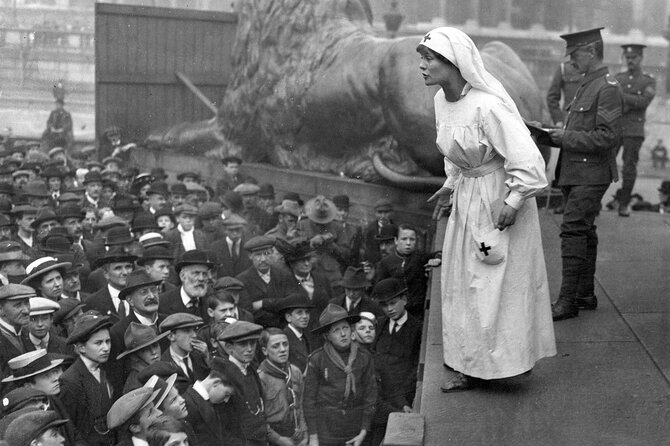
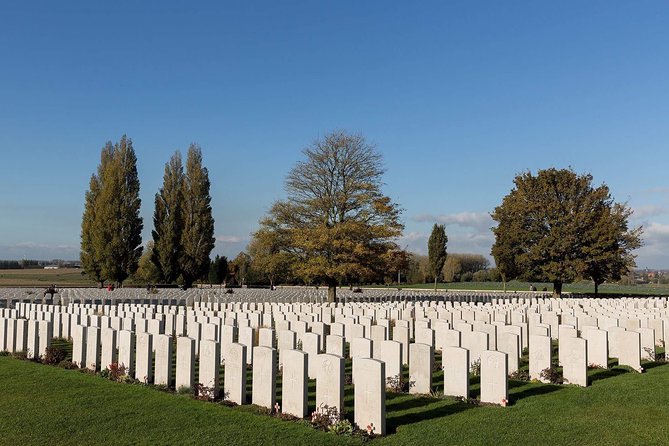
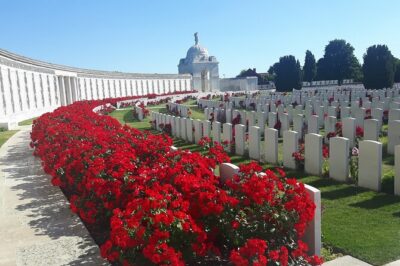
Tyne Cot Commonwealth War Graves Cemetery is one of the day’s major stops. It is the largest Commonwealth cemetery in the world, and British, Australian, and Canadian soldiers are buried here. Around 35,000 names of soldiers with no known grave are also recorded on the memorial walls.
The site is carefully maintained, but the beauty should not distract from the scale of the loss. The rows of headstones give each person a marker, while the walls remind you how many disappeared without a known resting place.
I find Tyne Cot most useful after hearing about Passchendaele. The cemetery is not just a collection of graves. It shows the human result of the battles you have been discussing. Take time to read a few inscriptions rather than trying to photograph the entire site.
The tour includes admission, and the guide helps you understand the cemetery’s place in the campaign. Since this is an outdoor visit, rain can change the feel of the stop. Bring a raincoat or poncho even if Brussels looks dry when you leave.
Essex Farm and John McCrae’s poem
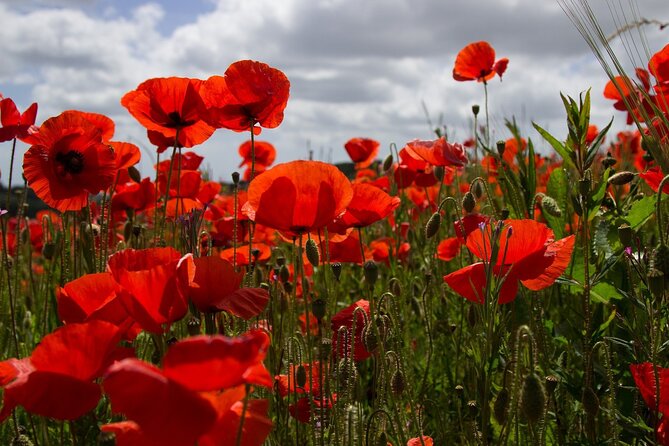
At Essex Farm Cemetery, you see the former dressing station and bunkers associated with Canadian doctor John McCrae. He wrote In Flanders Fields after treating wounded soldiers nearby.
This is a smaller and more personal stop than Tyne Cot. The medical setting brings the war down from campaign maps and casualty figures to the work of treating men close to the front. The bunkers help you picture the rough conditions under which medical staff worked.
The stop lasts about 15 minutes, so listen closely while the guide explains the connection. If McCrae’s poem has personal meaning for you, this may become one of the most memorable moments of the day. If you want time to sit and reflect, the short schedule may feel restrictive.
Hill 60 and the underground war
Hill 60 is included as a stop in the tour’s description, with strategic tunnels connected to the fighting. The site helps explain that the war was not only fought across open ground and trenches. Soldiers also worked underground to place mines and protect positions.
Your guide uses Hill 60 to show why small rises in the ground mattered. In a flat region, even a modest height could offer a military advantage. The site is a helpful counterpoint to the cemeteries, since it focuses more directly on tactics and the physical struggle for ground.
Conditions at outdoor battlefield sites can vary, and the tour requires a moderate level of physical fitness. You will be getting on and off the coach several times, walking at cemeteries, and spending much of the day outside.
Free time in Ypres before the Last Post
The coach takes you to Ypres, where you have independent time before the evening ceremony. You can use this break for dinner at your own expense and a look at the picturesque center.
Ypres is one of the more pleasant pauses in a solemn day. The town gives you a chance to eat, rest, and process what you have seen. Keep an eye on the reconvening time, since the group must reach Menin Gate for the ceremony.
Some schedules may include extra road time connected with collecting or dropping off people in Bruges. This has been a repeated concern in the tour’s feedback, and it can make the late afternoon feel less efficient. The benefit is that the operator may serve a wider route, but the cost is more time on the coach.
The Last Post at Menin Gate at 8 pm
The final scheduled event is the Last Post Ceremony at Menin Gate. It takes place daily at 8 pm and honors Commonwealth soldiers and officers who went missing after the battles.
The ceremony is not a long performance. It lasts about 30 minutes in the schedule, though the actual Last Post portion can be much shorter. Its force comes from the setting, the routine, and the silence around it. After a full day of facts, the service strips remembrance back to a few solemn minutes.
You may hear music or, on some evenings, a choir. The ceremony can bring tears, especially if you have a family connection to the First World War. I would not book this tour expecting entertainment. Book it if you want a respectful act of remembrance at the end of a day spent learning about the people who fought here.
The guide is the key part of the experience
The strongest praise for this tour centers on its guides. Diederik, also written as Diedrich or Dietrich in feedback, is repeatedly described as clear, passionate, and able to make the military story feel human. Stefan is also praised for his teaching style, clear expectations, and ability to include the whole group.
That matters because Flanders Fields can otherwise become a blur of similar cemeteries and battle names. A strong guide explains why each place matters, points out the links between stops, and keeps the day moving. The guide also helps you understand the contribution of different national forces, though some people may want more detail on countries and battles beyond the Belgian and German experience.
The driver is part of the equation too. The coach covers a lot of road, and careful driving makes the long day easier. Radios and earphones may be provided when needed, which helps in larger groups.
Who should book this tour?
I would choose this tour if you have one day for the Ypres Salient and want to see several major sites without hiring a car. It is particularly suited to history fans, people tracing family military service, and anyone who wants the Last Post Ceremony included without planning the route themselves.
Families can manage it, but younger children may find the day demanding. One family completed it with children aged 10 and 14, yet the combination of driving, walking, memorials, and a late finish requires patience.
I would hesitate if you dislike long coach rides, repeated stops, or a schedule that may change because of road conditions and local events. You may also prefer a shorter outing if your main aim is only the Menin Gate ceremony or the museum.
Wear comfortable walking shoes and bring a raincoat, poncho, or umbrella. Carry cash, an ID, water, and food for the day. Pets are not allowed, and the tour is not recommended for people who have difficulty walking or require disability access.
The tour has a 4.7 rating from 334 reviews, with 94 percent recommending it. Those figures fit the experience described here: the guide and content are strong, while the long duration and possible detours are the main concerns. Free cancellation is available up to 24 hours before the start time, subject to the stated conditions and minimum group requirement.
Should you book the Flanders Fields Remembrance Tour?
Book it if you want a serious, well-guided introduction to the First World War sites around Ypres and can give the day from morning until late evening. The combination of Vladslo, Tyne Cot, Essex Farm, Passchendaele, Hill 60, Ypres, and the Last Post is hard to arrange efficiently on your own without a car.
Do not book it expecting a leisurely pace. This is a full historical pilgrimage with plenty of coach time and several short visits. For me, the guide’s explanations and the closing ceremony make the long schedule worthwhile, especially if this is your only chance to reach Flanders Fields from Brussels.
FAQ
Where does the tour start?
The tour starts at Bd de Berlaimont 18, 1000 Bruxelles, Belgium, at 9:15 am.
Where does the tour finish?
The tour ends at Brussel-Centraal, Carr de l’Europe, 1000 Bruxelles, Belgium.
How long is the tour?
The tour lasts approximately 13 hours. The exact duration can be affected by traffic, local events, and route changes.
Is hotel pickup included?
No. You must make your own way to the central Brussels meeting point.
What language is the tour offered in?
The experience can be offered in English, French, or Spanish. The tour information here describes the English option.
Is lunch included?
No. Lunch is not included. You have a lunch break and should pay for your own meal.
What should I bring?
Bring comfortable walking shoes and clothing suited to the forecast. A raincoat, poncho, or umbrella is advised, along with cash and an ID.
Are pets allowed on the coach?
No. Pets are not allowed on board.
Is the coach air-conditioned?
Yes. The coaches are equipped with air-conditioning.
Can I cancel the tour?
You can cancel up to 24 hours before the experience starts for a full refund. Cancellations or changes made less than 24 hours before the start time are not accepted for a refund.
Just added around Brussels
- Standard vehicle from Brussels airport to city of Antwerp★ 5.0 · 4 reviews
- Private transfer from BRU Airport to Brussels city with luxury limousine 3 pax★ 4.5 · 8 reviews
- Luxury vehicle from Brussels airport to the city of Brussels★ 4.0 · 5 reviews
- Transfer Brussels Airport –> City MB E Class 1-3 PAX (ONE WAY)★ 5.0 · 6 reviews
- PRIVATE MPV TRANSFER FROM/TO BRUSSELS AIRPORT (Max 6 pax) ONE-WAY★ 5.0 · 4 reviews
- Transfer Brussels Airport (BRU) –> City Center 7 PAX (ONE WAY)★ 5.0 · 7 reviews
- Transfer Brussels Airport –> Brussels MB V Class 7 PAX (ONE WAY)★ 5.0 · 4 reviews
- Waterloo Private Battlegrounds Tour with Lion Hill★ 4.5 · 9 reviews
Flanders Fields WWI Tours, compared.
Great War Flanders Fields Minibus Tour w/ Lunch
Read our review →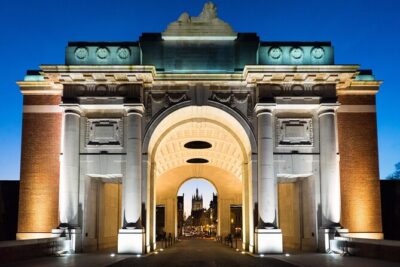
In Flanders Fields and Passchendaele Half Day Morning Tour
Read our review →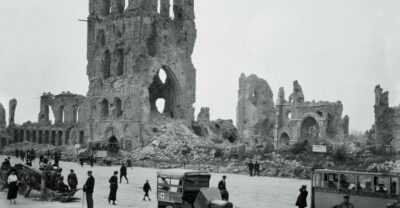
From Ypres, The Christmas Truce to Passchendaele Ypres Based WW1 private tour
Read our review →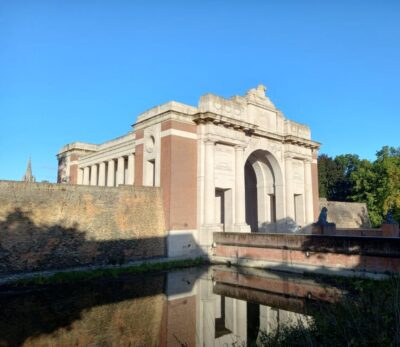
In Flanders Fields and Passchendaele Grand Tour
Read our review →Browse the lists this tour appears in