
Reviewed · FLANDERS FIELDS WWI TOURS
From Brussels: Flanders Fields Remembrance Full-Day Trip
The most powerful part of this Flanders Fields tour comes late in the day, when you gather beneath Menin Gate for the Last Post Ceremony. After hours spent seeing trenches, cemeteries, and battle sites, the short daily tribute gives the war a human scale. The names and dates stop being distant facts.
I like two things here: the guide begins explaining the war before you even reach the fields, and the route links major sites with smaller, quieter memorials. The chance to enter the In Flanders Fields Museum and then attend the Last Post on the same day is another strong point. The drawback is the length. This is a 13-hour outing, with long coach transfers and, on some departures, an extra run through Bruges to collect or drop off passengers.
In This Review
- Key points at a glance
- Why Flanders Fields feels different from an ordinary day trip
- Leaving Brussels for the Western Front
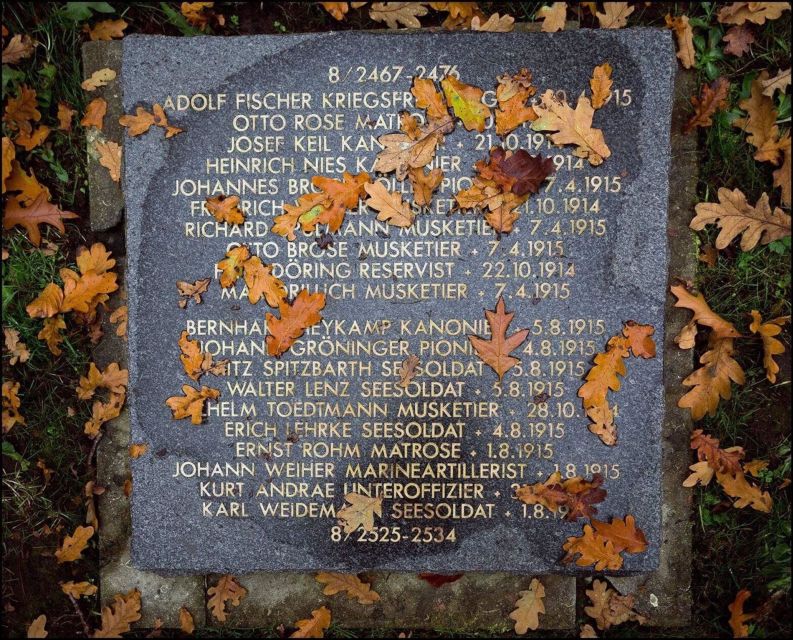
- German Cemetery and the first look at wartime loss
- Trenches, the Brooding Soldier, and Hill 60
- Ypres and the In Flanders Fields Museum
- Passchendaele and Tyne Cot Cemetery
- Essex Farm and the poem behind the title
- Free time, a quick snack, and Menin Gate
- Is $107 good value for this long day?
- Who should book this Flanders Fields tour?
- Should you book it?
- FAQ
- Where does the tour start?
- Where does the tour finish?
- How long does the tour last?
- Is the tour conducted in English?
- Is admission to In Flanders Fields Museum included?
- Is food included?
- Does the tour include hotel pickup?
- Is the tour suitable for wheelchair users?
- Can I cancel the booking?
Key points at a glance
- The Last Post at 8 p.m.: The tour ends with Menin Gate’s daily tribute to Commonwealth soldiers missing after battle.
- Passchendaele and Tyne Cot: See one of the best-known battle areas and the world’s largest Commonwealth war cemetery.
- Essex Farm: Visit the field hospital site linked with Canadian doctor John McCrae and In Flanders Fields.
- A guide-led history lesson: The commentary begins on the road from Brussels and covers the causes and course of the First World War.
- A packed Ypres day: Expect cemeteries, trenches, memorials, a museum, free time, and a quick meal stop.
- Plan for a long day: Comfortable shoes, patience with coach time, and enough energy for an evening ceremony are essential.
Why Flanders Fields feels different from an ordinary day trip
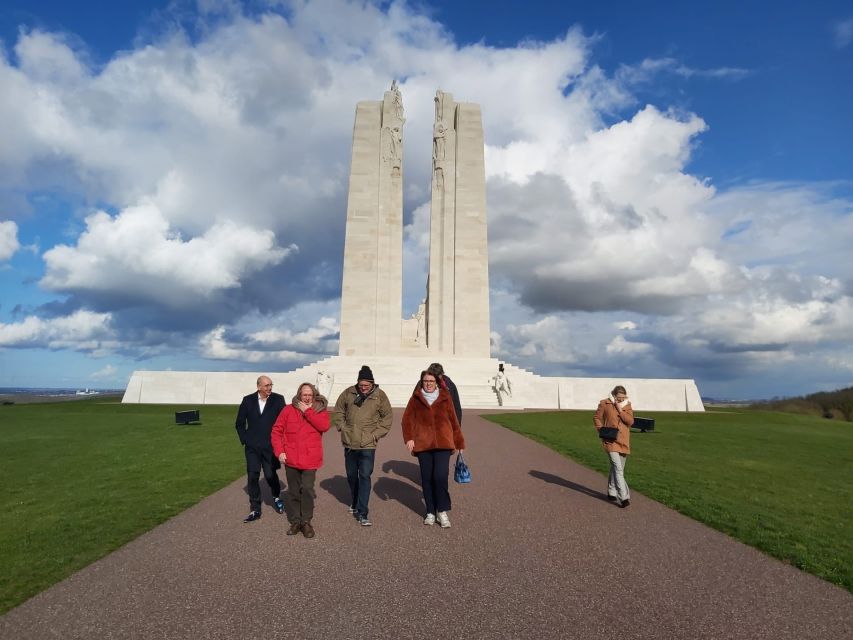
Many day trips from Brussels are built around grand buildings, food, or pretty town centers. This one asks more of you. It is a serious history outing, and much of the day is spent in cemeteries and former battle areas rather than in places designed for entertainment.
That is exactly its value. The First World War can feel abstract when you encounter it in a book or museum. Here, the guide connects the military campaign to actual ground: a trench line, a cemetery, a monument, or a field hospital. You get a clearer sense of how close the fighting came to villages and farms.
The tour also helps if you do not already know the chronology. The guide explains the events that led to the war and then follows its disastrous development. Guides including Dietrich, Stefan, and Steffen have been praised for clear explanations, personal stories, and strong command of the subject. The quality of the day depends heavily on who leads your departure, but the guide is central to the experience.
More Flanders Fields WWI Tours in Ypres
- In Flanders Fields and Passchendaele Half Day Morning Tour
★ 5.0 · 117 reviews - From Ypres, The Christmas Truce to Passchendaele Ypres Based WW1 private tour
★ 5.0 · 29 reviews - In Flanders Fields and Passchendaele Grand Tour
★ 5.0 · 25 reviews
Leaving Brussels for the Western Front
The meeting point is Bd de Berlaimont 18, outside the National Bank of Belgium. Look for the staff and the Keolis coach. The tour returns to the same general meeting point near Central Station, so you do not need to arrange a separate ride back across Brussels late at night.
The first transfer is listed at about two hours. That sounds long, but it gives the guide useful time to set the scene. You can learn about the political tensions before 1914, the opening of the war, and the nature of trench warfare before arriving at the memorials.
There may also be a detour through Bruges to collect additional passengers. This has caused frustration for people expecting a direct Brussels to Ypres route. The extra drive can add roughly two hours to the day, especially when the return journey also includes a drop-off. Check the current departure details carefully if you want the most direct route.
The coach is described as comfortable, which matters here. You will be out for most of the day, and the vehicle provides a useful break between walking stops. Still, a comfortable seat does not turn this into a light outing. The total duration is about 13 hours.
German Cemetery and the first look at wartime loss
One of the first stops is a German cemetery. It offers an important counterpoint to the Commonwealth memorials later in the day. The First World War was not a simple story of one side suffering and the other side advancing. Soldiers from opposing armies died in the same muddy region, often only a short distance apart.
The atmosphere at a cemetery like this is quiet and restrained. You are not there for a long guided attraction with lots of displays. The guide provides the context, then you have time to look at the site for yourself.
This is also where the tone of the tour becomes clear. The focus is not on military spectacle. It is on the human cost of a war that killed and injured on a scale difficult to grasp from statistics alone.
Trenches, the Brooding Soldier, and Hill 60
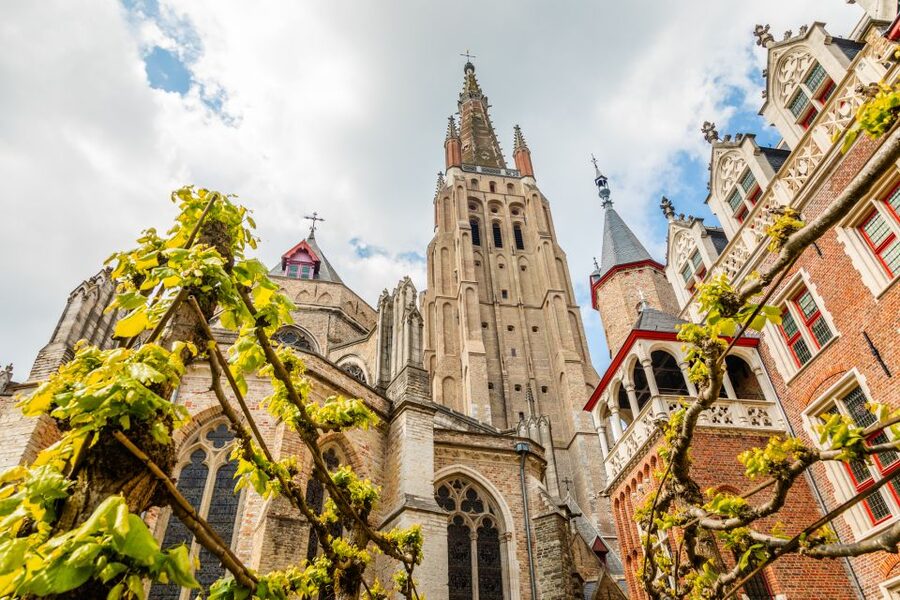
The route includes a section of First World War trenches, giving you a physical sense of the cramped defensive lines that shaped the conflict. Conditions, construction, and access can vary, so you should not expect a vast preserved trench complex at every stop. The value is in seeing the kind of ground where soldiers lived and fought.
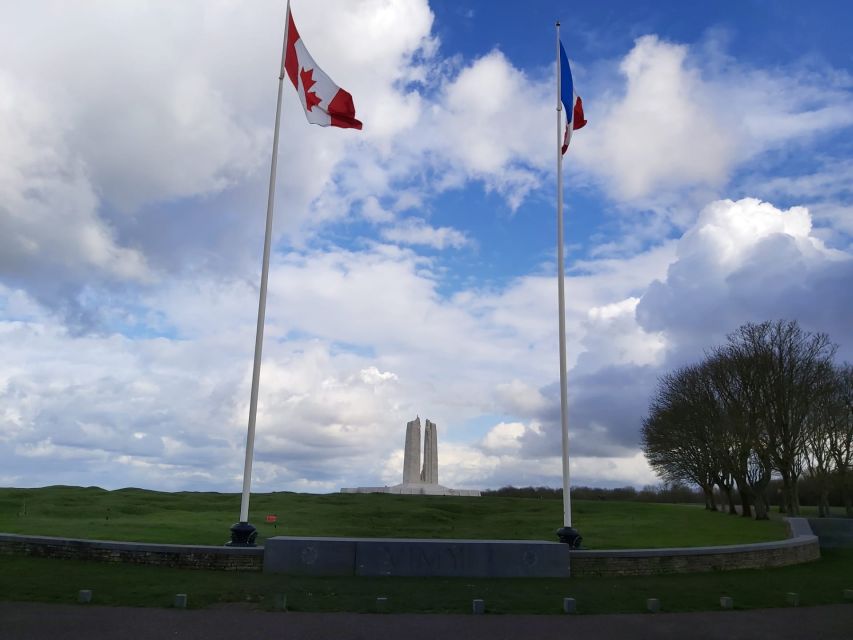
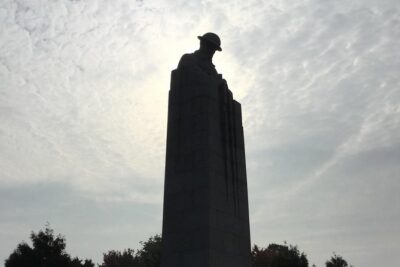
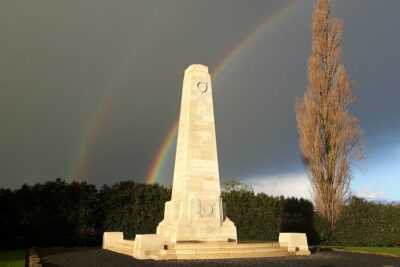
At the Monument to the Brooding Soldier, you pause to remember about 2,000 Canadian soldiers killed during the first German gas attack. The statue shows a soldier in mourning, and its restrained design suits the subject. It is a place for quiet attention rather than quick photographs.
Nearby Hill 60 was dug by tunnelling companies of the Royal Engineers before German forces took it. Its importance comes from the underground war as much as from the fighting above ground. Tunnels, mines, trenches, and artillery turned ordinary fields into an intricate and deadly military zone.
One practical point is worth stressing: the advertised route contains several battlefield locations, but the exact sites covered can vary. Some departures have not reached every place listed, and one person specifically wished the trenches had received more time. If you have a particular family memorial or battle site in mind, ask the guide early in the day whether it will be included.
Same old town, a completely different kind of day:
- From IEPER Private 4-hour Tour of the Ypres Battlefield
★ 5.0 · 154 reviews - Ypres: An exploration of the deadly salient battlefields
★ 5.0 · 76 reviews - From Ypres: WWI Battlefields Private Tour
★ 5.0 · 25 reviews - e-Scavenger hunt Ypres: Explore the city at your own pace
★ 4.5 · 6 reviews
Ypres and the In Flanders Fields Museum
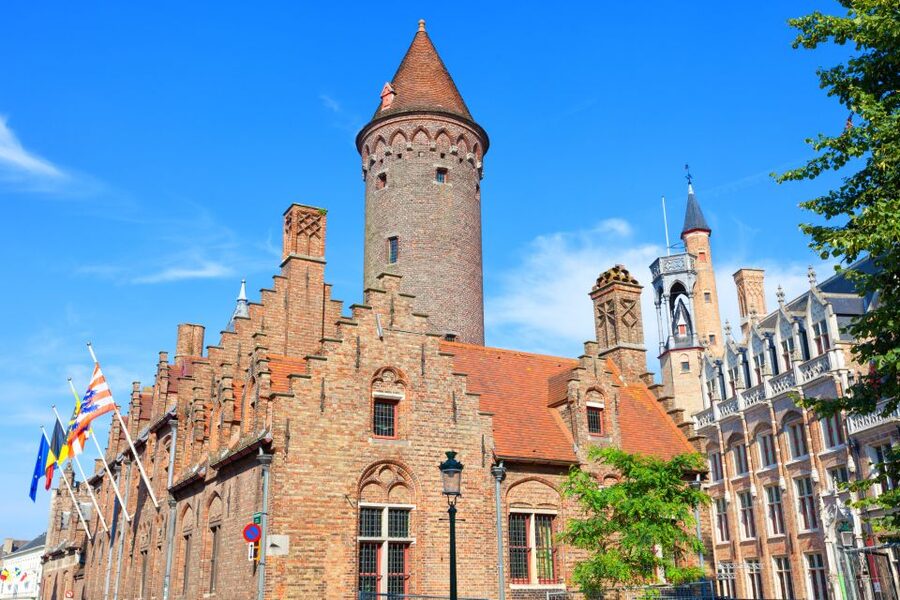
Ypres is the main town stop, usually with about an hour for a visit, though the time available can feel shorter once lunch is taken into account. The town was heavily damaged during the war and later rebuilt, and it now serves as the natural base for understanding the surrounding battlefields.
The In Flanders Fields Museum is included in the price. This is one of the tour’s strongest practical advantages because the museum gives structure to everything you see outdoors. Exhibits explain the war, the trench system, and the experiences of the people caught in the conflict.
You need to manage your time carefully. Some departures have allowed only 35 minutes, while the planned visit is around an hour. That is enough for a focused visit, but not enough to see every display at a relaxed pace. If you are especially interested in museum collections, you may wish for two hours. The tradeoff is that extra museum time would reduce time for lunch, free time, or another outdoor stop.
Lunch is not listed among the official inclusions, so budget for your own meal and a later snack. The schedule can be tight. A sit-down restaurant may require you to eat quickly, particularly if the museum entry is fixed. I would keep lunch simple and close to the meeting point rather than choosing a place that risks making you late.
Passchendaele and Tyne Cot Cemetery
Passchendaele, also called Passendale, is one of the names most closely linked with the grim reputation of the First World War. The battlefield visit helps explain why the campaign remains such a powerful symbol of attrition, mud, artillery, and enormous losses for limited gains.
You are not visiting a preserved battlefield attraction with a single dramatic viewpoint. Much of the modern area is ordinary Belgian countryside. That contrast can be unsettling. The guide’s explanation is what turns a quiet field into a place where you can imagine the scale and difficulty of the fighting.
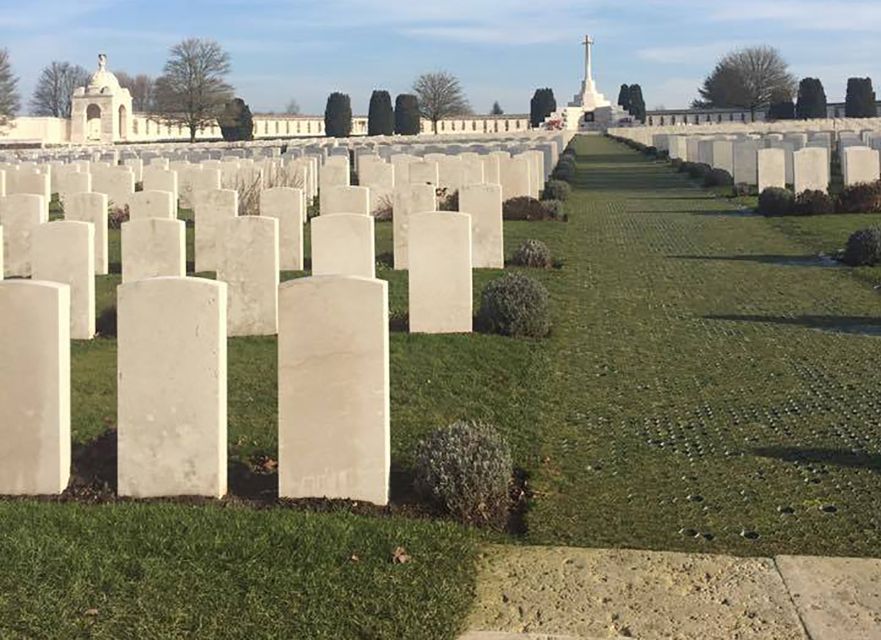
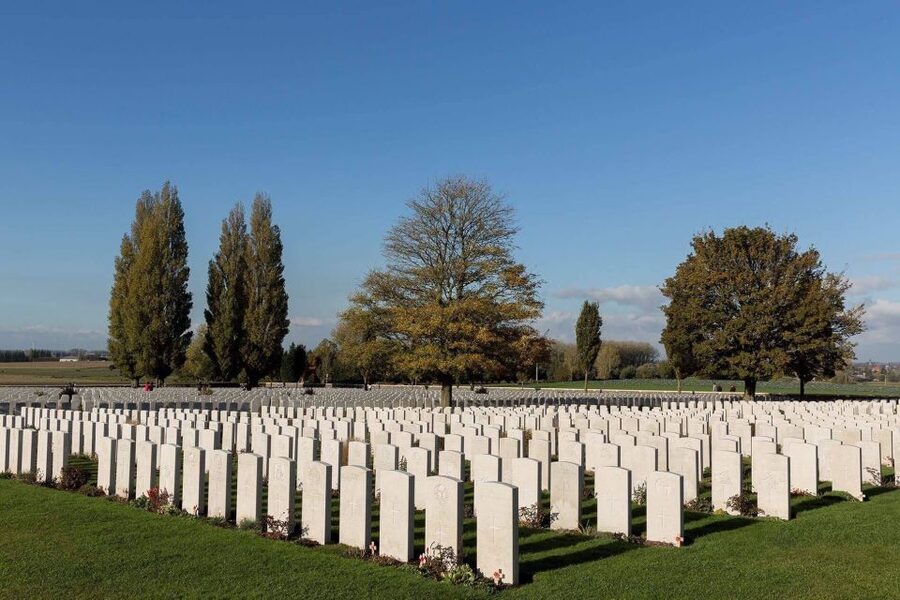
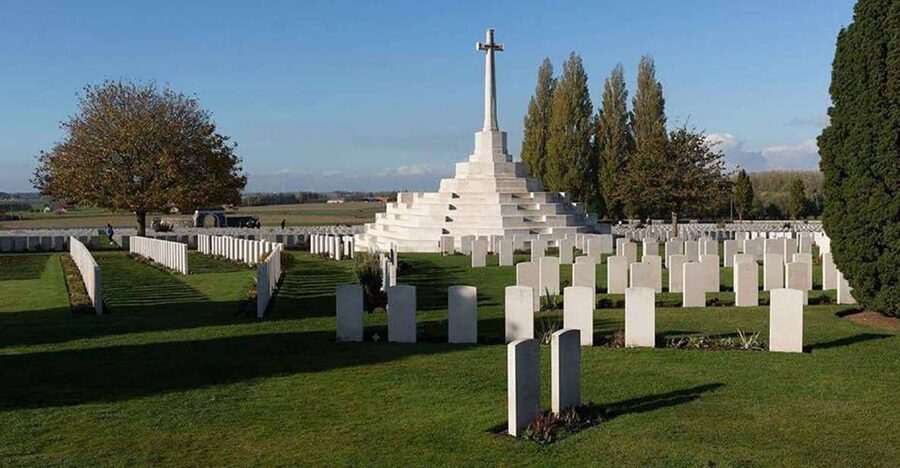
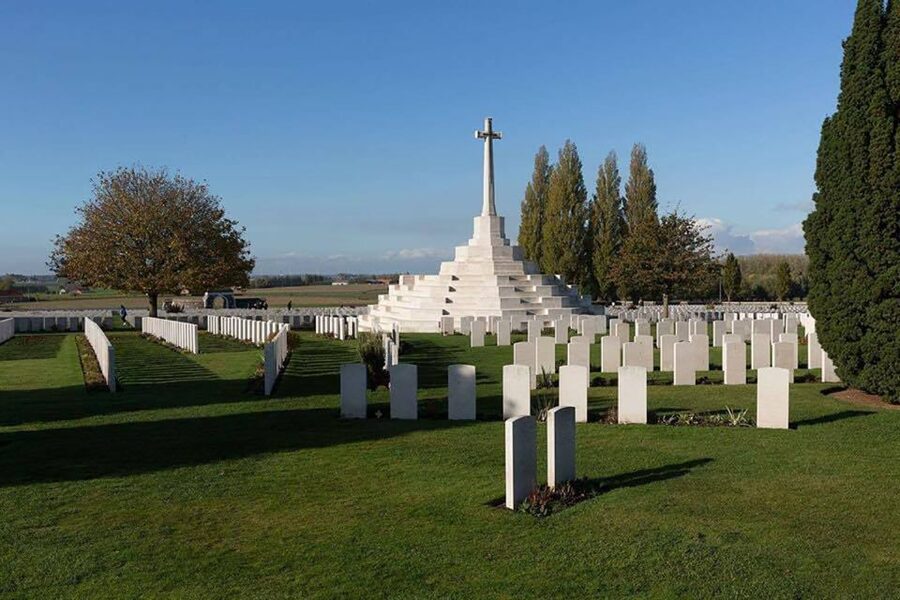
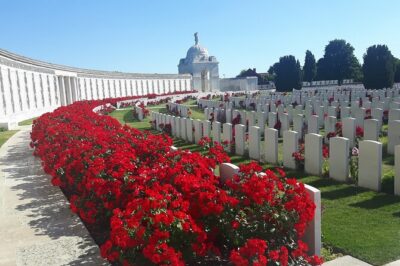
Tyne Cot Cemetery is one of the major stops. It is the largest Commonwealth cemetery in the world, with British, Irish, Australian, and Canadian soldiers buried there. The rows of graves and the memorial to those with no known grave make the cost of the campaign impossible to ignore.
Allow yourself a little silence here. The stop is not only about learning which units fought where. It is also a chance to read names, notice the range of nationalities represented, and consider how many families never received a body to bury.
The cemetery can be emotionally demanding, especially after several similar sites in the same day. That repetition is part of the message, but it can also make the middle of the tour feel heavy. If you are studying a specific regiment or ancestor, bring the details with you. You may find the site more meaningful when you can connect the general story to a particular name.
Essex Farm and the poem behind the title
At Essex Farm Cemetery, you visit the field hospital where Canadian surgeon John McCrae wrote In Flanders Fields. The poem is familiar to many people, but seeing the place associated with it changes how the words land.
The stop also brings attention to the medical side of the war. Battlefields are often discussed through generals, offensives, and casualties. Essex Farm points to the doctors and wounded soldiers who faced the immediate aftermath of combat.
This is not a long museum visit. It is a compact memorial stop, so listen closely to the guide’s explanation and take a moment to look around. The site works best when treated as a place of remembrance, not simply another item to tick off.
Free time, a quick snack, and Menin Gate
After the battlefield stops and museum visit, you return to Ypres for free time and a quick snack before the evening ceremony. This pause is useful. You can gather yourself, eat something, and see a little more of the town without a full sightseeing program.
Do not expect a long leisurely dinner. The schedule is built around the 8 p.m. Last Post at Menin Gate, so keep your food stop efficient. The free time is also where the packed nature of the day becomes most obvious. You have enough space to breathe, but not enough to wander far.
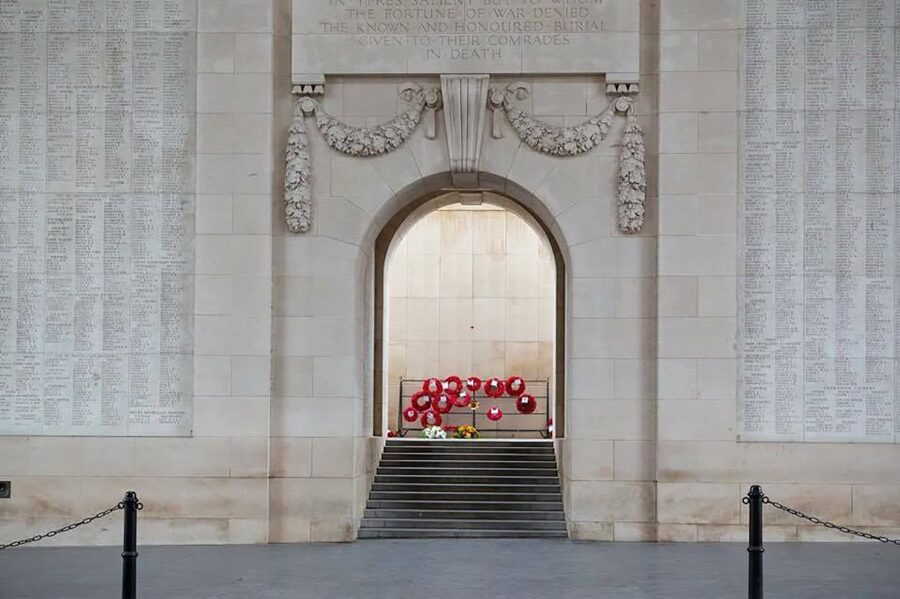
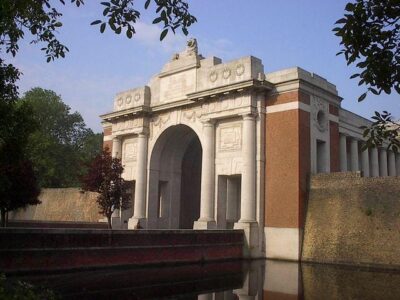
Menin Gate is the emotional finish. Every evening, the Last Post is played in tribute to Commonwealth soldiers and officers who went missing after the battles around Ypres. The ceremony is simple, brief, and solemn.
After a day of battlefield explanations, the ceremony gathers the subject into one shared act of remembrance. You do not need to know every military detail to feel its weight. If you have a family connection to the area, the moment may be especially personal. One person with four direct ancestors who fought and died in the region described the ceremony as a meaningful way to pay respects.
The tour then returns by coach to Brussels. Depending on the route and passenger transfers, you may arrive late. Keep your evening free and do not schedule a tight connection afterward.
Is $107 good value for this long day?
At $107 per person, the tour offers a reasonable package if you want transport, a guide, and museum admission handled in one day. Driving from Brussels to the Flanders Fields area independently requires a car or a combination of trains, local transport, and careful timing. Reaching several cemeteries and battlefield sites without a car would be difficult.
The price does not cover hotel pickup and drop-off, and food is not officially included. You will meet at the National Bank of Belgium and return to the same meeting area. Add money for lunch, snacks, and any personal purchases.
The value is strongest for first-time visitors who want the main sites explained in a logical sequence. It is less compelling if you already know the battlefields well and want long, detailed visits at particular locations. Some history enthusiasts have found the commentary too general, with repeated information and not enough detail about individual units or specific actions.
In other words, this is an overview tour, not a specialist military study day. The guide may add personal family stories and extra context, but you should not assume every departure will provide the same depth.
Who should book this Flanders Fields tour?
I would recommend it to you if:
- You have a serious interest in the First World War.
- You want to see several important sites in one day from Brussels.
- You prefer a guide to explain the chronology and geography.
- You have family history connected with Ypres, Passchendaele, or the Commonwealth forces.
- You value the Last Post Ceremony and are willing to spend a full day on the subject.
I would hesitate if you dislike long coach journeys, tight meal breaks, or repeated cemetery visits. It is also not suitable for wheelchair users or people with limited mobility. Comfortable shoes are essential, and you should be prepared for outdoor walking in changing weather.
The tour is conducted in English. It may be cancelled if the minimum number of participants is not reached, so keep that possibility in mind when planning fixed evening arrangements. You can cancel up to 24 hours before departure for a full refund, and the reserve-now, pay-later option gives you some flexibility.
Should you book it?
Book this tour if you want a moving, well-organized introduction to the main First World War sites around Ypres and do not want to handle the transport yourself. The Last Post Ceremony, Tyne Cot, Essex Farm, and the museum make a strong combination, and the best guides add real feeling to the history.
Do not book it expecting a slow, specialist tour with long hours at every battlefield. The day is packed, the museum visit may be brief, and a Bruges transfer can extend the coach time. For most first-time visitors with a full day to spare, the $107 cost is fair for the amount of ground covered. For dedicated military historians, a private or more narrowly focused tour may offer better detail.
FAQ
Where does the tour start?
The meeting point is Bd de Berlaimont 18, outside the National Bank of Belgium. Look for the tour staff and the Keolis coach.
Where does the tour finish?
The activity returns to the meeting point near Central Station in Brussels.
How long does the tour last?
The tour lasts about 13 hours. Check the available dates for the exact starting time.
Is the tour conducted in English?
Yes. The tour has a live English-speaking guide.
Is admission to In Flanders Fields Museum included?
Yes. Entrance to In Flanders Fields Museum is included in the tour price.
Is food included?
Food is not listed among the official inclusions. Plan to pay for lunch, snacks, and drinks yourself.
Does the tour include hotel pickup?
No. Hotel pickup and drop-off are not included. You must reach the Brussels meeting point independently.
Is the tour suitable for wheelchair users?
No. The tour is not suitable for wheelchair users or people with limited mobility.
Can I cancel the booking?
Yes. You can cancel up to 24 hours in advance for a full refund. The reserve-now, pay-later option is also available.
More 1-Day Tours in Ypres
- From LIlle or Bruges, Christmas Truce to Passchendaele Ypres 1 day WW1 private
★ 5.0 · 5 reviews - From Brussels: Guided Day Trip to Bruges and Ghent
★ 4.6 · 8,353 reviews - From Amsterdam: Bruges Day Trip in English with Boat Option
★ 4.4 · 1,989 reviews - From Amsterdam: Bruges Day Trip in Spanish with Boat Option
★ 4.6 · 1,866 reviews
More Full-Day in Ypres
- Full Day Canadian WW1 Vimy and Somme Battlefield Tour from Ypres
★ 5.0 · 6 reviews - From Brussels: Full-Day Antwerp and Ghent Guided Tour
★ 4.6 · 1,019 reviews - From Amsterdam: Bruges Full-Day Tour
★ 4.3 · 519 reviews - From Brussels: Bruges and Ghent Full-Day Trip by Train
★ 4.3 · 103 reviews
Just added around Ypres
- In Flanders Fields and Passchendaele Grand Tour★ 5.0 · 25 reviews
- From LIlle or Bruges, Christmas Truce to Passchendaele Ypres 1 day WW1 private★ 5.0 · 5 reviews
- e-Scavenger hunt Ypres: Explore the city at your own pace★ 4.5 · 6 reviews
- PRIVATE Australian Western Front Battlefields 3-Day Tour Ypres to Amiens★ 5.0 · 3 reviews
- Discover Tournai while playing! Escape game – The alchemist★ 4.0 · 3 reviews
- From Ypres 4hr Christmas Truce and Monster Mines of Messines PRIVATE Tour★ 5.0 · 5 reviews
- Full Day Canadian WW1 Vimy and Somme Battlefield Tour from Ypres★ 5.0 · 6 reviews
- From Ypres, The Christmas Truce to Passchendaele Ypres Based WW1 private tour★ 5.0 · 29 reviews
Flanders Fields WWI Tours, compared.
Great War Flanders Fields Minibus Tour w/ Lunch
Read our review →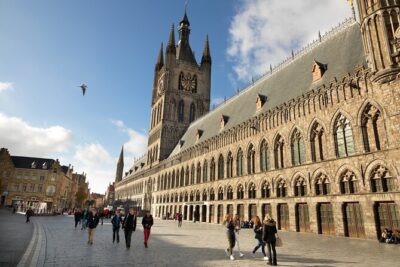
Flanders Fields Remembrance Tour from Brussels
Read our review →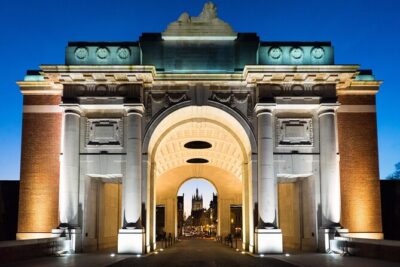
In Flanders Fields and Passchendaele Half Day Morning Tour
Read our review →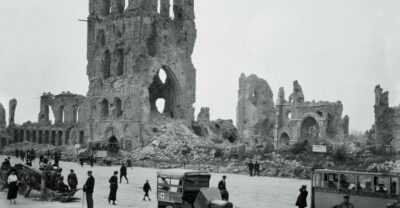
From Ypres, The Christmas Truce to Passchendaele Ypres Based WW1 private tour
Read our review →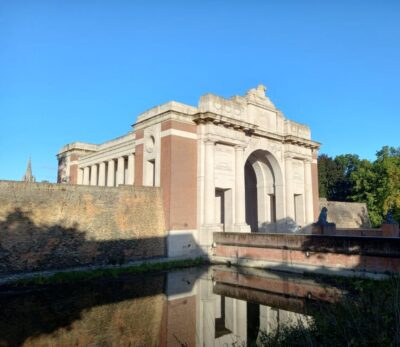
In Flanders Fields and Passchendaele Grand Tour
Read our review →Browse the lists this tour appears in