
Reviewed · FLANDERS FIELDS WWI TOURS
In Flanders Fields and Passchendaele Grand Tour
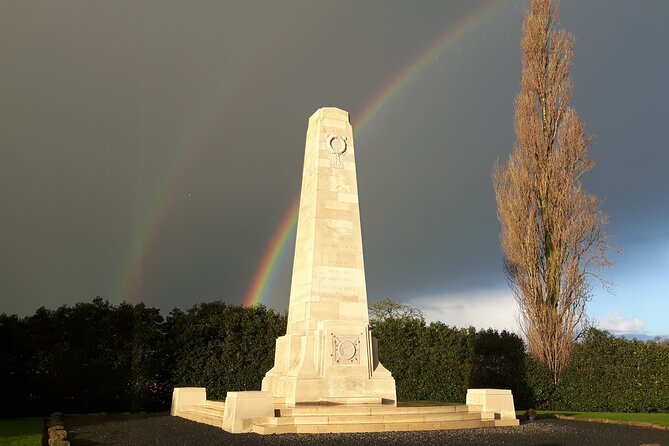
The most moving part of this Ypres battlefield tour is the way it connects famous names with physical places. You see the bunkers, trenches, mine craters, and cemeteries where the fighting happened, rather than treating World War I as a list of dates. Tyne Cot Cemetery and the preserved dressing station at Essex Farm give the day its strongest emotional weight.
I like the eight-person limit, which gives you room to ask questions without turning the day into a bus tour. I also like the range of stops: German, British, and Commonwealth sites appear together, and the tour reaches both the Passchendaele area and the Messines Ridge battlefields. The one thing to check before booking is the museum admission wording, since the supplied details say Sanctuary Wood admission is both included and not included.
In This Review
- Key points
- Why this Ypres battlefield tour matters
- Starting at 10:00 from central Ypres
- Sanctuary Wood and its preserved trenches
- Tyne Cot Cemetery and the scale of Passchendaele
- Langemark and the German side of the war
- Essex Farm, bunkers, and In Flanders Fields
- The German command post near Ypres
- The Caterpillar Crater and the war underground
- Hill 60 and the preserved battlefield
- Bayernwald and the German trenches
- Lunch, group size, and the pace of the day
- Who should book this experience
- Should you book the In Flanders Fields and Passchendaele Grand Tour?
- FAQ
- Where does the tour begin and end?
- How long does the tour last?
- How many people can join the tour?
- Is lunch included?
- Which admission fees are included?
- What places are visited?
- Can I cancel for a full refund?
Key points
- Roger leads a detailed, personal tour: His World War I expertise and ability to explain difficult subjects with care are central to the experience.
- Eight people maximum: The small group suits anyone who wants time for questions and discussion.
- The tour covers more than cemeteries: Expect trenches, bunkers, command posts, mine craters, and museums.
- Essex Farm connects place and poetry: See the dressing station bunkers linked to Lieutenant Colonel John McCrae and In Flanders Fields.
- Lunch is included: A light sandwich, soft drink, and bottled water are provided during the full-day outing.
- You visit both sides of the conflict: British and Commonwealth memorials are balanced with German sites at Langemark, the command post, and Bayernwald.
Why this Ypres battlefield tour matters
Ypres is not a battlefield you understand from one memorial or one museum. The Ypres Salient was a broad, hard-fought area, and the day works because it moves between different kinds of evidence.
At one stop, you are looking into a mine crater. At another, you are walking beside preserved German trenches. Then you are standing among thousands of Commonwealth graves. The changes in setting help explain how the war worked on the ground: artillery, mines, trenches, field hospitals, cemeteries, and command posts were all part of the same system.
Roger is the guide named for this experience. His background includes writing two books on the subject, and that matters here. The tour covers enough ground that you need someone who can keep the story clear instead of simply giving isolated facts. His approach, according to the information provided, combines detailed explanation with humor while treating the subject with proper care.
That balance is useful. A full day of battlefield history can become heavy, especially at the cemeteries. You want a guide who can answer hard questions without making the experience feel like a lecture.
More Flanders Fields WWI Tours in Ypres
- In Flanders Fields and Passchendaele Half Day Morning Tour
★ 5.0 · 117 reviews - From Brussels: Flanders Fields Remembrance Full-Day Trip
★ 4.4 · 65 reviews - From Ypres, The Christmas Truce to Passchendaele Ypres Based WW1 private tour
★ 5.0 · 29 reviews
Starting at 10:00 from central Ypres
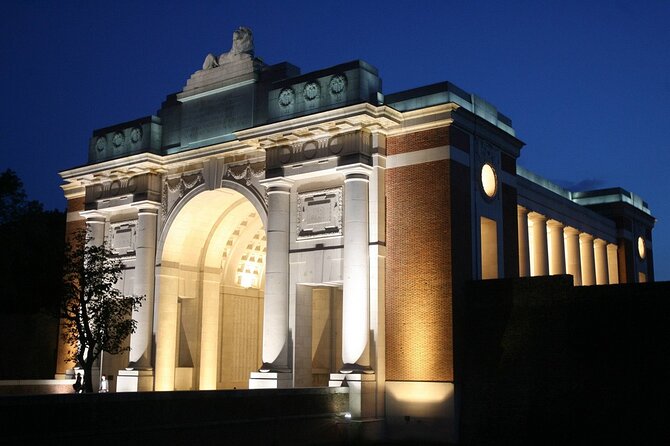
The tour begins at 10:00 am at Station Ieper, Colaertplein 35, in Ypres. It returns to the same meeting point after roughly seven to eight hours.
Starting at the station is practical if you are arriving by train or staying in Ypres. One important tip: allow plenty of time for your journey into town. One person on a previous outing had a late arrival after missing a train from Brussels, and Roger was able to help. Still, you should not rely on that kind of flexibility. A late start would affect a tightly packed day.
The tour uses shared transport and limits the group to eight people. That is a major advantage over a large coach. You spend much of the day moving between sites, so a small vehicle and a small group should make the transfers less tiring and the stops more responsive to questions.
The listed price is $344. That is a substantial day-tour cost, but it covers seven to eight hours, transport between widely scattered sites, a guide, bottled water, a light sandwich lunch, and a soft drink. Several major sites are free to enter. The value comes less from admission fees than from the amount of ground covered and the interpretation tying it all together.
Sanctuary Wood and its preserved trenches
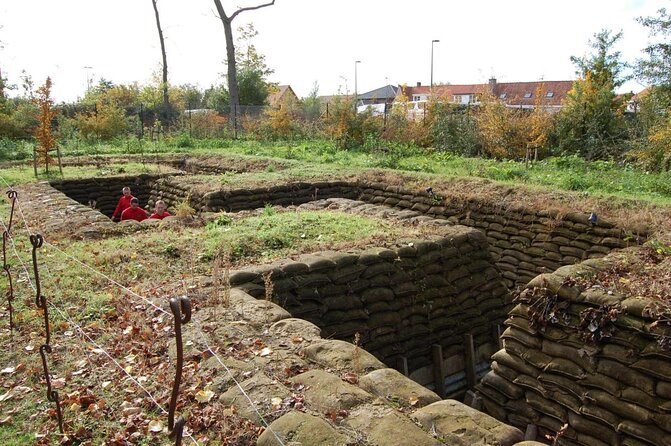
Sanctuary Wood Museum is the first major stop, with about 40 minutes set aside. It is described as having an extensive preserved British trench system and a large collection of artifacts.
This is the kind of stop that gives you an immediate sense of the physical conditions of trench warfare. Photographs and maps can explain a battle, but preserved trench lines show how narrow, exposed, and confined these positions were. The artifacts add a human scale, helping you think about the equipment and daily objects used by soldiers.
Forty minutes is enough for a focused visit, but not enough to examine every display at length. If museums are your main reason for visiting the Ypres area, you may want extra time elsewhere in your trip. On this tour, the museum works as an introduction before the day moves on to larger cemeteries and battlefield sites.
There is a small but important booking detail here. The tour information lists Sanctuary Wood admission as included in the highlights, while the stop description says admission is not included. Because the price is high enough for this to matter, I would confirm the current museum ticket arrangement before paying.
Tyne Cot Cemetery and the scale of Passchendaele
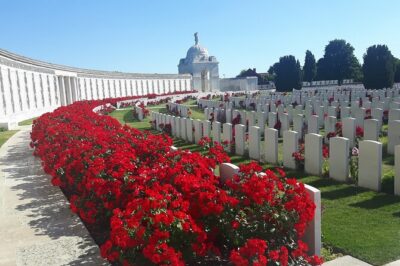
After driving through the Passchendaele battlefields, the tour reaches Tyne Cot Cemetery for about 20 minutes. Entry is free.
Tyne Cot is the largest British and Commonwealth war cemetery in the world. Its scale can be difficult to take in during a short visit. The orderly rows of graves and the surrounding memorial spaces make the human cost of the fighting plain, even before you hear the detailed story behind individual units or battles.
The short time here is a tradeoff. You will get an introduction and time to look around, but you are unlikely to absorb every inscription or memorial detail. I would treat this as a powerful stop within a wider day, not as a stand-alone cemetery visit.
The drive through the Passchendaele area is also important. Instead of arriving at the cemetery with no sense of location, you see the ground connected with one of the most notorious battles of the war. The tour gives you a physical link between the battlefield and the names recorded afterward.
Same old town, a completely different kind of day:
- From IEPER Private 4-hour Tour of the Ypres Battlefield
★ 5.0 · 154 reviews - Ypres: An exploration of the deadly salient battlefields
★ 5.0 · 76 reviews - From Ypres: WWI Battlefields Private Tour
★ 5.0 · 25 reviews - e-Scavenger hunt Ypres: Explore the city at your own pace
★ 4.5 · 6 reviews
Langemark and the German side of the war
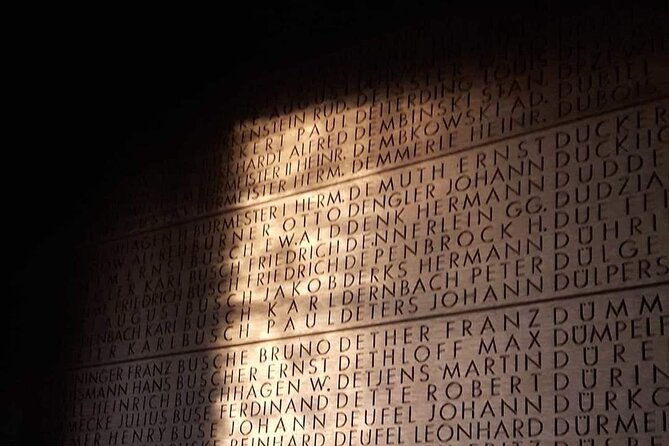
Langemark German Cemetery receives about 40 minutes. It includes a mass grave and has later links to Nazi use of First World War memory, making it a complicated and historically important place.
This stop broadens the day beyond an Allied-only account. You are not asked to view the war through one national story. The cemetery makes it possible to consider German losses, German remembrance, and the ways political movements later used wartime memory.
That subject needs careful handling, and this is where an experienced guide is valuable. A cemetery connected with later Nazi symbolism can be misunderstood if the background is reduced to a quick label. Roger’s role is to place the site in its proper historical setting and answer questions as they arise.
The 40-minute stop gives you more time than Tyne Cot, which is appropriate because the story is less familiar to many visitors. It is also one of the places where the tour’s broad approach pays off: you leave with a more balanced understanding of the Ypres Salient.
Essex Farm, bunkers, and In Flanders Fields
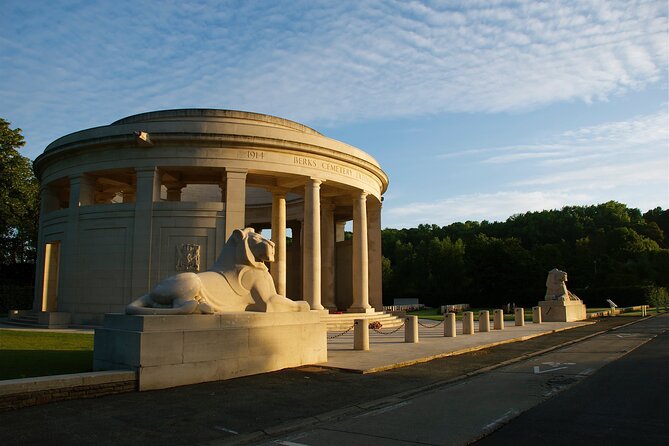
At Essex Farm Cemetery, you spend about 40 minutes seeing preserved dressing station bunkers and the memorial to Lieutenant Colonel John McCrae.
This is one of the most personal stops on the route. The dressing station bunkers connect battlefield medicine with the poem In Flanders Fields. McCrae wrote the poem after serving in this area, and the site gives context to words that are often encountered without a sense of place.
The bunkers also remind you that the front was not only trenches and artillery positions. Wounded men passed through aid stations before being moved farther from the fighting, and medical work took place close to danger. That makes Essex Farm a useful counterpoint to the large cemeteries.
I would expect this to be one of the most reflective parts of the day. The subject is serious, and the tour does not treat the poem as a simple literary curiosity. It connects the writing to the conditions that produced it.
The German command post near Ypres
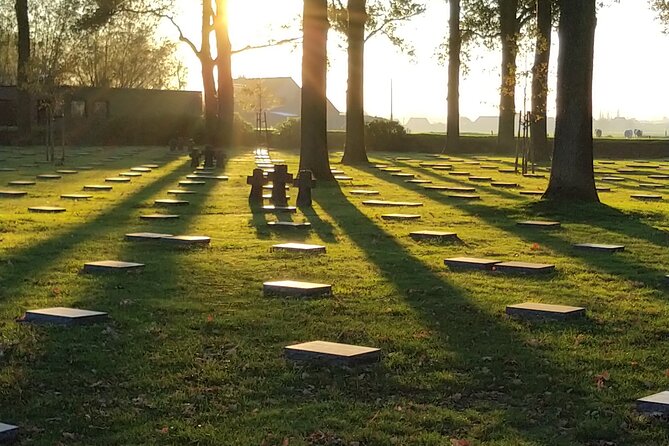
The German Command Post is a short 15-minute stop. It is described as the largest preserved German command bunker in the Ypres Salient.
The visit is brief, but the structure helps explain how the German army organized and directed its positions. A command bunker is different from a front-line trench. It shifts your attention toward planning, communication, and the systems behind the fighting.
Because the stop lasts only 15 minutes, you should not expect a long museum visit or an extended walk. Its value is in the setting and in the guide’s explanation. Roger can place the bunker within the wider network of positions you have already seen.
This is a good example of why the tour is more useful than a simple cemetery circuit. You are seeing the machinery of war from several angles, not only its final memorials.
The Caterpillar Crater and the war underground

The tour then reaches the Caterpillar Mine Crater at Hill 60 B for about 30 minutes. This stop explains the Battle of Messines Ridge and the underground war beneath the front.
Mine warfare is one of the most striking parts of the Ypres story. The crater shows the physical result of an explosion beneath the battlefield, while the guide’s explanation gives you the planning and danger behind it. The ground itself becomes part of the evidence.
This is likely to be a highlight for anyone interested in engineering, military planning, or the less familiar parts of World War I. The crater is also visually powerful, though the supplied information does not give specific details about its current access or walking conditions.
As with all outdoor battlefield stops, sensible shoes are a good idea. That is practical advice rather than a promise about terrain: the day includes several preserved outdoor positions, cemeteries, and battlefield sites, and you will be moving in and out of the vehicle.
Hill 60 and the preserved battlefield

Hill 60 receives about 30 minutes. You see preserved battlefield features, bunkers, and mine craters while learning about the severe fighting there.
This is another stop where the remains help make the history concrete. Bunkers and craters are not just background scenery. They show how bombardment and mining altered the ground and created dangerous positions that soldiers had to hold or attack.
The tour information and past comments place Hill 60 and the Caterpillar Crater among the strongest parts of the day. That makes sense. These sites give you a clearer picture of battle than a memorial alone can provide, while still allowing the guide to connect the physical remains to the wider campaign.
Half an hour is enough for an overview. If you want long walks across preserved battlefield ground, this itinerary may feel brisk. If you want to see several different sites in one day, the short visit keeps the route moving.
Bayernwald and the German trenches
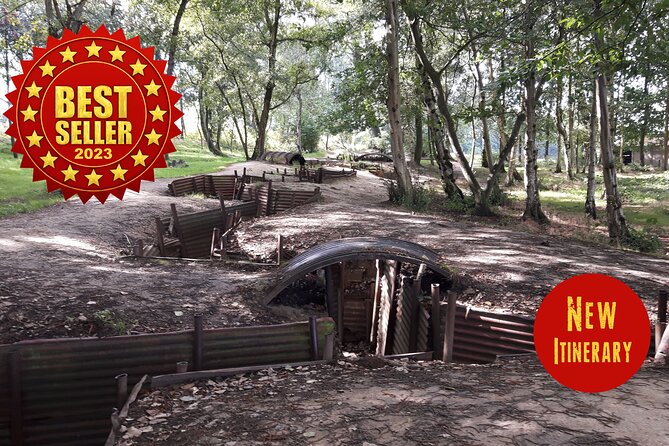
The final major stop is Bayernwald, with about 45 minutes. It is described as the only preserved German trench system in the Ypres Salient, and admission is included.
This is an especially useful contrast with Sanctuary Wood. Seeing preserved British trenches early in the day and German trenches later lets you compare positions rather than imagining the front as one uniform trench line.
Bayernwald also gives the day a strong finish. By this point, you have seen cemeteries, a medical station, a command bunker, and mine craters. The trenches bring those parts together. You can better understand how soldiers lived and fought in fixed positions while artillery and underground attacks shaped the area around them.
The 45-minute visit is the longest outdoor battlefield stop on the route. That gives you more room to take in the site without feeling rushed. It is still only one part of a long day, so the tour favors breadth and explanation over a slow, solitary exploration.
Lunch, group size, and the pace of the day
A light sandwich lunch and soft drink are included, along with bottled water. Alcoholic drinks are not included.
The lunch is a small but useful feature. You do not need to break away from the group to find food during a day filled with rural battlefield sites. Do not expect a restaurant meal. This is a practical midday provision that keeps the schedule on track.
The eight-person maximum is one of the strongest reasons to consider this tour. With a small group, you can ask Roger to clarify a battle, connect two sites, or explain a memorial without competing with a crowd. The intimate format also suits a subject that benefits from quiet attention.
The pace is active. The listed stops add up to several hours, and driving between them fills the rest of the seven to eight hour schedule. You will not have unlimited time at any single place. I would choose this tour if you want a carefully explained survey of the Ypres Salient in one day, not if you prefer to spend an entire afternoon at one museum.
Who should book this experience
I would recommend it most strongly if you:
- Want a full day focused on World War I history around Ypres
- Prefer a guide-led visit to researching battlefields alone
- Care about seeing German and Allied sites together
- Want preserved trenches, bunkers, and craters, not only monuments
- Are comfortable with a serious subject and a fairly full schedule
- Value a small group and the chance to ask questions
It is also a good choice if you are staying in Ypres and have only one day for the surrounding battlefields. The meeting point at the railway station makes the start straightforward, and returning there keeps the end of the day simple.
I would think twice if your main interest is a long museum visit, extensive independent walking, or a relaxed schedule. The tour visits many places, but each stop has a set time. The $344 price also deserves scrutiny if you do not plan to use the included lunch, transport, and guide service.
The cancellation terms are flexible up to 24 hours before the 10:00 am start, with a full refund available by then. Inside 24 hours, the amount paid is not refunded, and the tour requires a minimum number of participants. Service animals are allowed, and the activity is described as suitable for most people, but the supplied information does not give detailed mobility guidance for every outdoor site.
Should you book the In Flanders Fields and Passchendaele Grand Tour?
I would book this tour if I wanted the clearest one-day introduction to the Ypres Salient. Its best features are the small group, Roger’s subject expertise, the German and Allied balance, and the mix of cemeteries with trenches, bunkers, and mine craters.
The tour is not cheap, and the schedule is too tight for anyone seeking a slow visit. Still, the included transport, lunch, water, and full-day guidance make the price easier to assess, especially when the sites are spread across the region. Confirm the Sanctuary Wood admission policy before booking, then choose this experience if you want the battlefields explained as connected places rather than isolated sights.
FAQ
Where does the tour begin and end?
The tour begins at Station Ieper, Colaertplein 35, 8900 Ieper, Belgium, at 10:00 am. It ends back at the same meeting point.
How long does the tour last?
The experience lasts approximately seven to eight hours.
How many people can join the tour?
The maximum group size is eight people.
Is lunch included?
Yes. The price includes a light sandwich lunch, a soft drink, and bottled water. Alcoholic beverages are not included.
Which admission fees are included?
Bayernwald admission is listed as included, and the tour information also highlights Sanctuary Wood Museum admission as included. However, another part of the supplied details says Sanctuary Wood admission is not included, so you should confirm this point before booking.
What places are visited?
The route includes Sanctuary Wood Museum, Tyne Cot Cemetery, Langemark German Cemetery, Essex Farm Cemetery, the German Command Post, the Caterpillar Mine Crater at Hill 60 B, Hill 60, and Bayernwald.
Can I cancel for a full refund?
You can cancel at least 24 hours before the local start time for a full refund. Cancellations or changes made less than 24 hours before the start are not refunded or accepted.
Just added around Ypres
- From LIlle or Bruges, Christmas Truce to Passchendaele Ypres 1 day WW1 private★ 5.0 · 5 reviews
- e-Scavenger hunt Ypres: Explore the city at your own pace★ 4.5 · 6 reviews
- PRIVATE Australian Western Front Battlefields 3-Day Tour Ypres to Amiens★ 5.0 · 3 reviews
- Discover Tournai while playing! Escape game – The alchemist★ 4.0 · 3 reviews
- From Ypres 4hr Christmas Truce and Monster Mines of Messines PRIVATE Tour★ 5.0 · 5 reviews
- Full Day Canadian WW1 Vimy and Somme Battlefield Tour from Ypres★ 5.0 · 6 reviews
- From Ypres: WWI Battlefields Private Tour★ 5.0 · 25 reviews
- From Ypres, The Christmas Truce to Passchendaele Ypres Based WW1 private tour★ 5.0 · 29 reviews
Flanders Fields WWI Tours, compared.
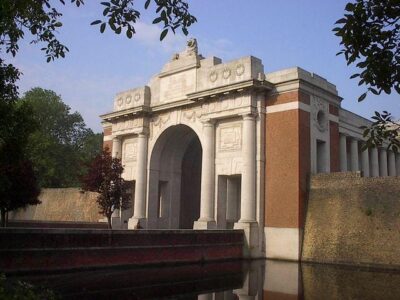
Great War Flanders Fields Minibus Tour w/ Lunch
Read our review →
Flanders Fields Remembrance Tour from Brussels
Read our review →
In Flanders Fields and Passchendaele Half Day Morning Tour
Read our review →
From Ypres, The Christmas Truce to Passchendaele Ypres Based WW1 private tour
Read our review →
Browse the lists this tour appears in