
Reviewed · WALKING TOURS
Ghent: Guided Walking Tour
Ghent’s medieval center unfolds quickly on foot, but the best part of this tour is the story linking its grand monuments. You’ll hear how Charles V, born in Ghent, became Holy Roman Emperor and King of Spain, and why his fellow citizens were later mocked as noose-bearers. The route also brings the Van Eyck brothers and their famous Adoration of the Mystic Lamb into focus.
I like the efficient two-hour route, which covers the Belfry, Saint Bavo’s Cathedral, Town Hall, Saint Nicholas’ Church, Graslei, the Old Fish Market, Patershol, and Gravensteen. I also like the practical advice at the end, especially tips on local restaurants, Belgian beer, museums, and sights worth returning to on your own.
The main caution is timing. One tour began about 20 minutes late because some day trippers needed a coffee stop, and another finished after about an hour. A thick accent was also hard for some older listeners to follow, so arriving early and confirming the start point matter.
In This Review
- Key points to know before booking
- Why Ghent makes a two-hour walking tour worthwhile
- Starting at Sint-Baafsplein with Ghent’s big story
- The Belfry and Saint Bavo’s Cathedral
- Town Hall and Saint Nicholas’ Church
- Graslei, the Old Fish Market, and medieval trade
- Patershol and the way to Gravensteen
- What the guides add to the experience
- Timing, pace, and possible snags
- Who will get the most from this Ghent walk
- Is the $17 Ghent tour worth booking?
- FAQ
- How long is the Ghent Guided Walking Tour?
- Where does the tour start?
- Where does the tour finish?
- Which languages are available?
- Is food included in the tour?
- Is museum or castle admission included?
- Can I visit the Belfry or Mystic Lamb during the tour?
- What should I bring?
- Can I cancel or pay later?
Key points to know before booking
- Ghent’s essential medieval sights in two hours: The route gives you a useful first look at the city’s main monuments without requiring a full day.
- A story-led walk: Charles V, the noose-bearers, and the Van Eyck brothers give the architecture a human angle.
- Spanish or English guide: Guides such as Bruno, Mark, Pablo, and Lucas have led tours, though the clarity of spoken English can vary.
- Helpful advice beyond the route: You can ask where to eat outside the most touristy areas, which Belgian beers to try, and which museums deserve your time.
- Outdoor sightseeing, not museum entry: The tour explains the cathedral, churches, castle, and landmarks, but food and admission tickets cost extra.
- Good value at $17: The price is modest for a guided introduction, especially if you are visiting Ghent on a day trip.
Why Ghent makes a two-hour walking tour worthwhile
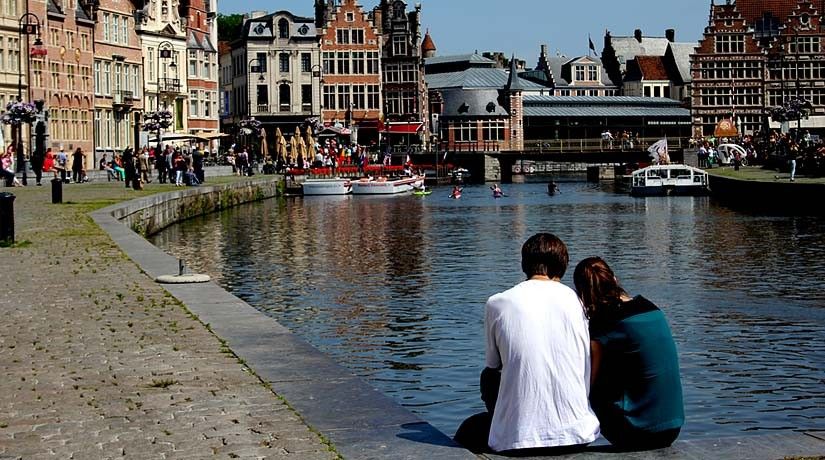
Ghent is compact enough to explore on foot, yet its center can feel like a dense collection of churches, guild buildings, canals, squares, and castle walls. A guide helps you connect the pieces instead of treating each monument as a separate photo stop.
This route is especially useful if you have only a few hours in town. It begins at Sint-Baafsplein and finishes at Gravensteen, taking you through the core of the old city. You will not see every museum or enter every building, but you will leave with a working map of central Ghent and a clearer idea of what deserves more time.
I see the tour as an orientation walk rather than a deep architectural visit. The 15-minute stops are enough for a short explanation and questions, but not enough to inspect every detail inside Saint Bavo’s Cathedral or explore the castle at length.
The price is $17 per person, which is fair for a live two-hour tour in a major historic city. It becomes especially good value if the guide helps you avoid a poor restaurant choice or points you toward the sights that fit your interests. Since food and museum entrances are not included, plan on extra spending if you want to visit the Mystic Lamb, enter Gravensteen, or stop for a meal and beer afterward.
A few more Ghent trips to weigh up
- Historical Walking Tour: Legends of Gent
★ 5.0 · 1,761 reviews - Ghent: Belgian Chocolate Walking Tour with Tastings
★ 4.9 · 259 reviews - Gastronomic Walking Tour of Gent – Tasters included
★ 5.0 · 199 reviews
Starting at Sint-Baafsplein with Ghent’s big story
The meeting point is at Sint-Baafsplein, though the exact starting location can vary with the option you book. Check the confirmation carefully, and arrive with enough time to find the guide. The tour ends at Gravensteen, so you finish in a useful part of the center rather than returning to the opening square.
The first subject is Charles V, one of Ghent’s most important former residents. Born here, he went on to rule as Holy Roman Emperor and King of Spain. His relationship with the city was not always warm, and the local nickname noose-bearers comes from a punishment imposed on Ghent’s citizens.
That bit of local memory is more useful than a long list of dates. It gives you a quick sense of Ghent as a proud, politically important city that did not always accept outside control quietly.
From Sint-Baafsplein, the route moves through a succession of major landmarks. Keep your shoes comfortable. The tour is entirely on foot, and the value comes from seeing how the monuments fit together in the city center.
The Belfry and Saint Bavo’s Cathedral
The Belfry of Ghent gets a guided explanation of about 15 minutes. Its tower is one of the city’s defining sights, and the stop gives you a chance to understand its civic role before moving on.
You should not expect a full tower visit during this walking tour. The route focuses on the outside and the story around the monument, so anyone wanting views from above will need to make a separate visit.
Saint Bavo’s Cathedral follows, with another short guided stop. The Gothic facade is impressive, but the key subject here is the Adoration of the Mystic Lamb, the celebrated painting by the Van Eyck brothers.
This is one of the tour’s most useful history moments because the artwork helps explain Ghent’s place in European art. The guide can tell you what to look for and why the painting matters, but entrance to museums or special viewing areas is not included.
If the Mystic Lamb is high on your list, use the walking tour to decide how much extra time you want to reserve. The guide provides context, while a separate visit gives you the chance to look at the work at your own pace.
Town Hall and Saint Nicholas’ Church
The route then reaches Ghent Town Hall, where Gothic and Renaissance sections share the same building. The contrast makes this a good stop for seeing how styles changed over time without leaving the city block.
A 15-minute explanation is enough to point out the unusual facade and explain its importance. It is not a formal interior tour, so your attention stays on the exterior details and the guide’s account.
Saint Nicholas’ Church is next. Its Gothic form adds another layer to the city’s central group of religious buildings. The nearby Masons’ Guild House is a smaller but distinctive detail, and it helps show how trade groups shaped Ghent’s streets.
I like this part of the route because it moves beyond the city’s most famous single attractions. You get the large church, then a more specific guild connection nearby. That pairing gives you a better feel for how religious, civic, and commercial life shared the same compact center.
The pace should be manageable for most people, but remember that each stop is brief. If you like to photograph every facade or read every sign, you may need to return later rather than trying to do it during the group walk.
Same old town, a completely different kind of day:
- Ghent: 50-Minute Medieval Center Guided Boat Trip
★ 4.5 · 5,637 reviews - Ghent: 40 Minute Medieval Center Guided Boat Tour
★ 4.4 · 884 reviews - Evening Tour of the Dark Side of Gent
★ 5.0 · 646 reviews - Ghent Bike Tour Off-the-beaten-track
★ 5.0 · 505 reviews
Graslei, the Old Fish Market, and medieval trade
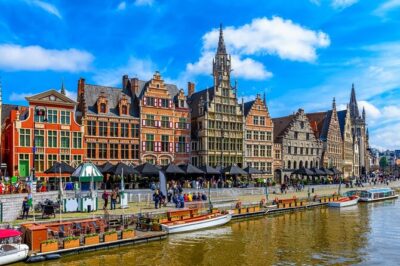
Graslei is one of Ghent’s most attractive waterfront areas, and the tour pauses here for about 15 minutes. The embankment brings together old commercial buildings and the waterway that helped make the city prosperous.
This is a good place to listen for the practical side of Ghent’s past. The buildings are not just decorative backdrops. They point to trade, storage, transport, and the wealth that supported the city’s churches and civic monuments.
The Old Fish Market adds another piece of that working-city story. The stop is short, but it places you in a part of town shaped by food and commerce rather than only by grand architecture.
The route also includes the open wooden truss roof of the Great Butchers’ Hall. That detail gives the walk a more physical sense of medieval life. You can picture the market as a place where goods were handled and sold, not simply admire it as an old building.
This section is valuable if you want more than a checklist of famous facades. It explains why the city grew where it did and how daily trade supported the historic center.
Patershol and the way to Gravensteen
Patershol offers a change of mood. Its narrow streets and older buildings make it one of the route’s more atmospheric sections, and the guide can help you read the neighborhood as part of Ghent’s layered past.
The tour does not promise a long neighborhood exploration. You will pass through and hear about the area, then continue toward the castle. That is enough to add variety to the walk, though you may want to return if you enjoy wandering slowly through side streets.
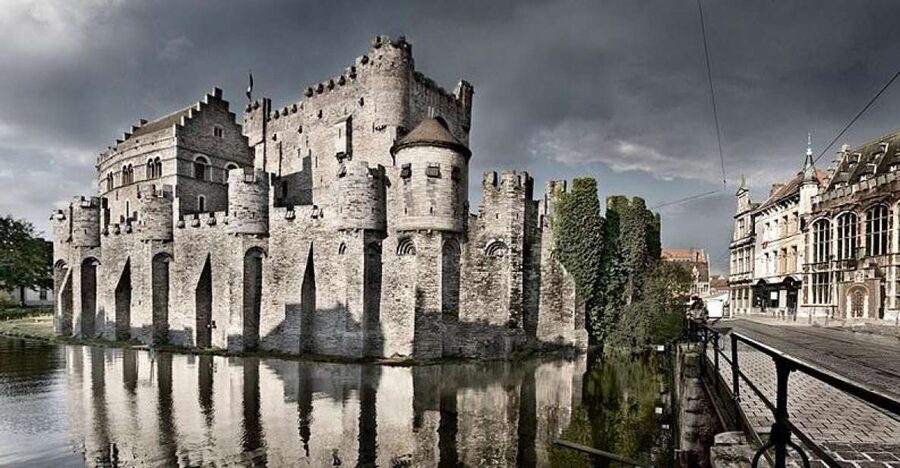
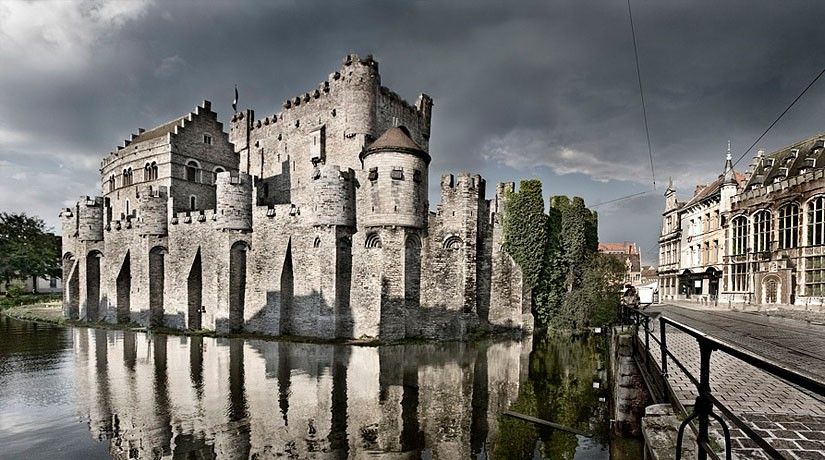
The final major stop is Gravensteen, also called the Castle of the Counts. Its battlements give the route a strong finish, especially after the churches, guild buildings, and waterfront views earlier in the walk.
The itinerary also mentions the 13th-century Castle of Gerald the Devil near the cathedral. It is another reminder that Ghent’s old center has more than one fortified or historic structure competing for your attention.
Gravensteen is where the activity ends. That is convenient if you plan to visit the castle afterward, but remember that admission is not included. Ask the guide about the castle, museums, or other monuments you might want to see next.
What the guides add to the experience
The strongest part of a walking tour is usually the person leading it, and the guide names connected with this experience include Bruno, Mark, Pablo, and Lucas. Bruno is described as friendly, humorous, and strong on local restaurant suggestions. Mark made the walk fun and interactive, while Pablo brought clear enthusiasm to the history.
Lucas was especially attentive to children in the group, which matters if you are visiting with a family. At the same time, his thick accent was difficult for some older people to understand. That is a useful reminder that spoken clarity can vary even when the guide knows the subject well.
You can ask questions as you walk. Use that opportunity. Ask about Belgian beer, the best places for lunch away from the most touristy streets, which museums fit your interests, and what you should prioritize if you have only one afternoon.
The local food and beer suggestions are not part of the ticket. The tour mentions typical Flemish food and the option of a Kwak beer at De Dulle Griet, the famous shoe pub. That stop is not included as a tasting, but it gives you a memorable idea for after the walk.
Timing, pace, and possible snags
The advertised duration is two hours, with starting times shown when you check availability. In practice, you should build in a little flexibility. One group waited around 20 minutes after the stated start because day trippers arriving from Brussels were given time to get coffee.
Another group finished after roughly an hour, despite the advertised two-hour duration. That may not happen on every departure, but it is worth knowing if you are planning a tight connection or a timed museum visit.
The route includes many stops of about 15 minutes each, so the pace is designed to cover ground. The guide made sure one group stayed together and did not leave people behind, but you should still wear comfortable shoes and expect continuous walking.
Pets are not allowed. Food, drinks, and museum admissions are also outside the tour price. Free cancellation is available up to 24 hours before the activity, and you can reserve now and pay later, which helps if your Belgium plans are still shifting.
Who will get the most from this Ghent walk
I would choose this tour if you are making a day trip to Ghent from Brussels or another Belgian city and want a clear introduction before exploring alone. The route covers enough ground to show you the city’s main shape, and the guide’s suggestions can help you use the remaining hours wisely.
It also suits first-time visitors who prefer stories to guidebooks. Charles V, the noose-bearers, and the Van Eyck brothers give the walk memorable anchors. You will hear about architecture, politics, art, trade, food, and beer in one compact outing.
Families can benefit from the short stops and the changing scenery, especially if the guide engages children as Lucas did. Older visitors should consider the guide’s accent and the possibility that spoken English may be harder to follow on some departures.
I would be less likely to book it if your main goal is detailed access to the Mystic Lamb, the Belfry, or Gravensteen. This experience explains those places from the outside or in brief, but it does not include museum entry or extended time inside.
Is the $17 Ghent tour worth booking?
At $17, this is a sensible introduction to central Ghent. The route includes the city’s headline sights, but its real value is the advice that helps you decide what to do next.
Book it if you want a quick orientation, enjoy history told in plain language, or need restaurant and beer suggestions. It is also a good fit for a short visit when you want to see the Belfry, Saint Bavo’s Cathedral, Graslei, Patershol, and Gravensteen without planning the route yourself.
Skip it if you need a guaranteed two-hour experience with museum entry or if your schedule cannot absorb a late start. Arrive prepared for a walking tour, keep your expectations focused on an overview, and treat the guide’s recommendations as a useful second part of the experience.
FAQ
How long is the Ghent Guided Walking Tour?
The advertised duration is two hours. Starting times depend on availability.
Where does the tour start?
The tour starts at Sint-Baafsplein, with the exact meeting point possibly varying according to the option booked.
Where does the tour finish?
The activity finishes at Gravensteen.
Which languages are available?
The live guide is available in English or Spanish.
Is food included in the tour?
No. Food is not included. The guide can recommend typical Flemish food and places to eat outside the most touristy areas.
Is museum or castle admission included?
No. Entrance to museums is not included, and the tour price does not include admission to attractions such as Gravensteen.
Can I visit the Belfry or Mystic Lamb during the tour?
The tour provides guided explanations of the Belfry and Saint Bavo’s Cathedral, including the Mystic Lamb. It does not state that entrance is included, so plan separate admission if you want an interior visit.
What should I bring?
Bring comfortable shoes because the experience is a walking tour.
Can I cancel or pay later?
You can cancel up to 24 hours in advance for a full refund. You can also reserve now and pay later.
Just added around Ghent
- Walking Food Tour in Ghent★ 5.0 · 13 reviews
- Historic Highlights, by a local guide★ 5.0 · 9 reviews
- Discover Ghent while playing! Escape game – The Walter case★ 4.5 · 4 reviews
- Discover Mons while playing! Escape game – The alchemist★ 4.0 · 5 reviews
- Ghent Walking Tour with Audioguide on Your Smartphone★ 4.5 · 13 reviews
- Discover Ghent with a self-guided Outside Escape city game tour!★ 4.0 · 10 reviews
- e-Scavenger hunt Ostend: Explore the city at your own pace★ 4.5 · 10 reviews
- e-Scavenger hunt Kortrijk: Explore the city at your own pace★ 4.5 · 15 reviews
Walking Tours, compared.
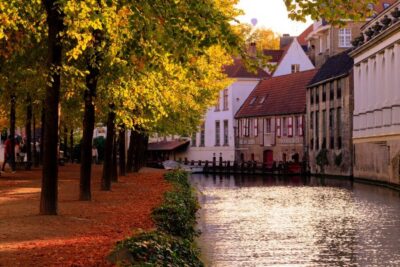
Walking Tour, Canal Boat Trip w/Beer Tasting Option
Read our review →


Historical Walking Tour with Chocolate & Waffle Tasting
Read our review →
Brussels Walking and Tasting Tour (Beers,Chocolates&Fries/Waffle)
Read our review →
Browse the lists this tour appears in