
Reviewed · DESSERT TOURS
Chocolate history workshop Ghent
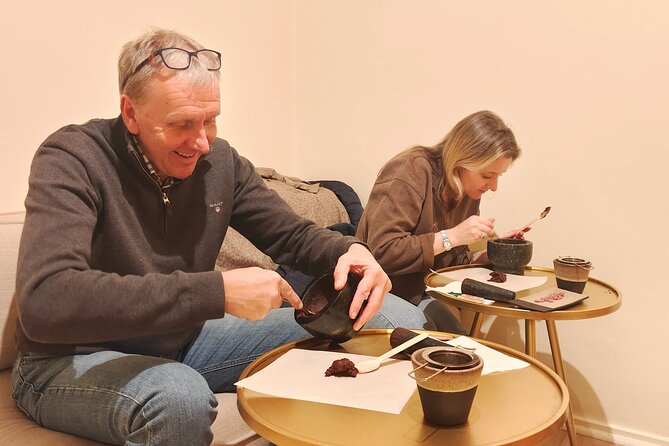
Belgian chocolate history becomes hands-on in this compact workshop. You taste cacao products, sample chocolates from several Belgian makers, learn how chocolate changed over time, and make your own bar from cacao beans. I like the small group setting and the chance to compare styles without walking from shop to shop. I also like the old-fashioned chocolate activities, including versions of 16th- and 17th-century treats.
The main drawback is the price: $82.90 per person is a serious spend for 90 minutes. The tasting room is kept at about 18°C for the chocolate, so bring a sweater if you get cold. Still, the mix of tasting, history, and making chocolate gives this more substance than a quick shop tasting.
In This Review
- Key points at a glance
- What makes this Ghent chocolate workshop different
- Arriving at Kraanlei 3 near Gravensteen Castle
- A small group keeps the workshop personal
- Following cacao from fruit to chocolate
- Making a chocolate bar from cacao beans
- Comparing Belgian makers in one room
- Early drinking chocolate and modern pralines
- Shopping after the tasting
- Is $82.90 a fair price?
- Who should book this experience?
- Booking, cancellation, and useful planning details
- Should you book the Ghent chocolate history workshop?
- FAQ
- How long does the chocolate history workshop last?
- Where does the experience begin and end?
- What time does the workshop start?
- Is the workshop offered in English?
- What is included in the price?
- How far in advance can I cancel for a full refund?
Key points at a glance
- Cacao from bean to bar: Make your own chocolate bar from cacao beans rather than only sampling finished sweets.
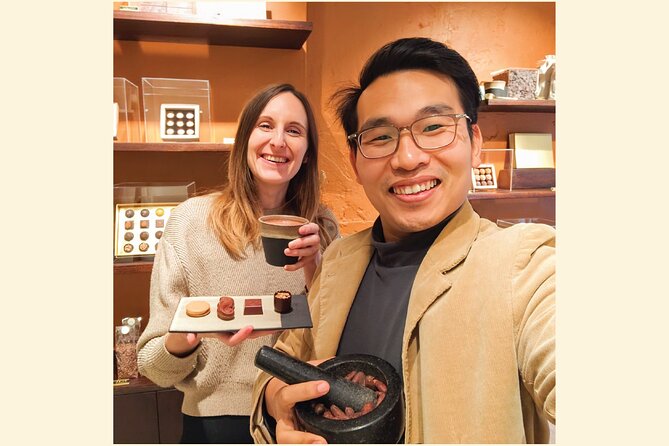
- Several chocolate makers: Compare Belgian artisanal chocolates in one tasting room instead of visiting many shops.
- A historical tasting menu: Try cacao fruit juice, cacao tea, early drinking chocolate, and modern pralines.
- A tiny group: The experience is described as intimate, with the current maximum listed as six people.
- Excellent Ghent location: Meet at Kraanlei 3, near Gravensteen Castle and about five minutes from Graslei and Korenlei.
- More than a museum visit: You learn through tasting and making, with time to shop for chocolate afterward.
What makes this Ghent chocolate workshop different
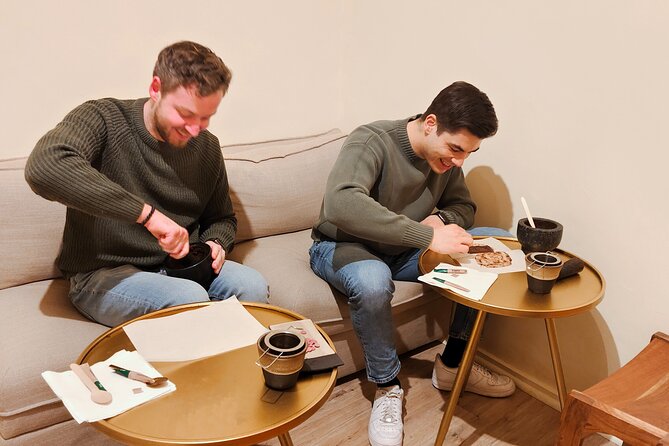
Many chocolate stops in Belgium ask you to admire polished displays and choose a box. This workshop gives you a more useful way to understand what is in those boxes. You move through a story of chocolate by tasting different cacao products and finished chocolates, then take part in the process yourself.
I like that the experience joins three activities in one sitting: a history lesson, a guided tasting, and a practical workshop. You are not simply handed a praline and told that it is good. You get a sense of how chocolate developed, how cacao can be used in different forms, and how Belgian makers take those ingredients in different directions.
The session lasts about 1 hour and 30 minutes. That is long enough to feel like a proper activity, but short enough to fit neatly into a day of sightseeing in Ghent. The start time is 11:00 a.m., which works well before an afternoon around the castle, canals, and central squares.
A few more Ghent trips to weigh up
- Ghent: Belgian Chocolate Walking Tour with Tastings
★ 4.9 · 259 reviews - Ghent: Famous Belgian Chocolate Walking Tour with Tastings
★ 5.0 · 131 reviews - A Taste of Ghent: Beer & Chocolate with storytelling by a local
★ 5.0 · 77 reviews
Arriving at Kraanlei 3 near Gravensteen Castle
The meeting point is Chocolade Ambassade, The Belgian Chocolate Experience, at Kraanlei 3, 9000 Gent. It is in the historic center, around the corner from Gravensteen Castle and roughly a five-minute walk from Graslei and Korenlei.
This location adds real value. You do not need to set aside half a day for transportation, and you can pair the workshop with Ghent’s main central sights. A good plan is to schedule the chocolate session between walks through the medieval center, rather than treating it as a distant attraction requiring its own travel time.
Transportation is not included, but the site is near public transportation. The activity begins and ends at the same place, so you can continue sightseeing right away or return to a nearby café or hotel.
Arrive ready for a tasting-room experience rather than a large museum tour. The room is kept at about 18°C to protect the chocolate. That is comfortable for the sweets but may feel cool if you tend to get cold, so a light sweater is sensible.
A small group keeps the workshop personal
The experience is designed for a small group. The description refers to groups of up to eight, while the additional details list a current maximum of six travelers. Either way, this is not a crowded demonstration with a guide trying to speak over a room full of people.
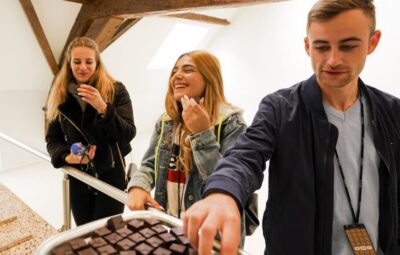
A small group matters here because the workshop includes tasting and making. You have more room to follow the steps, ask questions, and compare your reactions to the chocolate. The guide can explain the cacao products as you encounter them instead of giving one broad talk and moving on.
Leo is named as a friendly instructor who explains each stage of the chocolate-making process and the story behind it. The guide is licensed or certified and speaks English. The tone appears to be light and humorous while still informative, which suits a subject that can become overly technical if presented as a lecture.
The personal format is especially useful for couples, friends, and families with older children who enjoy food activities. If you prefer to wander through a museum at your own pace, this will feel more structured. If you like asking questions and taking part, the small room is an advantage.
Following cacao from fruit to chocolate
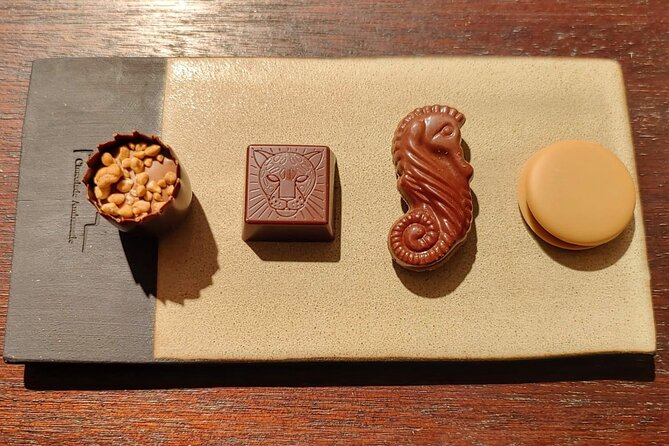
The most interesting part of the workshop is the way it starts with cacao products rather than jumping straight to Belgian pralines. You taste cacao fruit juice and cacao tea, then encounter the first drinking chocolate as part of the historical timeline.
These samples help you notice that chocolate is not one single flavor or product. Cacao can appear as a drink, a tea, a fruit-based taste, and a finished confection. That broader view gives the tasting a clear purpose. You are not simply eating several sweets in succession. You are comparing forms of cacao as the workshop moves through time.
The guide also explains the origins and development of Belgian chocolate. The session works well as an alternative to a chocolate museum, especially if you prefer learning through your senses. A museum can show you tools, pictures, and labels. Here, the historical material is connected to things you can taste and handle.
The historical section includes chocolate items associated with the 16th and 17th centuries. Recreating or making versions of these older preparations gives you a direct link to the past. It also makes the lesson more memorable than a list of dates and names.
Same old town, a completely different kind of day:
- Ghent: 50-Minute Medieval Center Guided Boat Trip
★ 4.5 · 5,637 reviews - Historical Walking Tour: Legends of Gent
★ 5.0 · 1,761 reviews - Ghent: 40 Minute Medieval Center Guided Boat Tour
★ 4.4 · 884 reviews - Evening Tour of the Dark Side of Gent
★ 5.0 · 646 reviews
Making a chocolate bar from cacao beans
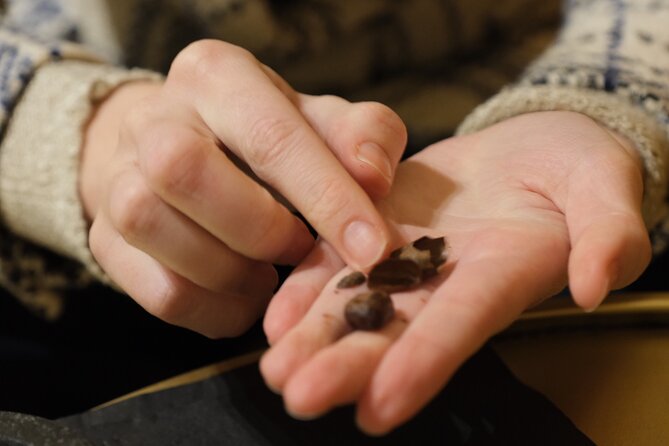
The hands-on portion is the heart of the activity. You make a chocolate bar crafted from cacao beans, which gives you a closer look at the starting point of the finished product.
That distinction matters. A standard chocolate tasting often begins with a wrapped bar or a decorated praline. This workshop takes you nearer to the raw ingredient. You can see how much work and transformation sits between cacao beans and the chocolate you buy in a shop.
The making process is guided step by step. You should not expect to leave as a professional chocolatier after 90 minutes, but you will have a personal result to take away and a better feel for how chocolate is made. The sense of accomplishment comes from doing part of the work yourself, not just selecting a truffle from a tray.
The activity is also a useful choice if you are looking for something beyond sightseeing photographs. Ghent has plenty of grand buildings and canals, but a food workshop gives you a souvenir connected to an actual skill and experience. Your chocolate bar may not look factory-perfect, and that is part of its appeal.
Comparing Belgian makers in one room
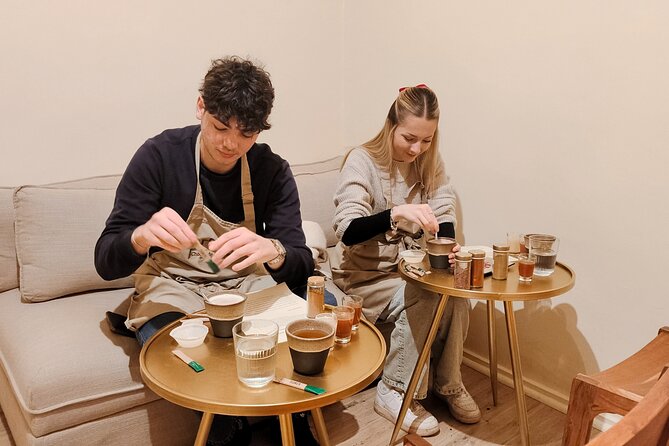
You taste artisanal chocolates from different makers based throughout Belgium. This is one of the strongest practical reasons to book the workshop.
Ghent has chocolate shops, and Belgium has many more beyond the city. Trying to compare makers on your own can take time, money, and several stops. You may also end up choosing based on packaging or location rather than flavor. Here, different chocolates arrive in one sitting, with a guide providing context as you taste.
The selection lets you ask a useful question: which style of Belgian chocolate suits you? You might prefer a classic praline, a stronger cacao taste, a smoother filling, or something less sweet. The point is not to declare one maker the winner. It is to notice differences and leave with a clearer idea of what you want to buy later.
A Swiss chocolate fan could appreciate this format in particular. The workshop makes the comparison between Belgian and Swiss traditions feel playful rather than competitive. It also includes a surprising historical point about milk chocolate, which adds another layer to the discussion. You may leave still undecided about which country makes the better chocolate, but with a sharper understanding of how to taste the difference.
Early drinking chocolate and modern pralines
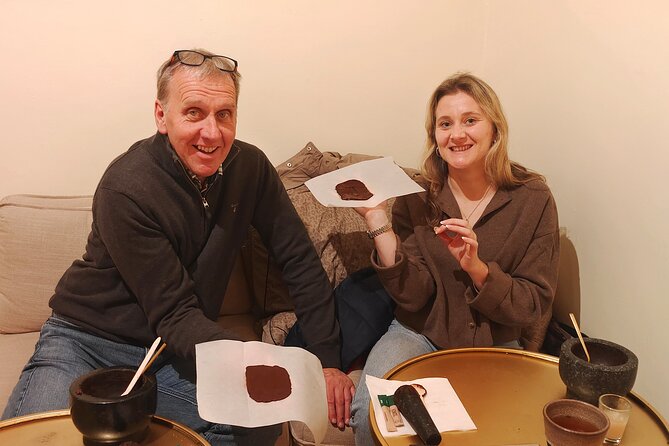
The tasting moves from older chocolate preparations to modern Belgian sweets. You sample an early form of drinking chocolate and later try contemporary pralines.
That contrast gives the workshop a useful rhythm. Older chocolate was not presented in the same way as the glossy filled pieces associated with Belgian shops today. By tasting both, you can follow the change from drink to confection and see how presentation, texture, and flavor have developed.
The modern pralines are an important part of the experience because they connect the history lesson with the chocolate you are likely to see in shops around Ghent. You can taste the end result after learning about earlier forms. This makes the shopping option afterward more informed: you can look for styles you already know you enjoy.
The hot chocolate is included, along with its recipe. That is a small but worthwhile extra. It means you can try to recreate part of the experience at home rather than treating the workshop as something that ends when you leave the room.
Shopping after the tasting
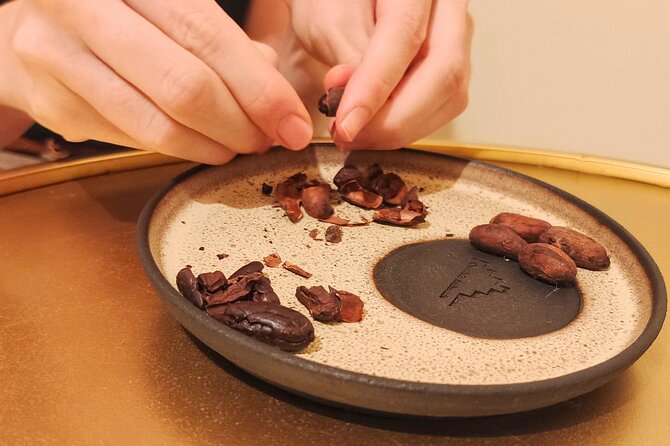
There is an opportunity to shop for chocolate after the workshop. This is optional, which is the right approach. You can buy something if a particular maker or style appeals to you, but you are not forced to turn the tasting into a sales stop.
The timing is convenient because the workshop ends where it begins, inside a chocolate shop. You can make notes about the chocolates you liked during the session, then browse with a better sense of what you want. That is more useful than buying a large assortment at the start and hoping you chose well.
If you are carrying chocolate through the rest of the day, remember that the room is cool for a reason. The provided information does not specify special transport packaging, so ask the shop about handling your purchase if you plan to spend hours walking around Ghent.
Is $82.90 a fair price?
At $82.90 per person, this is not a bargain tasting. The value depends on what you want from the activity.
If you only want a few chocolates and a hot drink, the cost will feel high. Ghent has shops where you can purchase chocolate without paying for a workshop. But this experience includes an English-speaking licensed guide, a guided history session, several cacao products, chocolates from multiple Belgian makers, a hands-on chocolate bar, hot chocolate, and the recipe.
I see the price as easier to justify if you value instruction and participation. You are paying for access to a small group, the guide’s explanation, the historical comparisons, and the chance to make something yourself. The central location also saves time and makes it easy to fit into a city visit.
The 90-minute length keeps the cost from becoming an all-day commitment. Still, budget-conscious visitors should compare it with their other Ghent plans. If your schedule already includes a museum, a food tour, and several paid attractions, this may be the extra treat rather than an essential stop.
The experience is booked about 22 days ahead on average. That suggests you should not leave it until the last morning if the 11:00 a.m. time and small capacity matter to your plans.
Who should book this experience?
I would recommend it most strongly to:
- Chocolate fans who want to compare Belgian makers instead of buying at random.
- Food-curious visitors who enjoy learning how an ingredient changes from raw form to finished product.
- Couples and small groups looking for a shared activity in central Ghent.
- Families with older children who will enjoy making a chocolate bar and tasting different products.
- Museum skeptics who prefer history presented through food and practical activity.
- Visitors with limited time who can spare 90 minutes but do not want a distant attraction.
It may not suit you if you dislike sweet foods, prefer a large museum with extensive displays, or want a long professional chocolate-making course. The workshop gives you an introduction and a guided experience, not a full culinary qualification.
You should also be comfortable with a tasting-room format and a set starting time. The group is small, but the activity is still planned and led from beginning to end.
Booking, cancellation, and useful planning details
Confirmation is provided when you book, and a mobile ticket is available. The activity is offered in English and requires no transportation as part of the package.
Free cancellation is available up to 24 hours before the 11:00 a.m. start time for a full refund. Changes or cancellations made less than 24 hours before the start are not accepted for a refund. If the minimum number of participants is not reached and the activity is canceled, you are offered another date or experience, or a full refund.
Service animals are allowed. Since the experience takes place in a chocolate shop and the room is cool, dress for comfort rather than warm outdoor weather.
Should you book the Ghent chocolate history workshop?
Book it if you want more than a box of Belgian chocolates. The combination of cacao fruit juice, cacao tea, early drinking chocolate, modern pralines, several Belgian makers, and a handmade bar gives you plenty to taste and discuss in a short visit.
I would be more cautious if $82.90 feels high for a 90-minute food activity. You are paying for the guide, small group, and hands-on format, not just the chocolate itself. For many visitors, the central location and the chance to understand what they are buying afterward make the cost reasonable.
The best reason to choose this workshop is its balance. You learn, taste, make, and then have the option to shop, all near Ghent’s main historic sights. Bring a sweater, arrive ready to take part, and book ahead if you want the small-group 11:00 a.m. session.
FAQ
How long does the chocolate history workshop last?
The workshop lasts approximately 1 hour and 30 minutes.
Where does the experience begin and end?
It begins and ends at Chocolade Ambassade, The Belgian Chocolate Experience, Kraanlei 3, 9000 Gent, Belgium.
What time does the workshop start?
The stated start time is 11:00 a.m.
Is the workshop offered in English?
Yes. The experience includes an English-speaking licensed or certified guide.
What is included in the price?
The experience includes a chocolate bar made from cacao beans, Belgian artisanal chocolates from different makers, cacao products, hot chocolate with the recipe, and water.
How far in advance can I cancel for a full refund?
You can cancel at least 24 hours before the experience start time for a full refund. Cancellations made less than 24 hours before the start are not refunded.
More Historical Tours in Ghent
- Ghent: 40-Minute Historical Boat Tour of City Center
★ 4.3 · 430 reviews - Private Historical Tour: The Best of Ghent
★ 5.0 · 115 reviews - Bicycle tour in historic Ghent
★ 5.0 · 87 reviews - Small Group Ypres Remembrance Day Filled With War History
★ 5.0 · 31 reviews
Just added around Ghent
- Historic Highlights, by a local guide★ 5.0 · 9 reviews
- Walking Food Tour in Ghent★ 5.0 · 13 reviews
- Discover Mons while playing! Escape game – The alchemist★ 4.0 · 5 reviews
- Discover Ghent while playing! Escape game – The Walter case★ 4.5 · 4 reviews
- Ghent Walking Tour with Audioguide on Your Smartphone★ 4.5 · 13 reviews
- Discover Ghent with a self-guided Outside Escape city game tour!★ 4.0 · 10 reviews
- e-Scavenger hunt Ostend: Explore the city at your own pace★ 4.5 · 10 reviews
- e-Scavenger hunt Kortrijk: Explore the city at your own pace★ 4.5 · 15 reviews
Dessert Tours, compared.
Choco-Story Brussels: Chocolate Museum Entrance with Tasting
Read our review →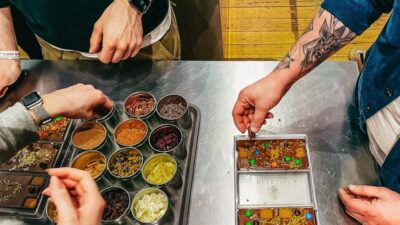
Belgian Chocolate Making Workshop with Tastings
Read our review →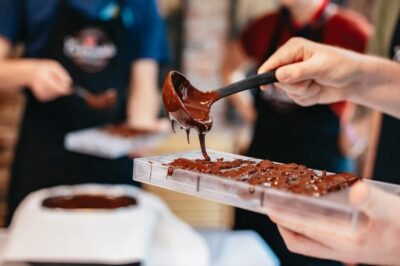
Choco-Story Chocolate Museum Guided Tour w/Tastings
Read our review →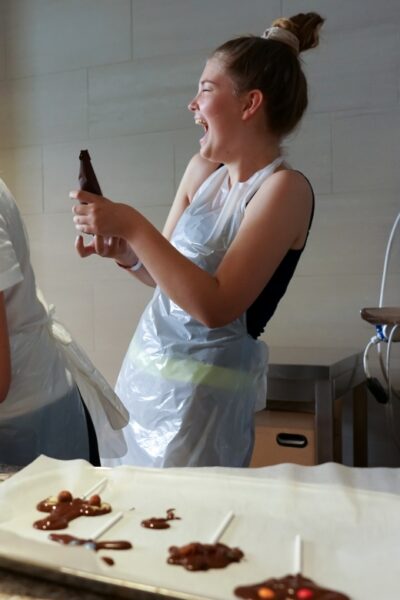
2.5-Hour Chocolate Museum Visit with Workshop
Read our review →
Historical Walking Tour with Chocolate & Waffle Tasting
Read our review →
Browse the lists this tour appears in